You punch your height and weight into a calculator, get a number, and then stare at it thinking, “That can’t be right.” I’ve had that exact moment more times than I can count, and so have dozens of people I’ve helped with their health goals over the years. Spending time in Denver gave me a front-row seat to how active people, from weekend hikers to serious gym-goers, get completely misled by basic BMI readings. The best BMI calculator with body fat estimate fixes that problem by adding the one layer of context that changes everything: what that weight is actually made of.
What Is BMI and Body Fat Estimate Combined
On their own, BMI and body fat percentage each tell a partial story. Together, they give you something close to the full picture. Let me explain both in plain terms before we go further.
Quick Refresher on BMI
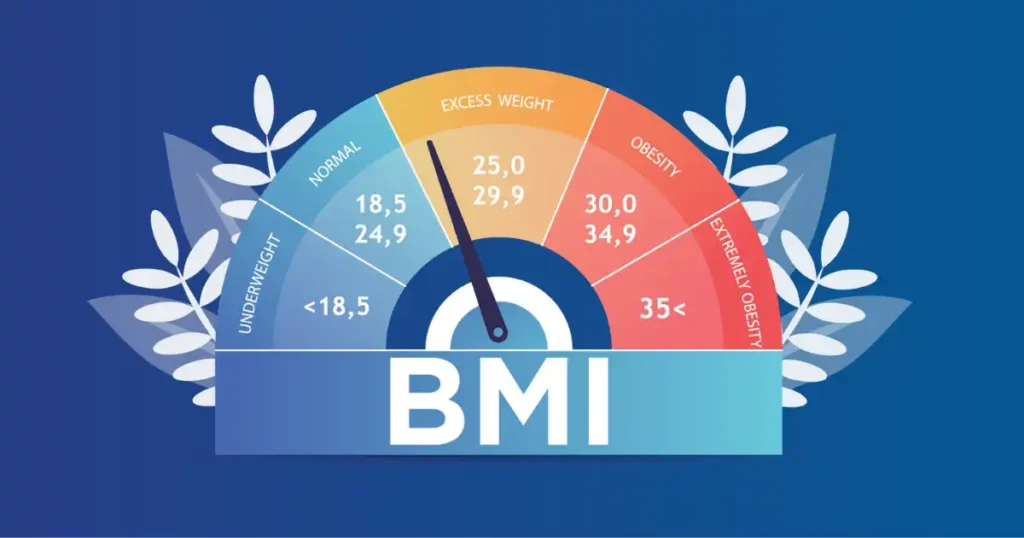
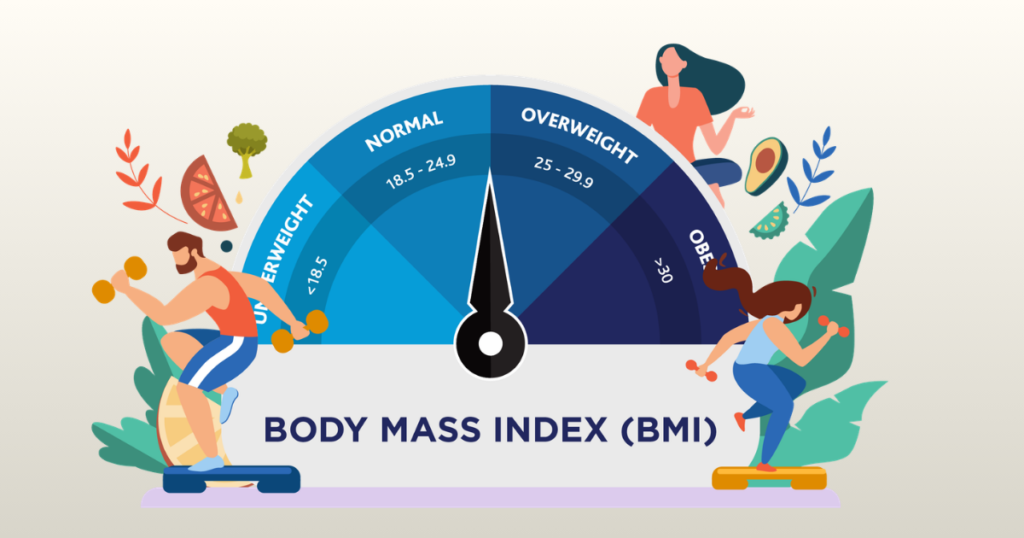
BMI stands for Body Mass Index. The formula is simple:
BMI = Weight (kg) divided by Height squared (m²)
If you use pounds and inches, the formula adjusts slightly but the concept stays the same. You’re comparing how much you weigh relative to how tall you are.
Doctors and public health agencies around the world use BMI because it’s quick, free, and requires no equipment. For screening large populations, it works well enough. It can flag people who may need closer medical attention.
But here’s the catch: BMI has no idea what your weight is made of. It does not know if you’re carrying muscle, fat, water, or bone. A 200-pound bodybuilder and a 200-pound sedentary office worker have the exact same BMI. Their health risks could not be more different.
That’s the core limitation. And it’s why combining BMI with a body fat estimate matters so much.
What Is Body Fat Percentage
Body fat percentage tells you exactly what BMI cannot: what fraction of your total body weight is fat.
Your body fat has two types. Essential fat is the fat your body absolutely needs to function. It supports hormone production, organ protection, and neurological health. For men, essential fat is roughly 2 to 5 percent. For women, it runs higher, around 10 to 13 percent, because of the demands of reproductive biology.
Storage fat is the additional fat your body holds as energy reserves. Some storage fat is healthy and normal. Too much, particularly the type stored deep around your organs (called visceral fat), raises your risk for heart disease, type 2 diabetes, and metabolic syndrome.
When you know your body fat percentage, you know whether your weight represents a lean, muscular physique or a high-fat composition that’s raising your health risk. That’s information BMI simply cannot provide.
Why Combining Both Matters
Here is the real-world case for using both metrics together.
A 35-year-old woman weighs 160 pounds and stands 5 feet 5 inches tall. Her BMI comes out to 26.6, placing her in the “overweight” category. On paper, she looks like she needs to lose weight.
But her body fat percentage? It’s 23 percent. That’s solidly in the “fitness” range for women. She lifts weights three times a week. Her weight reads high because she’s built lean muscle over years of consistent training. BMI called her overweight. Body fat told the truth.
Now flip that scenario. A different person has the same BMI of 26.6. But her body fat is 34 percent. She’s at the high end of the obese category for women by body composition. Her BMI and body fat are telling the exact same story: she carries excess fat and her health risks are real.
Same BMI. Completely different health realities. This is why using the best BMI calculator with body fat estimate is worth your time.
Key Features of the Best BMI Calculator With Body Fat Estimate
Not every calculator is equal. Some are genuinely useful. Others were built to collect your email address and give you a vague number in return. Here’s what to look for.
Must-Have Features
Body fat percentage estimation using the Navy Method: The U.S. Navy body fat formula is one of the most widely used and validated methods for estimating body fat without equipment. It uses your waist, neck, and hip measurements (for women) along with height to calculate an estimated body fat percentage. It’s not as accurate as a DEXA scan, but it’s reliable, free, and accessible to anyone with a measuring tape.
Any calculator worth using should include this formula or a similarly validated approach.
Waist, neck, and hip measurement inputs: A calculator that only asks for your weight and height is giving you BMI, not body fat. The best tools ask for these additional measurements because they reflect how your fat is distributed, not just how much you weigh overall.
Gender-based calculations: Men and women have different healthy body fat ranges. A quality calculator uses separate formulas and reference ranges based on your biological sex. This is not optional for accurate results.
Instant visual feedback: A chart or color-coded range showing where you fall is far more useful than a lone percentage. Seeing “you’re in the fitness range” or “this puts you in the obese category” next to a visual scale makes the result meaningful at a glance.
Advanced Features Worth Having
Basal Metabolic Rate integration: Your BMR is the number of calories your body burns at complete rest. It’s closely connected to your lean body mass. Tools that calculate both your body fat and your BMR in one pass give you a more complete metabolic picture, which is especially useful if you’re managing weight or planning a calorie deficit.
Lean body mass breakdown: Lean body mass is everything in your body that is not fat: muscle, bone, water, and organs. Knowing this number helps athletes track muscle gain separately from fat loss. It’s a more precise way to measure progress than scale weight alone.
Fitness recommendations based on results: The best tools don’t just give you numbers. They tell you what those numbers suggest you do next. Whether that’s increasing protein intake, adding strength training, or speaking with a healthcare provider, actionable guidance turns a calculator into a real health tool.
Mobile and wearable syncing: If you’re using a smart scale that measures body composition, you want an app that stores and displays those trends over time. Integration with Apple Health, Google Fit, or Fitbit makes tracking automatic and consistent.
Best BMI Calculators With Body Fat Estimate
Let me walk through the actual tools I’ve found reliable, including where they shine and where they fall short.
Trusted Health Organization Tools
CDC BMI Calculator: The Centers for Disease Control and Prevention offers the most trusted free BMI tool online. It’s clean, evidence-based, and backed by clinical guidelines. For adults, it gives your BMI and a health category. For children and teens, it includes age and sex-specific growth percentiles.
The limitation: it’s a BMI-only tool. It does not estimate body fat percentage. But it’s an excellent starting point, especially if you’re new to health tracking and want a credible baseline before adding more detail.
U.S. Navy Body Fat Calculator Method: The Navy formula is where body fat estimation gets practical and accessible. Developed for military fitness assessments, it uses tape measure inputs rather than expensive equipment. Studies have validated its accuracy to within 3 to 4 percent of DEXA scan results when measurements are taken correctly.
Multiple free online tools implement the Navy formula. Look for ones that clearly label it as the “Navy method” or cite the U.S. Department of Defense standards.
These tools are reliable and transparent. The trade-off is that they don’t offer personalization, trend tracking, or recommendations. They give you a number and leave the rest to you.
Popular Online Fitness Calculators
Several well-known fitness websites combine BMI and Navy body fat estimation into a single calculator. Tools on sites like ExRx, CalculatorSoup, and similar platforms let you enter all your measurements in one place and get both outputs immediately.
What I like about these: they’re fast, no sign-up required, and most explain their methodology so you can understand what the numbers mean.
The honest trade-off: they don’t save your data. You can’t track progress over time unless you record results manually. And the interface is often bare-bones. If you want trend tracking, you’ll need an app.
Smart Fitness Apps and Tools
MyFitnessPal: One of the most widely used nutrition and fitness tracking apps in the United States. When connected to a compatible smart scale, it logs your body fat percentage alongside your weight and BMI. The trend charts over weeks and months are genuinely useful. You can see how your composition changes as your habits shift.
Withings Health Mate: If you invest in a Withings smart scale (like the Body+ or Body Scan models), the Health Mate app gives you body fat percentage, muscle mass, bone density, and visceral fat readings after every weigh-in. The data is clean, visual, and syncs with Apple Health. It’s one of the more satisfying tracking setups I’ve used personally.
Fitbit App: Fitbit devices paired with Aria smart scales provide BMI, body fat percentage, and lean mass readings with each weigh-in. The app integrates activity data, sleep, and heart rate alongside body composition, giving you a broader health picture in one place.
One honest note on all smart scale apps: bioelectrical impedance (the technology most consumer smart scales use) is affected by hydration. If you weigh yourself after a workout, dehydrated, or right after eating, readings will vary. For consistent results, always weigh in first thing in the morning, before eating or drinking.
BMI vs Body Fat Percentage (Detailed Comparison Table)
This is where most confusion disappears. Seeing the two metrics side by side makes it clear why you want both.
I remember a particular afternoon at a gym in Denver where I got a body composition scan done. My BMI at the time said “overweight.” My body fat came back at 17 percent, which is solidly in the fitness range for men. That gap between what BMI was telling me and what my body fat was confirming was exactly the kind of disconnect that changes how you think about these numbers.
Comparison Table
| Metric | What It Measures | Accuracy Level | Best Use Case |
|---|---|---|---|
| BMI | Weight relative to height | Medium (population screening) | Quick general screening |
| Body Fat Percentage | Fat composition of total body weight | High (especially with DEXA) | Fitness goals and health tracking |
| Lean Body Mass | Muscle, bone, organs, and water | High | Athletes and strength trainers |
| Waist-to-Height Ratio | Central fat distribution | High | Cardiovascular risk assessment |
| Waist Circumference | Abdominal fat accumulation | High | Metabolic syndrome screening |
Each of these metrics serves a different purpose. BMI is the door. Body fat percentage is the room you actually need to be in. Waist measurements tell you where the most dangerous fat is sitting.
Body Fat Percentage Ranges by Gender
Numbers are only useful when you have a reference point. This table reflects the standards used across clinical and fitness settings in the United States.
Body Fat Categories by Gender
| Category | Men (%) | Women (%) |
|---|---|---|
| Essential Fat | 2 to 5% | 10 to 13% |
| Athletes | 6 to 13% | 14 to 20% |
| Fitness | 14 to 17% | 21 to 24% |
| Average | 18 to 24% | 25 to 31% |
| Obese | 25% and above | 32% and above |
A few important notes about this table:
Women naturally and healthily carry more body fat than men. This is not a health flaw. Estrogen promotes fat storage in the hips, thighs, and chest for biological reasons related to hormonal function and reproduction. A woman at 25 percent body fat is in a healthy average range. A man at 25 percent is in the obese category. Same percentage, completely different clinical context.
Athletes often have measurements in the “athlete” range year-round, but many recreational exercisers fluctuate between athlete and fitness categories depending on their training cycle. That’s perfectly normal.
If you’re over 50, slightly higher body fat percentages may be acceptable and expected due to natural muscle loss over time. Discuss your specific targets with your doctor rather than relying solely on these general ranges.
How to Use a BMI Calculator With Body Fat Estimate
The inputs are simple. But small measurement errors can throw your results off significantly. Here’s how to do it right.
Step-by-Step Instructions
Step 1: Measure your weight. Use a scale on a hard, flat surface. Weigh yourself first thing in the morning, after using the restroom, and before eating or drinking. This is your most consistent, comparable baseline. Body weight can fluctuate by 3 to 5 pounds throughout the day.
Step 2: Measure your height. Stand against a wall without shoes. Place a flat object on top of your head and mark the wall. Measure from the floor to that mark. Don’t round up to make yourself feel taller. An accurate height is critical because BMI scales with height squared.
Step 3: Measure your waist. Wrap a flexible measuring tape around your natural waist, roughly one inch above your belly button. Do not suck in. Stand relaxed, breathe out naturally, and take the measurement at the end of your exhale. This is where most people make errors, either measuring too low (at the hips) or pulling the tape too tight.
Step 4: Measure your neck. For the Navy formula, neck circumference is required. Measure just below your Adam’s apple, keeping the tape snug but not tight.
Step 5: Measure your hips (women only). The Navy formula for women includes hip circumference. Measure at the widest point of your hips and buttocks, keeping the tape parallel to the floor.
Step 6: Enter your details and review the result. Use a calculator that clearly identifies which formula it’s using. Read the result in context. A body fat percentage without a reference range is just a number. A good calculator tells you your category and what it means.
Pro Tips for Better Accuracy
Measure in the morning, before food and before exercise. Hydration, food volume, and post-workout inflammation all affect your readings.
Use a flexible cloth or soft plastic measuring tape, not a metal tape measure. Flexible tapes conform to your body’s shape and give you accurate circumference readings.
Always measure at the same spots each time. Small differences in tape placement can shift your body fat estimate by 1 to 2 percent. Consistency matters more than perfection in any single reading.
Take three measurements at each site and use the average. This reduces the impact of minor technique variations.
Real-Life Examples: Why This Combo Matters
Theory is one thing. Let me show you what this looks like in practice, using two scenarios I’ve seen play out with real people.
Case Study One
A 30-year-old man works in tech, mostly desk-based. He weighs 185 pounds and stands 5 feet 11 inches. His BMI calculates to 25.8, landing him just above “normal weight” and into the “overweight” category.
His waist measurement is 34 inches. His neck is 15.5 inches. Running these through the Navy body fat formula gives an estimated body fat percentage of 18 percent.
For a 30-year-old man, 18 percent falls solidly in the “fitness” category. He’s lean. His BMI overestimated his health risk because he carries some muscle mass from occasional gym sessions.
Conclusion: BMI labeled him overweight. Body fat said he’s fit. Without the second metric, he might have started an unnecessary diet.
Case Study Two
A different person. Same BMI of 25.8, same height and weight. But this person is sedentary, doesn’t exercise, and carries most of their weight around the midsection.
Waist: 39 inches. Neck: 15 inches. The Navy formula estimates body fat at 30 percent.
For a man, 30 percent body fat places him in the obese category by body composition. His high waist measurement also flags elevated visceral fat, the dangerous type stored around internal organs. His heart disease and diabetes risk are genuinely elevated.
Same BMI. Completely different story. This is exactly the case that gets missed when someone relies on BMI alone.
Expert Advice on Using BMI and Body Fat Together
Good health tracking is not about picking one metric and ignoring the rest. The most trusted voices in exercise science and clinical medicine consistently say the same thing: use multiple tools and track trends over time.
USA Expert Insight
“BMI is a good starting point, but body composition tells the real story,” says Dr. Spencer Nadolsky, a board-certified physician specializing in obesity and lipidology. His clinical work emphasizes that two people with identical BMI scores can have vastly different metabolic health profiles based on their fat-to-muscle ratio.
What this means in practice:
Use BMI as your entry point. It’s fast and free. It gives you a general category.
Then add body fat percentage to understand what’s actually behind that number. This tells you whether your weight represents lean tissue or excess fat.
Track both metrics over time. A single reading tells you where you are. Monthly or quarterly readings tell you which direction you’re moving. Direction is what matters for long-term health.
Bring your numbers to your healthcare provider. Self-tracking is useful, but a doctor or registered dietitian can interpret your results in the context of your full medical history, blood work, and lifestyle.
Practical Takeaway
Think of BMI as your smoke detector. It alerts you that something may need attention. Think of body fat percentage as the fire inspector. It tells you what’s actually happening and how serious it is.
Neither one replaces the other. Used together, they give you a level of clarity that either metric alone simply cannot provide.
Common Mistakes When Using These Calculators
A few small errors are very common. Knowing them in advance saves you from getting results that don’t mean anything.
Input Errors
Incorrect waist measurement: This is the most common mistake. People measure at their hip bones instead of their natural waist, or they suck in their stomach, or they pull the tape too tight. All of these underestimate your waist circumference and artificially lower your estimated body fat percentage.
The fix is simple: measure at the right place, stay relaxed, and be honest with yourself about the number. No one is judging the result. An accurate measurement helps you; a flattering one does not.
Rounding height or weight: Rounding your height up by an inch or your weight down by a few pounds seems harmless. But BMI uses height squared, so small errors in height have a larger effect on your final number than you’d expect. Use precise measurements every time.
Measuring at inconsistent times: If you weigh yourself in the morning for January’s reading and at night after dinner for February’s reading, you’re not comparing the same thing. Body weight varies by 3 to 5 pounds throughout the day. Always measure at the same time under the same conditions.
Misinterpretation Mistakes
Comparing your results with a friend’s: Your healthy body fat percentage is not their healthy body fat percentage. Age, sex, fitness history, genetics, and health conditions all affect what a healthy range looks like for you specifically. Comparison to others is one of the least useful things you can do with this data.
Treating a single reading as the final verdict: One measurement is a snapshot. It can be affected by hydration, recent exercise, time of day, and measurement technique. What matters is the trend across multiple readings over weeks and months. One high reading is not a crisis. A consistently rising trend over six months is worth addressing.
Ignoring muscle mass context: If you’ve recently added a significant strength training routine, your weight may increase even as your fat decreases. This can temporarily make your BMI look worse while your health is actually improving. Body fat percentage in this situation will tell the accurate story: fat down, muscle up, health improving.
Choosing the Right Calculator for Your Goals
The right tool depends on what you’re actually trying to accomplish. There is no one-size-fits-all answer here.
For Beginners
If you’re just starting to pay attention to your health, keep it simple. A basic BMI calculator paired with a free online Navy body fat calculator gives you everything you need to start. The CDC’s BMI tool establishes your baseline. A Navy formula calculator adds the body fat layer.
You don’t need an app. You don’t need a smart scale. Pen, paper, and a measuring tape is enough to get started.
Focus on understanding your numbers and what category you fall into. Build the habit of tracking monthly. Start there.
For Fitness Enthusiasts
If you’re already active and building muscle, standard BMI alone will likely misrepresent your progress. Your priority should be body fat percentage and lean body mass tracking.
Invest in a quality smart scale that uses bioelectrical impedance (Withings, Tanita, and Garmin make solid options). Use an app that stores and visualizes your trends. Pay attention to your lean body mass number, not just the scale weight.
Your BMI may barely budge as you gain muscle and lose fat. Your body fat percentage and lean mass will show the real transformation.
For Weight Loss Tracking
If weight loss is your goal, you want tools that show progress over time rather than single-point readings. Look for:
Apps with trend charts over 30, 60, and 90-day windows. Progress is rarely linear, and a longer view keeps you from overreacting to normal daily fluctuations.
Tools that track both weight and body fat percentage together. Losing weight while preserving or increasing lean mass is the goal. If you’re losing weight but your body fat percentage is staying the same, you may be losing muscle, which is not the goal.
Calorie tracking integration is useful here as well. Connecting your body composition data to your nutrition logging gives you a complete picture of input versus output.
When to Seek Professional Body Composition Testing
Online calculators and smart scales are great starting points. But there are situations where professional testing makes sense.
DEXA scan (Dual-Energy X-ray Absorptiometry): This is the clinical gold standard for body composition measurement. It measures fat mass, lean mass, and bone density with high precision. A single session typically costs between $50 and $150 at sports medicine clinics, university health centers, and some gyms. If you want the most accurate baseline before starting a major health or fitness program, this is worth the investment.
Hydrostatic weighing: This underwater weighing method is based on the principle that fat floats and muscle sinks. It’s highly accurate and used in research settings. Less commonly available than DEXA but can be found at university exercise science departments and some sports performance facilities.
Skinfold caliper testing: A trained professional uses calipers to measure fat thickness at specific body sites. When done correctly by an experienced clinician, skinfold testing is a reliable and affordable alternative. Accuracy varies significantly based on tester skill, so look for someone with formal training in this method.
These professional methods give you the most accurate possible baseline. If you’re managing a health condition, preparing for an athletic competition, or making major changes to your diet and exercise routine, the additional accuracy is worth having.
Semantic Context: Related Terms Worth Understanding
When you’re researching the best BMI calculator with body fat estimate, several related terms come up regularly. Understanding them helps you make sense of what different tools are actually measuring.
Visceral fat: Fat stored deep in the abdominal cavity around internal organs. This is the most metabolically dangerous type of fat. It drives inflammation, insulin resistance, and cardiovascular disease risk. Waist circumference is the most accessible proxy measure for visceral fat levels.
Subcutaneous fat: Fat stored directly under the skin. This is the fat you can pinch. It’s less metabolically dangerous than visceral fat, though excess amounts still carry health risks.
Metabolic syndrome: A cluster of conditions including high blood pressure, high blood sugar, excess abdominal fat, and abnormal cholesterol that together significantly raise cardiovascular and diabetes risk. BMI alone cannot diagnose or rule out metabolic syndrome.
Body recomposition: The process of simultaneously losing fat and gaining muscle. During recomposition, scale weight may stay the same or even increase while body fat percentage drops and lean mass increases. This is why tracking body composition is more meaningful than tracking weight alone during an active fitness program.
Sarcopenia: Age-related muscle loss that accelerates after age 50. People experiencing sarcopenia may have a normal BMI while carrying a dangerously high body fat percentage. This is one of the most important reasons why age-adjusted interpretation of BMI and body fat matters.
Final Thoughts on BMI Calculators With Body Fat Estimate
Checking your BMI without body fat context is like checking the temperature without looking outside. The number tells you something, but it doesn’t tell you whether to bring a coat.
When you use the best BMI calculator with body fat estimate, the picture finally comes into focus. You stop guessing whether your weight is a problem. You understand what it’s made of. And that understanding is where real health decisions begin.
Use both numbers. Track them over time. Notice the trends. And always bring your results to a conversation with your doctor rather than making major health decisions based on a calculator alone.
Health tracking should reduce anxiety, not create it. When your tools give you accurate, contextual information, that’s exactly what they do.
Final Recommendation
After years of working with health data, testing tools, and watching people make better and worse decisions based on incomplete numbers, here is my honest recommendation.
Start with the CDC’s free BMI calculator to establish your baseline. Then add a body fat estimate using a free Navy formula calculator online. These two tools together cost you nothing and take less than five minutes.
If you find yourself getting serious about fitness goals, invest in a quality smart scale. Withings and Tanita are my top recommendations based on consistency and app quality. Connect it to Apple Health or Google Fit for automatic trend tracking.
For anyone over 50, or anyone managing a chronic health condition like type 2 diabetes, high blood pressure, or heart disease: consider scheduling one DEXA scan to get a truly accurate body composition baseline. It’s a one-time cost that gives you far more precise information than any formula-based estimate.
Most importantly: measure consistently, track trends over months, and use your numbers to have informed conversations with your healthcare provider. A good doctor is your most valuable tool, and accurate body composition data makes those conversations far more productive.
The goal was never a perfect number. The goal is a healthier life. These tools help you see the path more clearly. The walking is still up to you.
Frequently Asked Questions
1. Why use the best bmi calculator with body fat estimate?
Standard BMI only checks weight and height. The best bmi calculator with body fat estimate shows how much fat you have. This gives you a better view of your health.
2. Is the best bmi calculator with body fat estimate precise?
It uses more of your body stats. This makes the best bmi calculator with body fat estimate much better than a basic scale. It helps you set a clear path for your body.
3. Does sex change the best bmi calculator with body fat estimate?
Men and women store fat in distinct ways. The best bmi calculator with body fat estimate uses this fact. It makes your results much more accurate for your life.
4. Can an athlete use the best bmi calculator with body fat estimate?
Athletes often have very high muscle. The best bmi calculator with body fat estimate is perfect for them. It shows they are fit even if their total weight is high.
5. How does the best bmi calculator with body fat estimate work?
It asks for your age and waist size. This data helps the best bmi calculator with body fat estimate find your true fat level. It is a quick way to learn your stats.
6. Are charts in the best bmi calculator with body fat estimate?
Many tools show clear graphs of your wins. The best bmi calculator with body fat estimate tracks your goals. It makes it very easy to see how you change over time.
7. How do I find the best bmi calculator with body fat estimate?
Look for one with high ratings and good reviews. Try the best bmi calculator with body fat estimate today. It is a smart way to track your fitness and stay healthy.

Shakitul Alam is the CEO, Owner, and Co-founder of BMI Calculator Women AI. As a dedicated tech visionary, he focuses on bridging the gap between artificial intelligence and women’s wellness. Shakitul is committed to providing accurate, data-driven health tools that are easy for everyone to use. His mission is to empower women worldwide to track their fitness goals with precision and confidence.