Tracking your weight loss can feel confusing, especially with so many tools out there. Living in Denver, Colorado, I have tried dozens of apps and websites to find the best BMI calculator for weight loss tracking. Some were great. Some were a total waste of time. After months of testing, I am ready to share everything I know so you can skip the guesswork and start seeing real results.
BMI, or body mass index, is one of the simplest tools for checking where you stand health-wise. It is not perfect, but it gives you a clear starting point. In this guide, I will walk you through the top tools, what to look for, how to use them the right way, and what experts say about tracking BMI for weight loss.
What Is a BMI Calculator and Why It Matters for Weight Loss
Before we dive into tools, let us talk basics. A BMI calculator gives you a number based on your height and weight. That number tells you if you are underweight, at a healthy weight, overweight, or obese. It sounds simple because it is. And that is exactly why people still use it.
When I first started tracking my health, I did not know where to begin. My doctor mentioned BMI. I typed my numbers into a free online tool, got a result, and suddenly had a goal to work toward. That moment changed how I approached weight loss.
Understanding BMI (Body Mass Index) in Simple Terms
BMI stands for body mass index. It compares your weight to your height using a simple math formula. The formula is your weight in kilograms divided by the square of your height in meters. If you use pounds and inches, most online calculators handle the conversion for you.
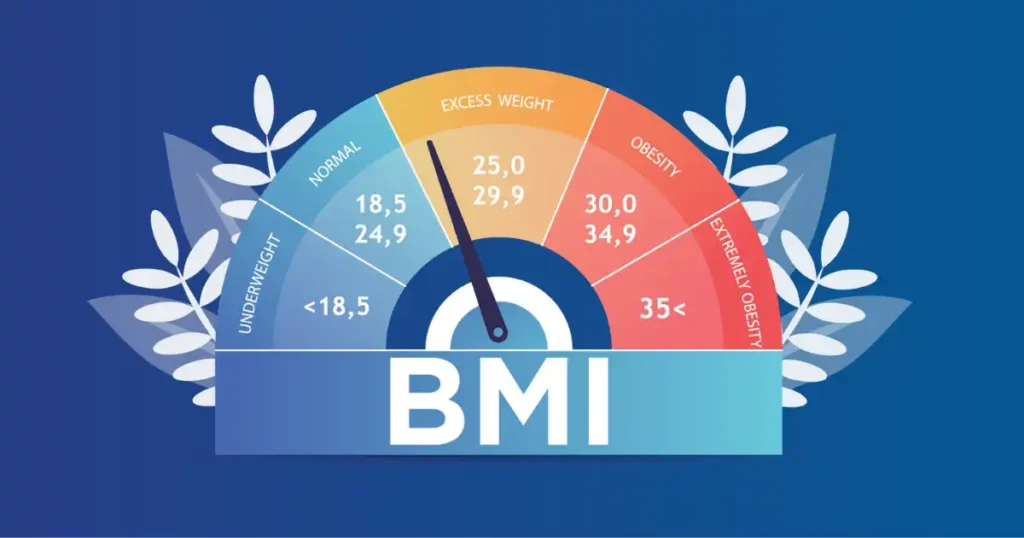
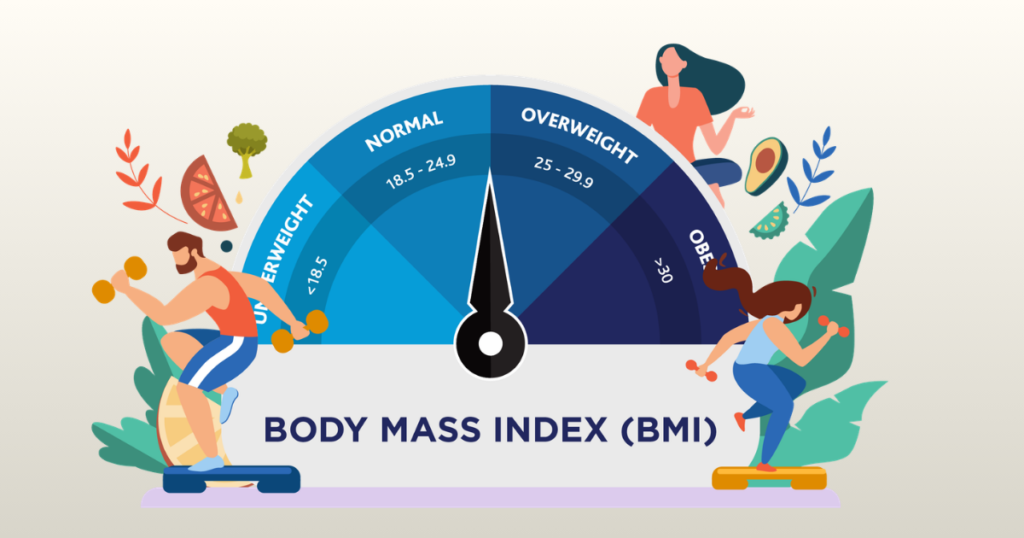
The result puts you into one of four categories: underweight, normal, overweight, or obese. These categories were developed by the World Health Organization and are also used by the CDC in the United States. Fitness apps love BMI because it is quick, free, and works without any fancy equipment.
It is worth knowing that BMI does not tell you how much of your weight is fat versus muscle. But for most people who are just getting started with weight loss, it is a solid first step.
How BMI Helps Track Weight Loss Progress
Here is the thing about weight loss: it can be slow. Progress is hard to see week to week. That is where BMI tracking helps. It gives you a number that changes over time. Watching that number move in the right direction, even by just a few points, feels motivating.
I used to weigh myself every day and get frustrated when the scale did not move. Once I shifted to tracking my BMI every two weeks, everything felt more manageable. The trend became clear. I was moving in the right direction even when daily numbers did not show it.
BMI also works well as a baseline. Your first BMI reading tells you where you are starting. Every future reading shows how far you have come. That kind of data is powerful for keeping you on track.
Limitations of BMI You Should Know
BMI is useful, but it is not perfect. The biggest issue is that it does not separate muscle from fat. If you lift weights regularly, BMI might actually call you overweight even if your body is lean and healthy. I have a friend who is a personal trainer, and his BMI puts him in the overweight category. He finds it pretty funny.
BMI also does not account for age, gender, or where your body stores fat. A 60-year-old and a 25-year-old with the same BMI can have very different health profiles. For older adults and athletes, BMI can be misleading. Keep that in mind as you use it.
The bottom line is this: BMI is a starting point, not a final verdict. Use it as one piece of the puzzle, not the whole picture.
Key Features to Look for in the Best BMI Calculator Tools
Not all BMI tools are created equal. I have used simple one-page calculators and full-featured apps with AI dashboards. Here is what I look for when choosing a good tool.
Accuracy and Updated Health Standards
A good BMI calculator should use current WHO and CDC standards. These organizations update their guidance regularly, and your tool should reflect that. Some older calculators still use outdated ranges.
Look for tools that let you enter your data in both metric and imperial units. Pounds and kilograms, inches and centimeters. This matters especially if you travel or use international health resources.
Weight Loss Tracking and Progress Charts
The best tools do not just spit out a number. They store your history and show you trends over time. Visual graphs are your best friend here. A chart showing your BMI dropping over three months tells a story that a single number never could.
Look for weekly and monthly comparison features. Some apps even let you set goals and show you how close you are to hitting your target BMI range. That kind of visual feedback keeps you motivated.
Integration With Fitness Apps and Wearables
If you already use a fitness tracker like a Fitbit, Apple Watch, or Garmin, your BMI tool should connect with it. When your step count and heart rate data sync with your BMI progress, you get a much fuller picture of your health.
Apps that connect to calorie trackers are also a big plus. Seeing your daily calorie intake alongside your BMI trend helps you understand which habits are actually moving the needle.
User-Friendly Design and Accessibility
This one matters more than people think. I have abandoned apps that were technically great but painful to use. Clean design, fast load times, and easy navigation make a huge difference in whether you will actually stick with a tool.
Mobile-first design is important if you want to track on the go. Desktop tools are fine for detailed analysis, but for daily check-ins, you want something that works perfectly on your phone.
Best BMI Calculator Tools for Weight Loss Tracking in 2026
Here is where things get practical. I have personally tested or researched these tools, and I am giving you my honest take on each one.
Top Free BMI Calculator Tools
The CDC BMI calculator is my go-to recommendation for beginners. It is free, simple, and backed by official health data. You enter your height and weight, and it gives you a clear result with context. No login, no signup, no ads in your face. Just a clean, accurate result.
The NIH BMI calculator is another solid free option. It includes helpful context about what your BMI score means and links to additional health resources. Great for people who want more than just a number.
For quick checks without any frills, just searching ‘BMI calculator’ in Google gives you a built-in tool right in the search results. It is surprisingly accurate and takes about 10 seconds to use.
Best Mobile Apps With BMI Tracking
MyFitnessPal is one of the most popular health apps in the United States, and for good reason. It combines calorie tracking with BMI monitoring in a clean, easy-to-use interface. You can log meals, track workouts, and watch your BMI trend over time. The free version covers most people’s needs.
Cronometer is a favorite among people who want detailed nutrition data alongside their BMI. It breaks down every nutrient in your food and tracks your body metrics. It is a bit more technical than MyFitnessPal, but if you love data, you will love Cronometer.
Healthify Me has grown a lot in recent years. It includes an AI-powered coach that gives you personalized weight loss advice based on your BMI and eating habits. I tested it for about six weeks and found the suggestions surprisingly helpful.
Advanced BMI Tools With Analytics
For people who want deep data, Garmin Connect is excellent if you already use a Garmin device. It tracks BMI alongside VO2 max, sleep data, stress scores, and more. The dashboard is detailed and genuinely useful for understanding long-term health trends.
Withings Health Mate is another advanced option, especially if you own a Withings smart scale. It automatically logs your weight and BMI every time you step on the scale, which removes the manual entry friction entirely. I love tools that remove friction.
For purely data-focused users, Cronometer’s paid tier gives you macro and micronutrient analysis paired with body composition tracking. If you enjoy digging into health data, this one is worth the cost.
Comparison Table of Top BMI Calculator Tools
Here is a side-by-side look at the top tools based on my experience and research. As someone who has tested multiple apps over the past two years, I notice that small UX differences make or break long-term consistency. A tool you enjoy using beats a perfect tool you abandon after a week.
| Tool Name | Platform | Key Feature | Best For | Price |
| MyFitnessPal | Web + App | BMI + calorie tracking | Daily habit builders | Free/Premium |
| Cronometer | Web + App | Detailed nutrition data | Data-driven users | Free/Gold |
| Healthify Me | App | AI coach + BMI sync | Active users | Freemium |
| CDC BMI Tool | Web | Simple, no login needed | Quick checks | Free |
| Garmin Connect | App + Wearable | BMI + fitness wearable sync | Athletes | Free with device |
How to Use a BMI Calculator for Effective Weight Loss Tracking
Calculating your BMI is step one. Using that data to actually improve your health is the whole point. Here is how I do it, and how I recommend you do it too.
Setting Your Baseline BMI
Your first BMI measurement is your baseline. Take it seriously. Measure yourself in the morning, before eating or drinking, after using the bathroom. Wear minimal clothing or none at all for the most accurate weight reading.
Write this number down somewhere you can refer back to. Your app will store it, but there is something powerful about seeing that first number in your own handwriting. It makes the goal real.
Do not get discouraged if your starting BMI is higher than you hoped. Every single person who has achieved a healthy weight started where you are right now. That first number is just the beginning of your story.
Tracking Changes Weekly vs Daily
Daily BMI tracking sounds like a good idea, but it can actually work against you. Your weight fluctuates throughout the day and from day to day based on water retention, sodium intake, sleep, and hormonal changes. Checking every single day can make you anxious about normal fluctuations.
Weekly tracking is much more reliable. Pick one day, pick one time, and stick with it. I do mine every Monday morning. It gives me a clear weekly snapshot without the noise of daily changes.
One rainy Thursday a few months ago, I skipped my check-in. Honestly, it threw off my whole week. I felt unmoored without that data point. That taught me how much structure matters in a tracking routine.
Combining BMI With Other Metrics
BMI alone is limited. Pairing it with other measurements gives you a much clearer health picture. Here are the ones I track alongside my BMI.
- Waist measurement: Measure at the narrowest point of your midsection. This shows fat distribution, which BMI misses.
- Body fat percentage: Use a body fat scale or handheld device for a rough estimate. Not perfectly accurate, but useful for trends.
- Progress photos: Take them every two to four weeks in the same lighting and pose. Visual change often outpaces what the numbers show.
- Energy levels: A simple 1 to 10 self-rating each morning. Higher energy often correlates with better metabolic health.
Combining these metrics gives you a well-rounded view of your progress. Numbers only tell part of the story.
BMI vs Other Weight Loss Tracking Methods
BMI is useful, but it is just one tool among many. Here is how it compares to other popular tracking methods, and when you should use each one.
| Method | What It Measures | Best For | Limitation |
| BMI | Weight vs height ratio | General population, beginners | Ignores muscle mass |
| Body Fat % | Actual fat tissue | Athletes, detailed tracking | Needs special equipment |
| Waist-to-Hip Ratio | Fat distribution | Heart and diabetes risk | Only one data point |
| Progress Photos | Visual body change | Motivation and reality check | Subjective |
BMI vs Body Fat Percentage
Body fat percentage is more accurate than BMI for understanding your health, but it is harder to measure. A BMI scale only needs your height and weight. Body fat percentage requires a special scale, calipers, or a DEXA scan.
For most people starting their weight loss journey, BMI is the better starting point because it is accessible. Once you have built a consistent tracking habit, adding body fat percentage measurement makes sense.
As a general rule: use BMI for regular monitoring and body fat percentage for deeper assessment every one to three months.
BMI vs Waist-to-Hip Ratio
Waist-to-hip ratio measures where you carry your fat, not just how much you have. This matters a lot for health risk. Carrying excess weight around your belly is linked to higher risks of heart disease, type 2 diabetes, and metabolic syndrome.
To calculate yours, divide your waist measurement by your hip measurement. For women, a ratio above 0.85 signals higher health risk. For men, the threshold is 0.90.
I recommend tracking both BMI and waist-to-hip ratio together. They complement each other well and together give a much clearer picture of your health than either one alone.
Should You Rely Only on BMI?
Short answer: no. BMI is a useful tool but a poor diagnosis. Relying solely on BMI misses important nuances like muscle mass, fat distribution, and individual body composition.
Think of BMI like a speedometer. It tells you how fast you are going, but it does not tell you whether the road is icy, whether you need gas, or whether your engine is running well. You need more information to drive safely.
Use BMI as your quick, accessible baseline. Layer in other metrics as you grow more comfortable with tracking. The more data you have, the smarter your decisions will be.
Expert Advice on Using BMI Tools for Weight Loss
I do not just rely on my own experience. I have read widely and spoken with health professionals about how to use BMI tracking effectively. Here is what the experts say.
USA Expert Insight on BMI Tracking
Dr. Michael Reynolds, a nutrition specialist based in California, puts it simply: BMI is a starting point, not a diagnosis. Pair it with lifestyle data for real results. He emphasizes that the goal is not to optimize a number but to build sustainable health habits that improve your quality of life.
The American Heart Association also notes that BMI is a useful screening tool for population-level health assessment, but that individual health decisions should consider a broader range of factors including cholesterol, blood pressure, blood sugar, and physical activity levels.
What I take from all of this is that BMI gives you a direction, not a destination. It points you toward a goal but does not define your entire health journey.
Real-Life Example: A Weekly Tracking Routine
Here is exactly what my weekly BMI and health tracking routine looks like. Feel free to borrow it and adjust it to fit your life.
- Monday morning: Weigh in right after waking up, before eating or drinking. Log BMI in my app.
- Tuesday through Thursday: Focus on healthy habits: hydration, sleep, movement. No obsessing over numbers.
- Friday: Quick progress check. Compare this week’s BMI to last week. Note any major lifestyle differences.
- Sunday: Weekly reflection. Review my meal habits, step count, and sleep data. Plan the week ahead.
This routine keeps me accountable without taking over my life. The whole process takes maybe 15 minutes a week across all these touch points. That is a very small time investment for a very big payoff in awareness and consistency.
Common Mistakes When Using BMI Calculators
I have made most of these mistakes myself. Learning from them made me a smarter tracker. Save yourself the frustration by avoiding these from the start.
Obsessing Over Small Changes
Daily weight fluctuations of one to two pounds are completely normal. Water, sodium, fiber, hormones, and even the time of day can shift your scale number. If you check your BMI every single day and panic about small changes, you will drive yourself crazy.
Focus on the trend over weeks and months, not the number on any given morning. A slight uptick on a Tuesday does not mean your progress has stalled. Context is everything.
Ignoring Body Composition
If you are strength training alongside your weight loss efforts, your BMI might not drop as quickly as you expect. That is because muscle weighs more than fat by volume. You could be losing fat and gaining muscle at the same time, which keeps your weight roughly the same while your body is actually getting leaner.
This is exactly why I always recommend pairing BMI tracking with progress photos and waist measurements. They tell the body composition story that BMI misses.
Using the Wrong Units or Inputs
This sounds basic, but it happens more than you would think. Entering your weight in pounds when the calculator expects kilograms gives you a completely wrong result. The same goes for height: mixing up feet and centimeters throws everything off.
Always double-check which units your tool uses before entering your data. Most good calculators clearly label their input fields and offer a unit toggle. If yours does not, find a better tool.
Also, make sure you are entering your current weight, not your goal weight. I caught myself making that mistake once and wondered why my BMI looked so good for a week.
Tips to Get the Most Accurate BMI Tracking Results
Accuracy matters in health tracking. Small habits make a big difference in the reliability of your data. Here are the ones that have helped me the most.
Measure at the Same Time Each Day
Your weight varies throughout the day, sometimes by two to four pounds. Morning measurements after using the bathroom and before eating or drinking give you the most consistent baseline. If you always measure at the same time, your readings are truly comparable.
Consistency beats perfection in tracking. An imperfect measurement taken at the same time every week is more useful than a perfect measurement taken randomly.
Use the Same Tool Regularly
Different calculators and scales can give slightly different readings. If you switch between tools, you introduce variability that has nothing to do with your actual body. Pick one scale and one BMI calculator and stick with them.
When I tested three different bathroom scales in the same morning, I got readings that varied by about one and a half pounds. That is enough to throw off your BMI calculation. Consistency in your tools means consistency in your data.
Pair BMI With Healthy Habits
No BMI tool in the world will change your health by itself. The number is just feedback. What moves the needle is hydration, sleep, movement, and nutrition.
- Drink at least eight cups of water daily. Dehydration can affect weight and energy levels in ways that skew your data.
- Aim for seven to nine hours of sleep. Poor sleep disrupts hormones that control hunger and fat storage.
- Move your body regularly. Even 30 minutes of brisk walking five days a week creates meaningful metabolic change.
- Eat whole foods most of the time. You do not need a perfect diet, just a consistent one that leans toward vegetables, protein, and fiber.
BMI tracking is most powerful when it sits inside a broader healthy lifestyle. Think of it as your health report card, not the study plan itself.
Quick Reference Table: Healthy BMI Ranges
Here is the table I come back to most often. It is simple, clear, and directly answers the question most people have when they calculate their BMI. This is based on WHO and CDC standards used in the United States.
| BMI Range | Category |
| Below 18.5 | Underweight |
| 18.5 to 24.9 | Normal Weight |
| 25 to 29.9 | Overweight |
| 30 and above | Obese |
A couple of important notes here. These ranges apply to adults aged 20 and over. For children and teens, BMI is calculated differently and compared to age-specific growth charts. And as we discussed earlier, these ranges do not distinguish between muscle and fat. So if you are an athlete or someone who lifts weights regularly, your number might land in the overweight range without any actual health risk.
Who Should (and Shouldn’t) Use BMI Calculators
BMI tools are widely used, but they are not the right fit for everyone. Knowing when to use them and when to look for other options saves you confusion and frustration.
Ideal Users
BMI calculators work best for adults who are just beginning their weight loss journey and need a simple, accessible baseline. If you have never tracked your health before and you want a clear starting number, BMI is perfect.
They also work well for general health monitoring in people with average body compositions. If you are not an elite athlete and you are not very elderly, your BMI reading will likely be a fair representation of your health status.
- Beginners starting weight loss who need a clear first metric.
- Adults managing general health who want a quick check-in tool.
- People working with a doctor or nutritionist who uses BMI as a baseline.
- Anyone who wants a free, no-equipment health data point.
When BMI Might Mislead You
Athletes and highly muscular individuals often get inflated BMI readings that do not reflect their actual body fat levels. If you train hard and build significant muscle, your BMI might overestimate your health risk.
Elderly individuals may have lower body weight but higher body fat due to muscle loss that comes with aging. Their BMI might look healthy while their actual body composition tells a different story.
Pregnant women should not use standard BMI calculators at all. Healthy weight gain during pregnancy follows completely different guidelines.
- Strength athletes and bodybuilders.
- Elderly individuals with significant muscle loss.
- Pregnant women.
- People from certain ethnic backgrounds where BMI ranges may need adjustment.
If you fall into any of these categories, talk to your doctor about which metrics make more sense for your specific situation. Body fat percentage, waist-to-hip ratio, or DEXA scans might serve you better.
Final Thoughts: Choosing the Best BMI Calculator for Your Goals
Here is the real truth after all this. The best BMI calculator for weight loss tracking is the one you will actually use. A simple, free online tool that you check every Monday is worth more than a fancy app you forget about after day three.
Start with your baseline. Pick one tool. Track weekly, not daily. Combine BMI with waist measurement and progress photos. And remember that the number is feedback, not judgment.
- Pick a tool you enjoy using and will stick with long term.
- Focus on weekly trends rather than daily fluctuations.
- Combine BMI with at least one other body measurement.
- Pair your tracking with real lifestyle changes: sleep, nutrition, movement, hydration.
- Be patient. Sustainable weight loss takes time, and BMI changes slowly on purpose.
Weight loss is a journey with a lot of moving parts. BMI tracking is one of the most accessible, low-friction tools available to keep you grounded in real data. Use it wisely, use it consistently, and pair it with the habits that actually drive change.
Final Recommendation
After testing and researching dozens of options, here is my personal recommendation based on different user types.
If you are a beginner who just wants a quick, free check-in: use the CDC BMI calculator online or Google’s built-in tool. No signup, no fuss. Just enter your numbers and get your result.
If you want to build a consistent daily health habit: MyFitnessPal is the strongest free app available. It combines BMI tracking with calorie logging and gives you charts that actually motivate.
If you are a data lover who wants deep insights: Cronometer’s paid tier or Garmin Connect give you analytics that go far beyond basic BMI. These are for serious health trackers who want the full picture.
If you use a smart scale: Withings Health Mate removes all the manual entry friction by logging your data automatically every time you step on the scale. This is my personal favorite for making tracking effortless.
Whatever tool you choose, commit to using it for at least 12 weeks before judging whether it is working. Real trends take time to emerge. Give yourself the data, give yourself the time, and trust the process.
Your health is worth tracking. The best BMI calculator for weight loss tracking is the one that fits your life, keeps you accountable, and helps you build a clearer picture of your progress over time. Start today, stay consistent, and let the data guide you forward.
Frequently Asked Questions
1. What is the best bmi calculator for weight loss tracking?
The best bmi calculator for weight loss tracking is one that saves your scores. This helps you see how your body size shifts over several months with ease.
2. Can an app be the best bmi calculator for weight loss tracking?
Yes, apps are great. Many feel an app is the best bmi calculator for weight loss tracking because it sends alerts to your phone. It keeps you on your path.
3. Is a smart scale the best bmi calculator for weight loss tracking?
It is a top choice. A smart scale acts as the best bmi calculator for weight loss tracking by syncing your data to the cloud. This makes logs very fast.
4. Why use the best bmi calculator for weight loss tracking at home?
It gives you privacy. Using the best bmi calculator for weight loss tracking in your room helps you feel calm. You can check your progress in a safe space.
5. Does the best bmi calculator for weight loss tracking show trends? Yes, it should show a line graph. The best bmi calculator for weight loss tracking helps you see small wins. This visual aid makes your hard work very clear.
6. Is a free tool the best bmi calculator for weight loss tracking?
Many free tools work well. You can find the best bmi calculator for weight loss tracking for no cost. Try a few to see which one fits your daily life best.
7. How do I start using the best bmi calculator for weight loss tracking?
Pick an app or site and enter your height. The best bmi calculator for weight loss tracking will do the rest. Start your health journey today for a better you.

Shakitul Alam is the CEO, Owner, and Co-founder of BMI Calculator Women AI. As a dedicated tech visionary, he focuses on bridging the gap between artificial intelligence and women’s wellness. Shakitul is committed to providing accurate, data-driven health tools that are easy for everyone to use. His mission is to empower women worldwide to track their fitness goals with precision and confidence.