Five seconds versus all day. That is the core difference between these two tools and it matters more than most people realize. A BMI calculator gives you a number in the time it takes to sip cold coffee in Seattle rain. A fitness tracker follows every step, heartbeat, and restless hour of sleep from morning to midnight. People searching “bmi calculator vs fitness tracker which is better” usually want a quick answer, but the honest truth is that each tool solves a different problem entirely. One measures what your body looks like on paper. The other measures how your body actually behaves through the day. This guide compares both from real experience the accuracy, the usefulness, the frustrating limitations, and exactly who benefits most from each in 2026.
Understanding the Difference Between BMI Calculators and Fitness Trackers
Before comparing them, it helps to understand what each tool actually does because many people assume they serve the same purpose and end up disappointed by both.
What a BMI Calculator Measures
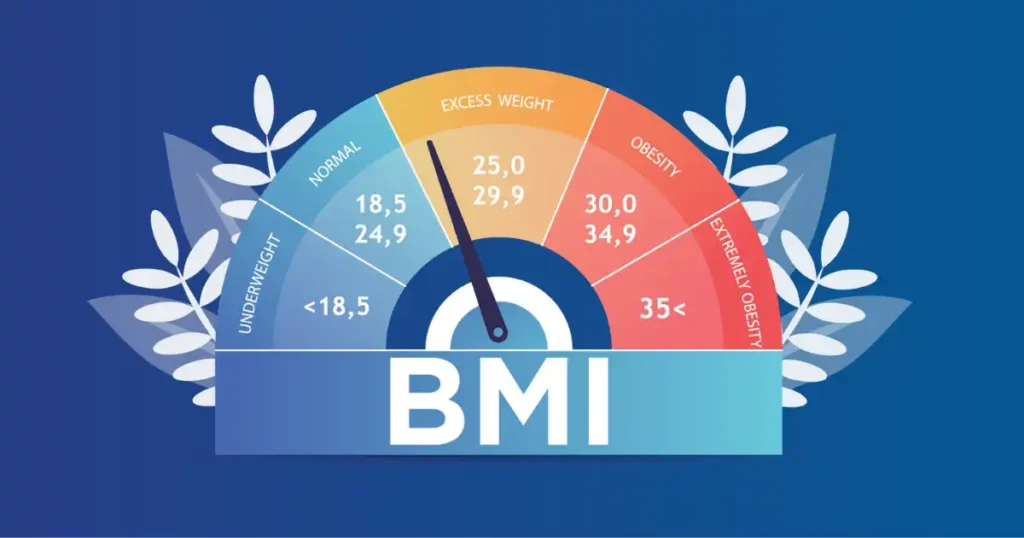
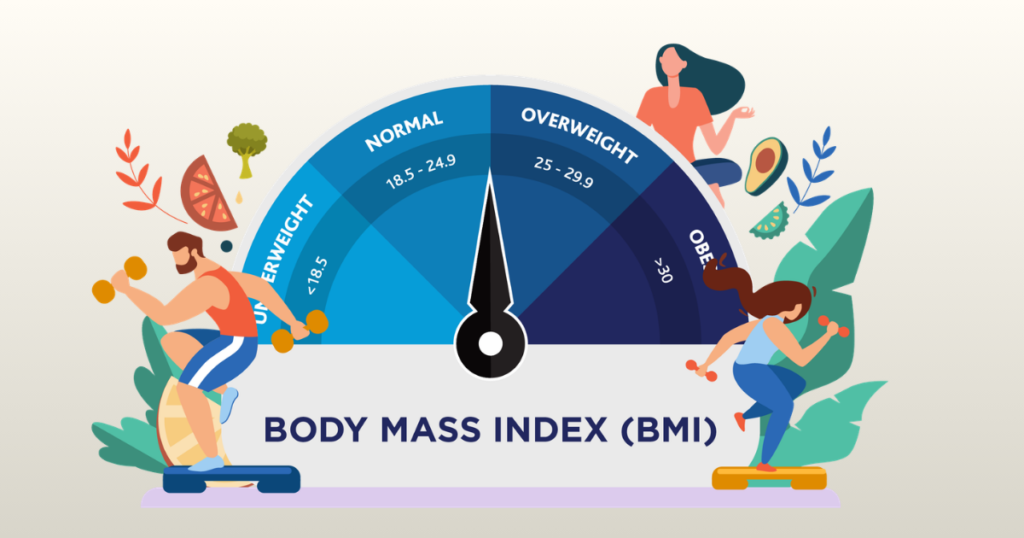
BMI stands for Body Mass Index. It is calculated using your height and weight through a simple formula: weight in kilograms divided by height in meters squared. The result places you in one of four categories defined by the CDC and WHO: underweight, normal weight, overweight, or obesity.
That is it. Nothing more, nothing less. BMI is a snapshot a single data point that tells you where your body weight falls relative to your height at this exact moment in time.
It is a quick health screening tool. Fast, free, and requires no device. You can run the calculation in five seconds on any browser or phone.
What a Fitness Tracker Measures
A fitness tracker is an entirely different category of tool. Instead of a one-time calculation, it collects continuous data throughout the day. Most modern trackers measure:
- Daily step count and distance
- Active and resting calories burned
- Heart rate both resting and during exercise
- Sleep quality and duration
- Workout activity and intensity
- Movement trends over time, including sedentary alerts
Higher-end wearables add resting heart rate trends, estimated VO2 max, blood oxygen levels, stress scores, and even ECG readings. These are not static numbers. They are behavioral patterns tracked over days, weeks, and months.
Why People Confuse the Two
Both tools get marketed under the broad umbrella of “health technology.” Both relate to fitness and body weight goals. And now that most fitness tracker apps include a built-in BMI calculator alongside step counts and calorie data, the line between them feels blurry to new users.
But the underlying purpose is completely different.
The Core Difference in One Sentence
A BMI calculator measures body size at a moment in time. A fitness tracker measures how your body behaves throughout the day.
That single distinction shapes everything that follows in this comparison.
BMI Calculator vs Fitness Tracker: Quick Comparison
Some people want the fast answer before reading further. This table gives a practical overview based on daily use, health value, and long-term usefulness.
I built this comparison from personal testing and reviewing dozens of user reports across fitness communities in the USA. Many users start with BMI for a baseline check, then shift toward fitness trackers once daily habit building becomes the real goal.
| Feature | BMI Calculator | Fitness Tracker |
|---|---|---|
| Measures body size | Yes | Partial |
| Tracks daily movement | No | Yes |
| Gives long-term trends | Limited | Strong |
| Requires wearable device | No | Usually |
| Useful for weight loss | Basic | Advanced |
| Tracks heart health | No | Yes |
| Easy for beginners | Very easy | Moderate |
| Cost | Usually free | Often paid |
| Real-time feedback | No | Yes |
Best Tool for Fast Health Checks
BMI calculators win here without question. No setup. No charging. And No pairing with a phone app. You enter your height and weight, get a number, and know where you stand in about five seconds. For annual wellness checks, quick health screenings, or getting a starting point before beginning a fitness journey, a BMI calculator is the most frictionless option available.
Best Tool for Lifestyle Improvement
Fitness trackers win this category. The daily accountability loop seeing your steps, getting a gentle buzz when you have been sitting too long, watching your sleep score after a rough night changes behavior in ways a static number cannot. Habit formation requires feedback, and fitness trackers deliver it continuously.
Which Tool Gives More Personalized Data?
Fitness trackers collect ongoing, individualized metrics that reflect your actual daily life. BMI calculators rely on static inputs that only change when you manually update your weight and height. For truly personalized health data, the fitness tracker is not even close.
How Accurate Is a BMI Calculator Really?
BMI calculators are simple. And simplicity creates both their convenience and their most significant problems.
How BMI Is Calculated
The BMI formula is straightforward: weight in kilograms divided by height in meters squared. Using imperial measurements, it is weight in pounds multiplied by 703, then divided by height in inches squared. The CDC uses these thresholds: below 18.5 is underweight, 18.5 to 24.9 is normal, 25 to 29.9 is overweight, and 30 or above is considered obese.
That formula has been used in population-level health research for decades. It is fast, reproducible, and requires no equipment beyond a scale and a tape measure.
Where BMI Works Well
BMI is genuinely useful for large-scale health screening. At the population level, higher average BMI correlates with higher rates of cardiovascular disease, type 2 diabetes, and certain cancers. Public health researchers use BMI because it is cheap to collect and consistent across massive datasets.
For an individual checking their general weight status quickly, a BMI calculator gives a useful directional signal. It is not the whole picture, but it is a legitimate starting point.
If you want to understand how BMI applies specifically across different demographics and life stages, the picture becomes more nuanced which is exactly why using BMI alongside other tools matters.
Where BMI Fails
BMI does not distinguish between fat mass and muscle mass. This is its most serious flaw.
A competitive powerlifter with 12 percent body fat can have the same BMI as someone who is genuinely overweight and sedentary. An older adult can have a “normal” BMI while carrying significant visceral fat around their organs which carries far more health risk than subcutaneous fat under the skin.
Other groups where BMI is unreliable include athletes of almost any sport, very tall individuals, short individuals, and people with naturally denser bone structure. Women also tend to carry more essential fat than men, which BMI does not account for.
Real-Life Example
A dedicated gym-goer in Nashville lifts weights five days a week, has excellent cardiovascular health, low resting heart rate, and visible muscle definition. Her BMI says “overweight.” She is not. BMI flagged the wrong thing because it cannot see the difference between twenty pounds of muscle and twenty pounds of fat.
That is a real limitation worth knowing before you put too much weight on a single number.
USA Expert Insight
“BMI is useful as a starting point, not a diagnosis,” says Dr. Yoni Freedhoff, an obesity medicine specialist widely referenced in U.S. health discussions. “It tells us something about population risk but very little about individual health.”
For a deeper look at what makes a BMI calculator more or less accurate for your specific situation, understanding the limitations is as important as understanding the formula itself.
Are Fitness Trackers More Useful for Daily Health?
Fitness trackers shine in areas BMI simply cannot touch. Movement, habits, recovery, sleep, and consistency are where wearable devices change the game.
What Fitness Trackers Do Well
The core strength of a fitness tracker is behavioral feedback. It encourages movement through step goals and reminders. It creates accountability because the data is always visible. Also, It monitors trends across days and weeks rather than measuring a single moment. And it improves awareness most people genuinely do not know how little they move until they see the number.
I noticed this personally when I first started tracking steps. I thought I was reasonably active. My tracker showed me I was sitting for five to six hours straight on most workdays. That awareness alone changed how I structured my afternoons.
Popular Metrics Modern Trackers Measure
Beyond basic step counting, modern fitness trackers collect data most people never had access to outside of a medical setting a decade ago:
- Resting heart rate trends over time a strong indicator of cardiovascular fitness
- Estimated VO2 max, which measures aerobic capacity and endurance
- Sleep stages including light, deep, and REM cycles
- Stress scores derived from heart rate variability
- Blood oxygen saturation (SpO2) during sleep and exercise
- Sedentary time alerts when you have been still for too long
These metrics create a comprehensive picture of daily health behavior that no single calculator can replicate.
Why Daily Feedback Changes Behavior
There is something oddly motivating about a tiny vibration on your wrist telling you that you hit 10,000 steps. Or a step celebration animation that appears after a long walk through the neighborhood. These small feedback moments buzzing reminders, visual milestones, daily summaries tap into the same habit-formation psychology that makes streak systems work in language learning apps.
The feedback loop is real. And it works for most people who give it a genuine two-week trial.
Common Problems With Fitness Trackers
Fitness trackers are not perfect. The calorie burn estimates are notoriously inaccurate often overestimating by 20 to 30 percent, which can quietly sabotage weight loss efforts if users eat back those phantom calories. Battery frustration is real, especially with premium devices that need charging every day or two. Data overload is a genuine problem: too many metrics can cause analysis paralysis where users check numbers constantly but make no actual changes.
And sometimes the tracker just gets it wrong in embarrassingly obvious ways.
Humor and Real-Life Context
Sometimes your tracker congratulates you for “excellent recovery” after you spent half the night awake watching cooking videos and eating leftover tacos from Tuesday. The algorithm does not always know the difference between lying still from restlessness and genuine restful sleep. Take recovery scores with appropriate skepticism.
Which Is Better for Weight Loss?
This is one of the biggest reasons people compare these two tools. The search intent is clear: which one actually helps with losing weight?
Weight loss depends more on consistent behavior than on having the most sophisticated metrics. This table cuts through the noise.
| Weight Loss Factor | BMI Calculator | Fitness Tracker |
|---|---|---|
| Tracks calorie burn | No | Yes |
| Monitors daily activity | No | Yes |
| Shows progress trends | Limited | Strong |
| Motivates daily habits | Weak | Strong |
| Detects plateaus | No | Yes |
| Tracks body composition | No | Some models |
Why BMI Alone Rarely Motivates People
BMI gives you a static number. It changes slowly often over weeks or months of consistent effort. That delayed feedback makes it a poor motivator for day-to-day behavior. You cannot check BMI during a lunch break to see if your morning walk counted. You cannot feel the number improving in real time.
Most people who rely solely on BMI for weight loss motivation find themselves checking it infrequently, and that inconsistency makes it hard to build momentum.
If you want a starting point before choosing tools for weight loss, reading about how BMI calculators support weight loss planning and goal setting helps frame the role BMI plays in a broader strategy.
Why Fitness Trackers Often Improve Consistency
Daily step goals. Movement reminders when you have been sitting too long. A gentle buzz that says “ten more minutes of activity to close your ring.” These micro-interactions keep fitness top of mind throughout the day, not just when you happen to step on a scale.
Habit reinforcement through daily engagement is one of the most reliable predictors of long-term behavior change. Fitness trackers are built around this principle in a way that BMI calculators simply are not designed to match.
Best Combination for Weight Loss
The most effective approach uses both:
BMI as a baseline measure to establish your starting point and track slow-moving progress on a monthly basis. A fitness tracker for daily accountability, calorie burn awareness, and habit reinforcement. A nutrition tracking app or macro calculator alongside both to connect the input side of the energy equation to the output side.
No single tool does everything. The combination is where real results happen.
Which Tool Is Better for Overall Health Monitoring?
Weight is one dimension of health. Energy, sleep, cardiovascular function, stress, and recovery all matter just as much often more.
BMI and Long-Term Health Risk
At the population level, BMI correlates meaningfully with obesity-related health risks including cardiovascular disease, type 2 diabetes, hypertension, and certain cancers. This is why doctors and public health researchers still use it despite its limitations it is a low-cost proxy for health risk at scale.
For individual health monitoring, however, BMI gives you a single data point on a single dimension. It tells you nothing about how active you are, how well you sleep, what your resting heart rate is doing, or how your body is responding to stress. Those gaps are significant for anyone trying to manage health proactively rather than reactively.
For a fuller discussion of what body composition tells you that BMI alone cannot, the difference between measuring body size and measuring body composition is worth understanding before you decide how to interpret your numbers.
Fitness Trackers and Preventive Health
Fitness trackers operate in the space of prevention. Catching sedentary behavior before it becomes a health problem. Noticing a resting heart rate trend that starts creeping upward over several weeks. Identifying poor sleep patterns that correlate with higher stress and lower energy before those patterns cause visible symptoms.
Heart rate irregularities flagged by wearables have prompted some users to seek medical evaluation and receive diagnoses they would not have found through routine care. That kind of passive monitoring has real preventive health value.
Mental Health and Tracking
This is worth saying clearly: not everyone benefits from constant health monitoring. Some users develop anxiety around their metrics. Missing a step goal feels like failure. A poor sleep score ruins the morning before it starts. Notification fatigue from hydration reminders, movement prompts, and activity summaries makes the app feel like an obligation rather than a tool.
Healthy awareness and obsessive tracking are two different things. The line between them is personal. If tracking your health data starts to feel stressful rather than motivating, that is a signal to step back from the numbers for a while not a sign that you failed.
Expert Perspective From the USA
“The best health technology is the one people consistently use,” says Dr. Peter Attia, a physician focused on longevity and preventive health. That framing resets the whole comparison. The right tool is not the most accurate one or the most feature-rich one. It is the one you will actually open, engage with, and learn from every day.
Cost Comparison: Free BMI Tools vs Paid Fitness Devices
Money matters. Especially when someone is already paying for a gym membership, meal prep subscriptions, and two streaming services they forgot to cancel three months ago.
I have tested tools across every price tier, and the cost-to-value calculation is genuinely different depending on your goals.
| Tool | Typical Cost | Ongoing Fees |
|---|---|---|
| Online BMI calculator | Free | None |
| BMI calculator app | Free to $5 | Rare |
| Budget fitness tracker | $30 to $80 | Optional |
| Premium smartwatch | $200 to $500 or more | Sometimes |
Hidden Costs of Fitness Trackers
The sticker price is not the whole story. Many fitness tracker ecosystems charge subscription fees for advanced analytics Fitbit Premium, Garmin Connect Plus, and similar services add $10 to $15 per month on top of the device cost. Replacement bands wear out and cost $20 to $40 each. Charging cables and accessories add up. And if you upgrade devices every two to three years, the long-term cost is significant.
None of this makes fitness trackers a bad investment. It just means the total cost of ownership is higher than the price tag suggests.
When a Free BMI Calculator Is Enough
If you are doing a basic annual health check, starting a fitness journey and just need a starting point, or working with a tight budget, a free online BMI calculator does the job completely. No subscription. No learning curve. And No charging required.
For users who want to understand the difference between free and advanced BMI calculator tools before spending money on anything, that comparison helps clarify what extra features actually add versus what is just marketing.
When a Fitness Tracker Is Worth Buying
A fitness tracker earns its cost when you have an active lifestyle goal weight loss, running improvement, or building a consistent movement habit. When daily accountability and behavior feedback are part of your strategy. When you want data on sleep, heart rate, and recovery over time. And when you are ready to engage with that data consistently rather than charge the device once and let it sit in a drawer.
The tracker only works if you use it. That sounds obvious, but a significant number of purchased fitness trackers get abandoned within three months.
Who Should Use a BMI Calculator?
Not everyone needs a smartwatch vibrating during dinner to remind them they have been sedentary for two hours.
Best Users for BMI Calculators
BMI calculators work best for beginners who want a quick, judgment-free starting point. For casual users who want a once-a-month health check without any commitment. For older adults who find wearables confusing or uncomfortable. Also, For anyone who does not own a fitness tracker and does not need one for their current goals.
If you are just beginning to think about your health metrics and want something simple to start with, a straightforward BMI calculator designed for beginners is genuinely the right entry point.
Situations Where BMI Is Most Helpful
Annual wellness checks before a doctor’s appointment. Getting a baseline number before starting a new fitness or nutrition program. General health education understanding where your weight falls and what the categories mean. Medical screenings where a quick proxy measure is needed before more detailed testing.
Advantages of Simplicity
Free. Fast. No device required. No account needed and No learning curve. Also, No battery to charge. No syncing errors. No subscription.
For a lot of people, especially those new to health tracking, that simplicity is not a limitation. It is exactly the feature that makes the tool usable.
Who Should Use a Fitness Tracker?
Fitness trackers work best for people who genuinely benefit from continuous feedback and behavioral accountability.
Best Users for Fitness Trackers
Fitness enthusiasts who want detailed performance metrics. Runners and cyclists who need heart rate zones and distance data. Weight loss users who benefit from daily calorie burn awareness and movement reminders. Busy office workers who sit for long stretches and need activity prompts to break up sedentary time. And habit-focused personalities who respond well to streaks, goals, and daily progress visuals.
Daily Scenarios Where They Help
Walking meetings where you want credit for steps you are already taking. Gym workouts where heart rate zones optimize training intensity. Sleep improvement efforts where tracking sleep stages reveals patterns you would not notice otherwise. Long desk-job hours in a corporate office or home workspace where sedentary alerts are the only thing that gets you out of your chair between 9 a.m. and 5 p.m.
Fitness Trackers for Beginners
Not all fitness trackers require deep technical knowledge. Entry-level devices focus on simple step goals, basic hydration reminders, and gentle activity prompts. If you are comparing a BMI calculator app versus a full fitness tracker platform for beginner use, the decision often comes down to how much daily engagement you are ready for.
Can You Use Both Together?
Most experienced health trackers eventually use both. And that combination is genuinely more powerful than either tool alone.
Why Combining Both Tools Works Best
BMI provides baseline context where you are starting from and how your body weight is trending over months. Fitness trackers provide ongoing behavioral data how active you are, how well you are recovering, and whether your daily habits actually match your stated goals.
Together, they create a feedback loop where static body measurements get connected to dynamic daily behavior. That connection is what makes health tracking meaningful rather than just informational.
A Simple Health Monitoring Routine
Here is what a practical combined routine looks like in real life:
Morning: Weight check (at the same time, same conditions), BMI review once a month to track longer-term trends, and a quick check of the fitness tracker summary from the previous day.
Throughout the day: Step tracking running passively. Heart rate monitoring during any workout. Water intake logging if the tracker supports it, or a separate hydration reminder.
Evening: Sleep preparation through the fitness tracker’s bedtime recommendation. Recovery tracking and next-day goal setting based on today’s activity summary.
The whole thing takes maybe two or three minutes of active attention per day. The passive tracking runs itself.
Real-Life Example
A teacher in Chicago checks her BMI once a month as a general reference point. But her fitness tracker runs every day. Between classes, she aims for 500 steps per break period. Her resting heart rate has dropped eight beats per minute over six months of consistent walking. The BMI shows slow change. The tracker shows the behavior that is creating it.
That is the most honest answer to the comparison question: BMI shows what. Fitness trackers show how.
Common Mistakes People Make With Both Tools
Health data is only useful when you interpret it correctly. Here are the mistakes I see most often and have made myself.
Obsessing Over Daily Weight Changes
Body weight fluctuates two to four pounds in a single day based on water retention, sodium intake, hormonal cycles, and meal timing with no actual fat change. Stepping on a scale every morning and using that number to judge your progress is a recipe for frustration.
Use weekly averages. Look at four-week trends. That is where real signal appears through the noise.
Trusting Calorie Burn Numbers Too Much
Fitness trackers overestimate calorie burn significantly some studies suggest by 20 to 40 percent depending on the device and the activity type. If you are eating back every calorie your tracker claims you burned, you may be in a much smaller deficit than you think or no deficit at all.
Use calorie burn estimates as directional data, not precise measurements. They tell you which days you were more active. They do not give you a number precise enough to base a meal plan on.
Ignoring Sleep and Stress
Body weight, metabolism, hunger hormones, and workout recovery are all significantly affected by sleep quality and stress levels. Neither a BMI calculator nor a basic calorie tracker captures this. If you are doing everything “right” on paper but not losing weight or not recovering well, sleep and stress are the first two places to investigate.
The best wellness tracking includes recovery awareness alongside movement and nutrition data.
Comparing Yourself to Others
Health metrics can quietly turn competitive. Suddenly your cousin’s 18,000 daily steps become your entire personality for a week, and your perfectly healthy 9,000 steps feel like failure. Your friend’s BMI gets mentioned at Thanksgiving and suddenly the holiday meal feels like a weigh-in.
Your health data is personal. It reflects your body, your history, and your starting point not anyone else’s. Track against your own past, not against other people’s numbers.
Future Trends in Health Tracking for 2026
Health technology is moving fast. Here is where both categories of tools are heading.
AI-Powered Health Insights
The most significant shift happening right now is from static calculators to adaptive AI systems. Instead of a fixed BMI number, next-generation tools will use your body composition data, activity history, and nutritional patterns to generate personalized health recommendations that update as your life changes.
Fitness trackers are already moving this direction with adaptive fitness goals, smart recovery suggestions, and behavior prediction based on historical patterns. The future of AI-powered wellness tools is making these adaptive features increasingly accessible to everyday users, not just elite athletes.
Smarter Body Composition Tools
The biggest weakness of BMI its inability to distinguish fat from muscle is being addressed by newer technology. Bioimpedance analysis, which sends a small electrical signal through the body to estimate fat versus lean mass, is now built into some smart scales that connect directly to fitness tracker apps.
This moves the conversation beyond BMI entirely. Instead of a weight-to-height ratio, you get a fat-to-muscle ratio that actually reflects body composition. That is the direction the field is heading, and it makes the BMI-versus-tracker debate somewhat less relevant over time.
Wearables Becoming More Medical
Mainstream consumer wearables are adding features that were clinical-grade technology just five years ago. ECG monitoring for atrial fibrillation detection. Blood pressure tracking through optical sensors. Continuous glucose monitoring research that may make wearable glucose tracking accessible without a prescription.
These advances blur the line between fitness tracker and medical device in ways that create both opportunity and responsibility around how users interpret the data.
Privacy Concerns Growing
As fitness trackers collect increasingly sensitive health data, privacy concerns are growing proportionally. Health data is valuable to insurers, advertisers, and employers in ways that other personal data is not. App permissions, cloud storage practices, and data sharing agreements deserve scrutiny before you trust any device with your biometric information.
Practical Tips for Using Both Tools More Effectively
Knowing which tool to use matters. Knowing how to use it well matters even more.
Set a Realistic Activity Level in Any Calculator
This advice applies whether you are using a BMI companion app, a TDEE calculator, or the activity settings in your fitness tracker ecosystem. Most people set their activity level one tier too high. The result is an inflated calorie target that quietly prevents weight loss.
Start conservative. Adjust upward only when your results confirm that your current target is producing the outcomes you expect.
Measure at the Same Time Every Day
For BMI tracking and weight trends, consistency in measurement timing matters as much as the measurement itself. Morning, before eating or drinking, after using the bathroom that is the standard protocol that removes the most noise from your data.
Understanding how BMI accuracy improves with consistent measurement and proper tracking methods helps you get more reliable information from whichever tool you choose.
Let the Trend Guide You, Not the Day
One bad night of sleep does not define your recovery. One high-calorie day does not derail a month of good habits. One elevated BMI reading after a salty restaurant meal is not a setback. Look at the seven-day trend. Look at the thirty-day chart. That is where real information lives.
Frequently Asked Questions
Is a BMI calculator accurate for athletes?
Not reliably. Athletes typically carry significantly more muscle mass than average, which raises body weight and therefore BMI without any increase in body fat. A competitive swimmer or rugby player with 12 percent body fat may register as “overweight” on the BMI scale. For athletes, body fat percentage using the US Navy formula or a DEXA scan gives far more meaningful data than BMI alone.
Can a fitness tracker replace BMI?
They serve different purposes, so replacement is the wrong frame. A fitness tracker measures behavior and activity. BMI measures body size relative to height. A fitness tracker cannot calculate your BMI without also using your height and weight. And BMI cannot tell you anything about how active you are. They complement each other rather than replacing each other.
Which is better for weight loss?
For daily weight loss support, a fitness tracker provides more actionable data calorie burn, activity levels, habit accountability, and progress trends. BMI is useful for tracking longer-term changes in body weight category over months. For best results, use both: BMI monthly and a fitness tracker daily.
Are fitness trackers worth buying?
For people with active lifestyle goals, yes. For casual users who just want a quick health baseline, probably not. The value depends entirely on whether you will engage with the data consistently. A fitness tracker in a drawer is worth nothing. A simple free BMI calculator used monthly is worth more than an unused $300 smartwatch.
Do doctors still use BMI?
Yes. Despite its limitations, BMI remains widely used in clinical settings because it is fast, cheap, and requires no special equipment. Many doctors use it as a first-pass screening tool alongside other measures like waist circumference, blood pressure, and cholesterol levels. The American Medical Association has acknowledged BMI’s limitations and encourages its use alongside other metrics rather than as a standalone diagnostic.
Can fitness trackers measure body fat?
Some models estimate body fat percentage using bioimpedance electrical signals passed through the body but these estimates are less accurate than dedicated body composition tools. They provide a rough directional number rather than a precise measurement. For more accurate body fat tracking, understanding how BMI compares to dedicated body fat percentage calculators helps clarify which tool serves that specific goal best.
Is BMI outdated in 2026?
BMI is limited, not outdated. It remains a practical tool for population-level health screening and quick individual assessments. What has changed is the expectation around it most health professionals now recommend using BMI alongside body fat percentage, waist circumference, and metabolic markers rather than treating it as a complete health picture on its own.
What is the best health tracking method overall?
The most effective method combines a consistent morning weigh-in, monthly BMI review, daily fitness tracking for activity and sleep, and periodic body composition assessment. No single tool covers everything. A layered approach where each tool adds something the others cannot gives the most complete and actionable picture of your health.
Final Recommendation
After years of using both tools and helping readers navigate the same question, here is my honest take.
Start with a BMI calculator. It is free, fast, and gives you a baseline number to anchor everything else. If you are just beginning to pay attention to your health, a quick BMI check through a reliable online tool takes thirty seconds and costs nothing.
Once you have that baseline and you are ready to build daily habits more steps, better sleep, consistent activity add a fitness tracker. Start with a budget-friendly device in the $30 to $50 range. You do not need a $400 smartwatch to get real value from daily step and sleep tracking.
Use both together over time. BMI tracks the slow-moving story of your body weight over months. The fitness tracker tracks the daily behavior that creates that story. Neither tool is complete without the other for someone serious about long-term health.
The goal was never a perfect number. It was a sustainable, informed, healthy life. These tools are just instruments for getting there and the best one is always the one you actually use.

Shakitul Alam is the CEO, Owner, and Co-founder of BMI Calculator Women AI. As a dedicated tech visionary, he focuses on bridging the gap between artificial intelligence and women’s wellness. Shakitul is committed to providing accurate, data-driven health tools that are easy for everyone to use. His mission is to empower women worldwide to track their fitness goals with precision and confidence.