Sitting at a coffee shop in Portland, Oregon last fall, I pulled up a BMI calculator on my phone between meetings. It gave me a number in about four seconds. But I had no idea what to do with it. That moment pushed me to dig into the real difference between free vs advanced BMI calculators compared side by side. After testing dozens of tools and reading through guidance from the CDC, WHO, and fitness researchers, I found out that the tool you choose matters more than most people realize. Some tools give you a starting point. Others give you a roadmap. This article breaks down both types so you can pick the one that actually helps you.
What Is a BMI Calculator and Why People Use It
A BMI calculator is a tool that estimates whether your body weight is within a healthy range based on your height and weight. The output is a single number called the Body Mass Index. Health professionals use it as a quick screening tool to flag potential weight-related health concerns.
It does not diagnose anything on its own. It is a starting filter. Think of it like a smoke detector. It tells you something might be worth a closer look. It does not tell you exactly what is going on.
People use BMI calculators for all kinds of reasons. Some want to track progress during a weight loss plan. Others are checking in on their general health after a doctor visit. Many just want to know where they stand.
The Basic BMI Formula
Every BMI calculator, free or advanced, starts with the same foundation.
Metric formula: BMI = Weight in kilograms divided by Height in meters squared.
Imperial formula: BMI = (Weight in pounds multiplied by 703) divided by Height in inches squared.
Both formulas produce the same result when units are converted correctly. A reliable calculator handles that conversion automatically, which removes one common source of user error.
Why BMI Became a Popular Health Metric
The appeal of BMI is its simplicity. You do not need a blood test. You do not need special equipment. Two measurements and a formula give you a number that carries a lot of health context.
Major health organizations rely on BMI as a first-pass screening tool. The CDC, WHO, NHS, and American Heart Association all use BMI in their public health guidelines. It correlates well with health outcomes at a population level, even if it has limitations at the individual level.
That widespread use is exactly why so many free and advanced calculators exist. The demand is massive. But demand alone does not guarantee quality.
What Are Free BMI Calculators?
Free BMI calculators are the most common type online. You will find them on health news sites, government health portals, fitness blogs, and basic wellness apps. They are designed for speed and simplicity.
Most of them take about thirty seconds to use. Enter your height. Enter your weight. Press a button. The BMI number appears along with your basic weight category. That is the full experience for most free tools.
For millions of people, that is enough. And for a quick check, it genuinely works well.
How Free BMI Calculators Work
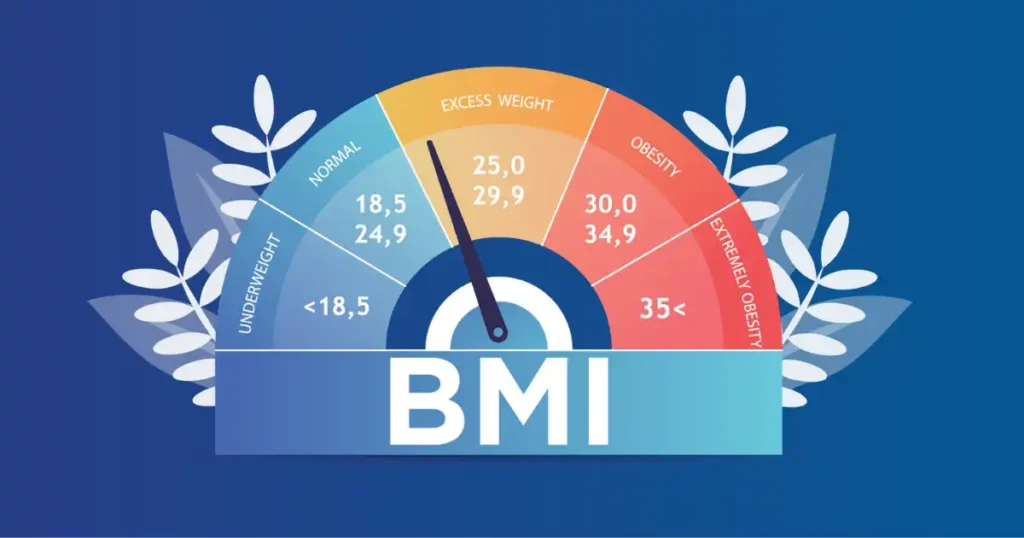
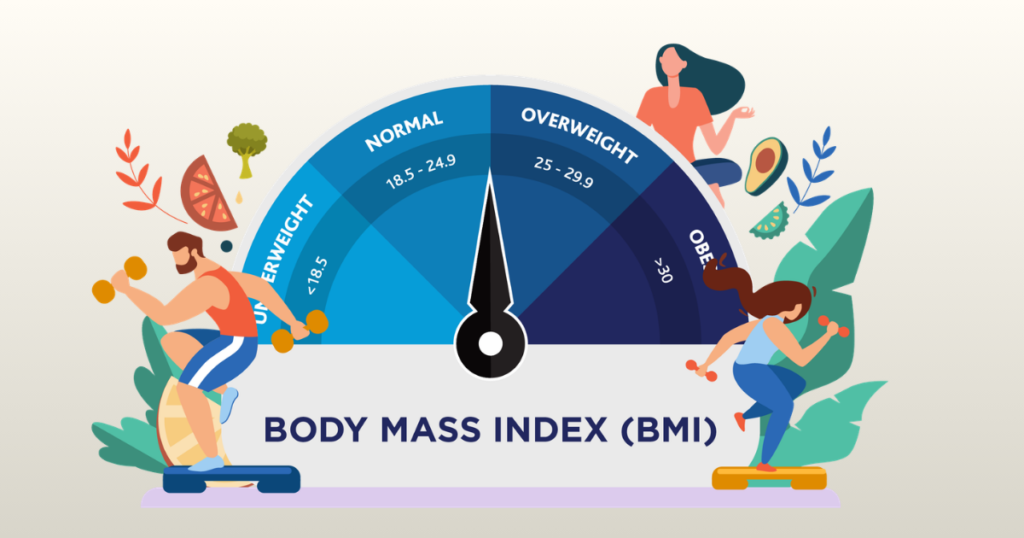
The process is straightforward. The calculator takes two inputs, runs them through the standard BMI formula, and displays the result. Many free tools also show which BMI category the number falls into, such as underweight, normal weight, overweight, or obese.
Some free tools offer both metric and imperial input options, which is a nice touch. Others only support one unit system, which can be inconvenient depending on where you live or how you prefer to measure.
The output is almost always instant. No loading screens. No waiting. Just a result.
Common Features of Free BMI Calculators
After testing a wide range of free tools, here is what they typically include.
- Instant BMI result after entering height and weight
- Basic BMI category label such as underweight or overweight
- Metric and imperial input options on better-built tools
- Simple single-page layout with no account required
What they usually do not include is equally important. Most free calculators skip age and gender adjustments, body fat estimates, metabolic rate calculations, and personalized health guidance. The result is a number, and then you are on your own to figure out what it means for you specifically.
Where Free BMI Calculators Are Most Useful
Free calculators shine in certain situations. They are ideal for anyone who wants a quick, low-effort health check. Students learning about body weight metrics find them helpful. People who just want a rough sense of their weight category will get everything they need.
They are also the default option on most government health websites, which gives them a layer of credibility even without advanced features.
What Are Advanced BMI Calculators?
Advanced BMI calculators go beyond the basic height and weight formula. They pull in additional data points to build a richer picture of your health and body composition. These tools are often found in fitness apps, clinical health platforms, and wellness programs.
When I first tested an advanced calculator in Portland, I was surprised by how much more useful the result felt. Instead of just a BMI number, I got an estimated body fat percentage, my basal metabolic rate, a recommended daily calorie range, and a healthy weight range for my height. That extra information turned a single data point into something I could actually act on.
Additional Metrics Used in Advanced Tools
The best advanced BMI calculators add several layers of health data on top of the basic result.
- Body fat percentage estimate based on BMI, age, and gender
- Basal Metabolic Rate, which is the number of calories your body burns at rest
- Total daily calorie needs based on activity level
- Waist-to-height ratio for assessing fat distribution and cardiovascular risk
- Ideal weight range for your height and body frame
- BMI trend tracking if the tool saves your data over time
Each of these metrics adds context that BMI alone cannot provide. Body fat percentage, for example, can reveal that someone with a normal BMI still carries a high percentage of body fat. That matters for health outcomes.
Where Advanced BMI Calculators Are Commonly Found
You will encounter advanced calculators most often in these types of platforms.
- Fitness tracking apps like those used for marathon training or strength programs
- Nutrition and meal planning platforms that need calorie data
- Clinical health assessment tools used by dietitians and fitness coaches
- Corporate wellness programs that track employee health metrics
These platforms integrate BMI with other health calculators because their users are actively working toward specific health goals. A single number is not enough for that purpose.
Free vs Advanced BMI Calculators Compared
Now let us look at the direct comparison. This is where the real difference becomes clear. Both types of tools calculate BMI correctly. The gap shows up in what they do with that number afterward.
| Feature | Free BMI Calculator | Advanced BMI Calculator |
| Inputs required | Height and weight only | Height, weight, age, gender, and more |
| Primary output | BMI number only | BMI plus multiple health metrics |
| Health analysis depth | Basic category only | Detailed health and risk breakdown |
| Body fat estimate | Not included | Often included |
| BMR calculation | Not included | Usually included |
| Calorie guidance | Not included | Often provided |
| Ease of use | Very fast and simple | Slightly more input required |
| Best suited for | Quick health checks | Fitness and health goal tracking |
The table makes it clear that advanced calculators offer more depth. But depth comes with a tradeoff. They require more time and more inputs. Whether that tradeoff is worth it depends entirely on what you need.
Accuracy Differences Between Free and Advanced Tools
Here is something that surprises a lot of people. When it comes to calculating the raw BMI number, both free and advanced tools are equally accurate. They use the same formula. As long as you enter your measurements correctly, the BMI result will be identical.
The accuracy gap appears in a different place. It shows up in the quality and depth of the health analysis that follows the BMI calculation.
Why the Core BMI Result Is Usually the Same
The standardized formula means there is no meaningful difference in BMI calculation accuracy between a free tool and an advanced one. A free calculator on a government health website and a paid fitness app will give you the same BMI number if you enter the same height and weight.
This matters because it means choosing a free tool for a quick check is not a compromise on accuracy. You are getting the same math. What you are missing is the context.
Where Advanced Calculators Improve Accuracy
Advanced tools improve the accuracy of your health picture, not the BMI number itself. By adding waist circumference, age, gender, and activity level, they give you a result that accounts for more variables.
For example, BMI does not separate muscle from fat. A person with a high muscle mass may show as overweight on a standard BMI scale even though their body fat is low. Advanced calculators that include body fat estimation methods can catch this discrepancy and give a more realistic picture.
Waist-to-height ratio is another area where advanced tools add real value. Research published in health journals has consistently shown that where you carry fat matters as much as how much fat you carry. A high waist-to-height ratio signals elevated cardiovascular risk even at a normal BMI.
The Limits of Both Tool Types
It is worth being honest about both types. Free tools miss nuance. Advanced tools add nuance but are still based on estimates. Neither type replaces a clinical assessment from a doctor or registered dietitian.
BMI itself has well-documented limitations. It cannot distinguish between fat mass and lean mass. It does not account for bone density. Also, It can be misleading for athletes, elderly individuals, and people with certain body types.
The best approach is to use either tool as a starting point and follow up with a healthcare professional if your result raises concerns.
Expert Advice on Using BMI Calculators
Over the years I have spent researching health tools, one theme keeps coming up in expert discussions. BMI is not the problem. How we use it is.
Dr. Steven Heymsfield, an obesity researcher at Louisiana State University, has noted that BMI is useful for population screening but that individual health assessments should also consider body composition. That perspective shapes how I evaluate every BMI tool I use.
A tool that only shows a BMI number is giving you population-level data. A tool that adds body composition metrics is getting closer to individual-level insight.
Metrics Experts Recommend Using With BMI
Health professionals and researchers consistently suggest pairing BMI with the following measurements for a more complete picture.
- Waist circumference or waist-to-height ratio to assess fat distribution
- Body fat percentage to separate muscle mass from fat mass
- Basal metabolic rate to support calorie planning and diet decisions
- Physical activity level to contextualize total calorie needs
When you combine these metrics, you move from a rough population filter to something closer to a personal health snapshot. Advanced calculators do this well. Free calculators typically do not.
What Fitness Professionals Say
Personal trainers and certified fitness coaches tend to use advanced tools with their clients because they need more than a single number. They need to track body composition changes, set calorie targets, and adjust training programs based on metabolic data.
For people working with a fitness professional, an advanced calculator gives both parties more to work with. For someone just checking their weight status out of general curiosity, a free tool is perfectly sufficient.
Advantages and Disadvantages of Each Calculator Type
Every tool has strengths and limitations. Knowing both sides helps you choose the right one for your situation.
| Calculator Type | Advantages | Limitations |
| Free BMI Calculator | Fast, simple, accessible everywhere, no account needed | No age or gender adjustment, no body composition data, limited health context |
| Advanced BMI Calculator | Deeper health analysis, more personalized results, supports goal tracking | Requires more inputs, may need an account, can feel overwhelming for casual users |
Neither type is universally better. The right choice depends on your goal, your comfort level with data, and how much detail you actually need.
A Real-Life Example of Using Both Calculator Types
Let me walk you through what I experienced when I actually sat down and compared both types side by side. This was a warm Saturday morning in Portland. I had just come back from a run and wanted to check my stats before making breakfast.
The first tool I opened was a free calculator on a well-known government health website. I entered my height and weight. Five seconds later I had my BMI and a label that said normal weight. That was it. I appreciated the speed, but I left the page feeling like I still had questions.
The second tool was an advanced health calculator on a fitness platform I use for tracking workouts. It asked for my height, weight, age, gender, waist measurement, and activity level. It took me about two minutes to fill everything in.
The result was completely different in terms of usefulness. I got my BMI, my estimated body fat percentage, my basal metabolic rate, a recommended daily calorie range based on my activity level, and a note about where my waist-to-height ratio placed me on the cardiovascular risk scale. I saved the result and referred back to it three times that week.
The free tool gave me a check. The advanced tool gave me a plan. Both were accurate in what they promised to do. But the second one served my actual needs much better.
When Free BMI Calculators Are Enough
Free calculators get a bad reputation sometimes, but they do not deserve it. There are plenty of situations where they are the right tool for the job.
Situations Where Free Tools Make Sense
You are making the right call with a free calculator when any of these apply to you.
- You want a quick health check without spending more than a minute on it
- You are just curious about your BMI category after hearing it mentioned
- You are a student learning about BMI and just need to see the formula in action
- You are tracking only your weight status and do not need body composition data
- You want to use a tool from a trusted source like the CDC or NIH website
Free tools from credible health organizations are accurate, trustworthy, and perfectly appropriate for these use cases. Do not let anyone tell you they are inferior just because they are simple.
Who Benefits Most From Free Tools
Free BMI calculators work best for casual users who want general health awareness without complexity. If you are not following a structured fitness or weight management plan, the extra features in advanced tools may actually add confusion rather than value.
Simplicity has real merit. Not every health interaction needs to be a deep data analysis.
When Advanced BMI Calculators Are Worth Using
Advanced tools earn their place when you need more than a snapshot. If you are actively working toward a health goal, the extra data they provide can make a real difference in how you approach your plan.
Ideal Users of Advanced BMI Calculators
Based on my experience and research, these are the people who get the most out of advanced tools.
- Fitness enthusiasts who track body composition changes over time
- Athletes who need to account for high muscle mass when interpreting BMI
- People following a structured weight loss or weight gain program
- Individuals managing chronic conditions where weight and metabolism matter
- Anyone working with a dietitian, personal trainer, or health coach
For these users, the extra inputs and richer outputs of an advanced calculator directly support their goals. The two-minute investment in entering more data pays off every time they check their results.
Advanced Calculators and Long-Term Health Tracking
One feature that sets the best advanced tools apart from basic ones is history tracking. Some advanced calculators save your entries and show you trends over weeks or months. That kind of longitudinal view is incredibly valuable when you are trying to measure real progress.
Seeing your BMI drop by one point over three months is motivating. Seeing your estimated body fat percentage improve alongside it is even more so. Free calculators almost never offer this feature.
Which BMI Calculator Should You Choose?
Your choice really comes down to your goal. This simple guide should help you decide quickly.
| Your Goal | Best Calculator Type | Why It Fits |
| Quick BMI check | Free calculator | Fast, simple, no extra inputs needed |
| Fitness tracking | Advanced calculator | Body fat and BMR data support training goals |
| Weight loss planning | Advanced calculator | Calorie needs and healthy weight range guide your plan |
| General health awareness | Free calculator | Basic category info is enough for awareness |
| Working with a health coach | Advanced calculator | More data gives your coach more to work with |
| Learning about BMI | Free calculator | Simple tools make the concept easier to understand |
Matching the tool to your goal is the single most important factor in getting value from a BMI calculator. A hammer is not better than a screwdriver in every situation. The right tool is the one that fits the job.
Common Mistakes When Using BMI Calculators
Even with the right tool, it is easy to get less accurate or less useful results by making avoidable errors. Here are the mistakes I see most often and how to fix them.
Ignoring Body Composition
BMI treats weight as weight. It does not know if that weight is muscle or fat. A professional athlete and a sedentary person of the same height and weight will get the same BMI number, but their health profiles are completely different.
This is the most important limitation of BMI, and it is the main reason advanced calculators that include body fat estimates are more meaningful for active individuals. If you exercise regularly or have significant muscle mass, a basic BMI result may not accurately represent your health status.
Using Inaccurate Measurements
Small errors in height or weight can shift your BMI meaningfully. Half an inch of difference in height changes the result more than most people expect.
Here are the best practices I follow every time.
- Measure height without shoes, standing straight against a flat wall
- Weigh yourself in the morning before eating or drinking
- Use the same scale each time to keep results comparable
- Record the numbers immediately rather than trying to remember them
Consistency matters as much as precision. If you weigh yourself at the same time under the same conditions each time, your trend data will be reliable even if there is a small baseline error.
Treating BMI as a Final Diagnosis
A BMI result, whether from a free or advanced tool, is not a medical diagnosis. It is a data point. Treating it as a definitive statement about your health leads to either unnecessary worry or false reassurance.
If your BMI result concerns you, the right next step is a conversation with your doctor or a registered dietitian. They can put your BMI result in the context of your full health picture, including blood pressure, cholesterol, blood sugar, and other factors that BMI simply cannot measure.
Choosing the Wrong Tool for Your Needs
Using a free calculator when you actually need detailed body composition data is a mismatch. So is using a complex advanced tool when you just want a quick number during a coffee break.
The mistake is not using a free tool or an advanced tool. The mistake is using the wrong one for your actual situation. Refer back to the goal-matching table earlier in this article when you are unsure which direction to go.
How to Get the Most Out of Any BMI Calculator
Regardless of which type of tool you choose, a few habits will always improve the quality of your results and your experience.
Always Use Accurate, Consistent Inputs
The formula is only as good as the numbers you put into it. Take a moment to measure properly before you enter anything. The difference between estimating your height and actually measuring it can easily shift your BMI by half a point or more.
Use BMI Alongside Other Health Metrics
BMI works best as part of a set of measurements. Even if you are using a free tool, you can manually pair your BMI result with your waist circumference, your resting heart rate, or your general activity level to build a fuller picture of your health.
Advanced calculators do this automatically. Free calculator users can do it manually with a bit of extra effort.
Track Your Results Over Time
A single reading is a snapshot. A series of readings over months is a trend. Trends are far more meaningful than individual data points.
Keep a simple log of your BMI, date, and weight. Even a note on your phone works. When you can look back at three to six months of data, you will have a much clearer sense of whether your health is moving in the right direction.
Know When to Involve a Professional
If your BMI result falls in the obese category, or if it has been creeping upward over several months, that is worth discussing with a healthcare provider. Similarly, if you are in the underweight range, a doctor or dietitian can help you understand whether that is a health concern for your specific situation.
BMI calculators, free or advanced, are tools to inform decisions. They are not replacements for professional guidance.
Trusted Sources for BMI Calculators
One thing I always check before using a BMI tool is where it comes from. The source matters. A calculator hosted on a government health website or a major medical institution is far more likely to use current formulas and guidelines than a random page that turns up in a search result.
Here are the types of sources I trust most.
- Government health agencies such as the CDC and NIH
- University hospital and medical school health portals
- Established fitness platforms that cite their data sources clearly
- Tools that reference CDC or WHO BMI categories in their output
If a calculator does not tell you where its categories come from, or if its ranges do not match standard guidelines, move on. The formula might be correct but the interpretation could be off, which is just as misleading as a bad calculation.
Final Recommendation
After all the testing and research I have done on free vs advanced BMI calculators compared side by side, my recommendation is clear and practical.
If you want a fast number to satisfy quick curiosity, a free BMI calculator from a credible health website does the job perfectly. It uses the same formula as every other tool. It gives you your category. Also, It takes less than a minute. There is nothing wrong with that.
If you are actively working on a fitness goal, managing your weight, or working with a health professional, an advanced calculator is worth the extra two minutes it takes to fill out. The body fat estimate, basal metabolic rate, calorie guidance, and waist-to-height ratio data turn a single number into a real health resource.
The truth is that both types of calculators have a place. The free vs advanced BMI calculators comparison is not really about which one is better in general. It is about which one is better for you right now.
Start with a free tool if you are new to BMI tracking. Move to an advanced tool when your goals become more specific. And regardless of which you use, always pair your result with input from a healthcare provider if the number raises any questions.
Health tracking should feel empowering, not overwhelming. The right BMI calculator is the one that gives you useful information without making the process harder than it needs to be. Pick the tool that fits your goal, use it consistently, and let the data guide your next step.
Frequently Asked Questions
1. What is the difference between free vs advanced bmi calculators compared? Free tools give a basic score fast. Advanced tools use more data like age or sex. This is a key point in free vs advanced bmi calculators compared.
2. Is one better in free vs advanced bmi calculators compared? It depends on your goal. Free ones are quick for a fast check. Advanced ones give more detail when free vs advanced bmi calculators compared side by side.
3. Do pros look at free vs advanced bmi calculators compared? Yes, they often pick advanced tools for health plans. This choice shows why we see free vs advanced bmi calculators compared in medical offices.
4. Can I trust a free tool in free vs advanced bmi calculators compared? Most free tools use standard math. They are safe for a simple check when you look at free vs advanced bmi calculators compared for daily use.
5. What extra data is in free vs advanced bmi calculators compared? Advanced tools may ask for waist size or activity level. This extra info sets them apart in free vs advanced bmi calculators compared.
6. Is ease of use key in free vs advanced bmi calculators compared? Free tools are often much simpler to use. This ease is a big win for many when free vs advanced bmi calculators compared for a quick score.
7. How do I choose between free vs advanced bmi calculators compared? Think about your needs. If you want deep stats, go with an advanced one. Compare them today to see which tool fits your health journey best.

Shakitul Alam is the CEO, Owner, and Co-founder of BMI Calculator Women AI. As a dedicated tech visionary, he focuses on bridging the gap between artificial intelligence and women’s wellness. Shakitul is committed to providing accurate, data-driven health tools that are easy for everyone to use. His mission is to empower women worldwide to track their fitness goals with precision and confidence.