
Years ago, living in Portland, I typed my height and weight into a random website and got a number back. That was my first time using any kind of body mass index tool. Back then, I had no idea there was a real difference between a free BMI calculator vs pro version. I just wanted a quick answer. But after years of tracking my own health and helping others understand theirs, I realized that not all BMI tools are built the same. Some just give you a number. Others actually help you do something with it. This guide breaks down everything I have learned so you can pick what fits your life right now.
What Is a BMI Calculator and Why People Use It
Most people first hear about body mass index from a doctor or a fitness article. It sounds clinical. But at its core, a BMI calculator is just a simple tool that takes your height and weight and gives back a number that helps estimate where your body weight stands relative to health norms.
It is widely used because it is fast. You do not need blood work. You do not need gym equipment. Also, You just need two numbers you already know.
The Basic Idea Behind Body Mass Index
The BMI formula was created by Adolphe Quetelet, a Belgian mathematician, back in the 1800s. He was not trying to measure individual health. He was studying population statistics. Still, the formula stuck because of how simple it is.
The calculation uses just two inputs: your height and your weight.
- Metric formula: weight in kilograms divided by height in meters squared
- Imperial formula: 703 multiplied by weight in pounds, divided by height in inches squared
That is it. Two numbers in, one number out. That simplicity is exactly why it became a global standard in health screening.
Where BMI Calculators Are Commonly Used
You will find BMI tools almost everywhere health is discussed. Fitness apps like MyFitnessPal and Lose It! include them. Hospital websites have them. Government health portals offer them. Smart scales calculate BMI automatically when you step on. Weight-loss programs use it as a starting point. Even workplace wellness programs often include a quick BMI check during annual health screenings.
It is one of the most widely distributed health metrics in the world precisely because it requires no specialized equipment and produces an instant result.
Why BMI Tools Became Popular Online
Think about what people want when they open a health website. They want a fast answer. BMI calculators deliver exactly that. No sign-up. No loading and No waiting. You punch in two numbers and you immediately know if you fall in the underweight, normal, overweight, or obese category.
That instant feedback loop made them go viral in the early days of the internet. And they never really stopped being popular. Search volume data consistently shows tens of millions of monthly BMI-related searches worldwide. People keep using them because they work for a specific need: a quick health snapshot.
Free BMI Calculators Explained
Honestly, free BMI calculators are everywhere. Search the phrase right now and you will find options from hospital systems, government agencies, fitness blogs, nutrition platforms, and random health sites. They all essentially do the same thing, but the experience can vary a lot depending on where you go.
Typical Features in Free BMI Calculators
Most free tools offer a pretty consistent set of basics. You get a height field, a weight field, and a calculate button. After that, you see your BMI number and a label telling you which category you fall into. Some include a short line or two about what the number means. That is usually where it ends.
Government sites like the Centers for Disease Control and Prevention offer free, reliable BMI calculators that are accurate, clean, and completely free to use. No ads, no upsells, just the number.
Common BMI Categories
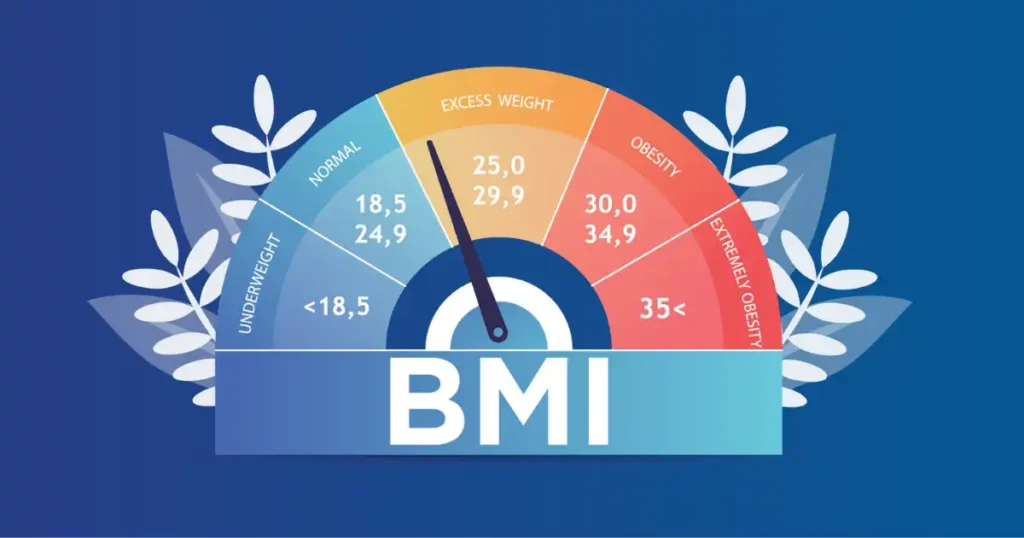
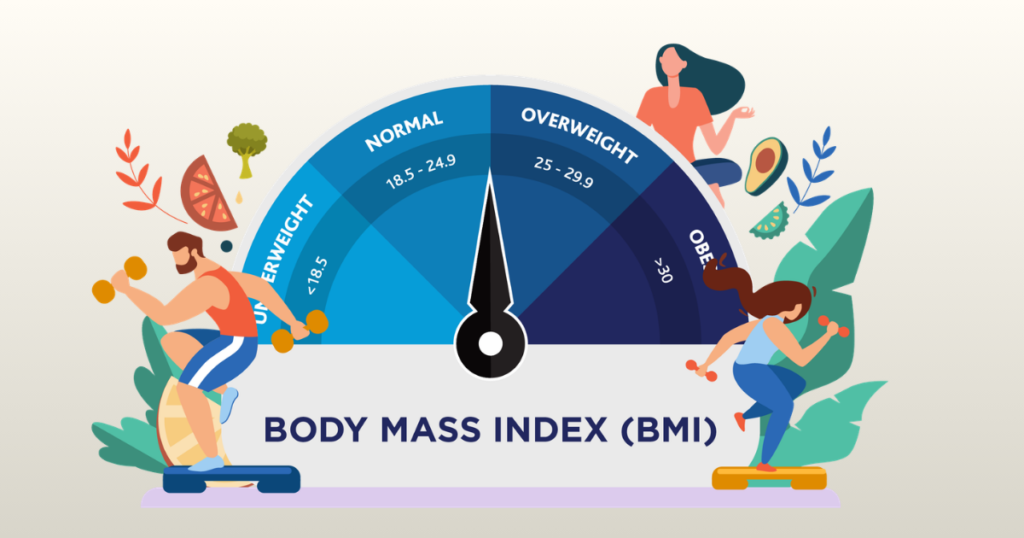
Here are the standard categories most free BMI calculators use. These come directly from the World Health Organization and are the same across virtually every reputable tool.
| BMI Range | Category | General Health Meaning |
|---|---|---|
| Below 18.5 | Underweight | May indicate a nutrition deficit or underlying health issue |
| 18.5 to 24.9 | Normal Weight | Generally considered a healthy range for most adults |
| 25 to 29.9 | Overweight | Associated with increased risk of some chronic conditions |
| 30 and above | Obese | Higher risk for type 2 diabetes, heart disease, and other conditions |
Most free tools stop right there. You get the number and the label. That is the full experience for millions of users every single day.
Advantages of Free BMI Tools
There is a lot to like about free BMI calculators, especially if your needs are simple.
- They cost nothing at all
- Results appear in seconds
- No account creation required
- Accessible from any device with a browser
- Great for a quick, casual health check
For someone who just wants to know whether they are roughly in a healthy range before a doctor visit, or for a blog reader who is curious after reading a health article, a free tool is completely sufficient. I used them this way for years, and they served that purpose well.
Limitations of Free BMI Calculators
Here is where things get real. Free BMI calculators have genuine gaps. They give you a number, but they do not give you context. Also, They do not track changes over time. They do not account for your age, gender, or how active you are. They definitely do not tell you anything about your body composition.
That last point matters a lot. Two people can have the exact same BMI and be in completely different health situations. A 45-year-old sedentary office worker and a 25-year-old recreational runner can both hit a BMI of 26. But their bodies are nothing alike. A free calculator treats them identically.
Other common limitations include no progress tracking, no personalized recommendations, and often a pretty basic user interface with no visual charts or health trend data.
Quick reality check: A free BMI tool gives you the number. It rarely gives you the story behind the number. That gap is exactly what pro versions try to fill.
What Is a Pro BMI Calculator Version
When I started taking my health more seriously after my 30s, a simple number stopped being enough. I wanted to know if I was actually making progress. I wanted to understand body composition, not just body weight. That is when I started exploring pro BMI tools, and the difference was significant.
A pro BMI calculator is less of a calculator and more of a health tracking dashboard. It uses the same base formula but layers on a set of additional metrics, tracking tools, and personalized insights that transform a single data point into an ongoing health profile.
Extra Features Found in Pro Versions
The exact feature set varies by platform, but most paid or premium BMI tools include several key additions over the free versions.
- Body fat percentage estimation using additional inputs
- Basal Metabolic Rate calculation based on age and activity level
- Weight and BMI trend graphs over weeks or months
- Health risk analysis tailored to your age and gender
- Personalized calorie and macronutrient recommendations
- Integration with fitness wearables and apps like Apple Health or Google Fit
- Progress reports and goal-setting tools
Some advanced platforms even connect with your nutrition logs or fitness activity data to give you a more complete picture of your health over time.
Advanced Metrics Beyond BMI
This is the part that made the biggest difference for me personally. A single BMI score tells you almost nothing about what is actually going on inside your body. Pro tools add several other important metrics that paint a far more useful picture.
- Basal Metabolic Rate (BMR): The number of calories your body burns at rest. Knowing this helps you set realistic calorie goals.
- Body Fat Percentage: The actual proportion of your body that is fat versus lean mass. This is far more telling than BMI alone.
- Waist-to-Hip Ratio: A strong predictor of cardiovascular health risk, especially when BMI falls in a borderline range.
- Ideal Weight Range: A personalized range based on your height, frame, gender, and age.
- Calorie Deficit or Surplus Recommendations: Practical daily calorie targets based on your goals.
Together, these numbers do what BMI alone cannot. They show whether your weight reflects healthy lean mass or excess fat, which changes everything about how you should approach your fitness and nutrition.
Who Usually Uses Pro BMI Tools
From my experience in health and fitness spaces, the users who get the most value from pro versions tend to fall into a few clear categories.
- Personal trainers tracking client progress and body composition
- Registered dietitians running nutrition assessments
- People on structured, long-term weight loss journeys
- Athletes managing lean mass and performance metrics
- Anyone who wants more than a one-time snapshot
If you are checking your BMI once a year and mostly just want a general idea of where you stand, the free tool is fine. But if health tracking is part of your regular routine, a pro version earns its cost quickly.
Free BMI Calculator vs Pro Version (Feature Comparison)
Let me lay this out clearly. When comparing a free BMI calculator vs pro version side by side, the difference is not about accuracy of the formula. The formula is identical in both cases. The difference is about depth, context, and usability.
| Feature | Free BMI Calculator | Pro BMI Calculator |
|---|---|---|
| BMI Score | Yes | Yes |
| Weight Category Label | Yes | Yes |
| Body Fat Estimate | Rarely | Often included |
| Metabolic Rate (BMR) | No | Usually included |
| Progress Tracking | No | Yes |
| Health Risk Analysis | Basic or none | Detailed and personalized |
| Personalized Advice | Rare | Yes |
| Data Export | No | Usually available |
| Device Integration | No | Often supported |
| Cost | Free | Paid or freemium |
The simple way I think about it: free tools answer “Where am I right now?” Pro tools answer “Where am I going, and how do I get there?”
That second question is the one that actually moves the needle for most people who are working toward a real health goal.
Accuracy Differences Between Free and Pro BMI Tools
This question comes up a lot, and I want to address it directly because there is a common misconception here. People often assume that paying for a pro tool means getting a more accurate BMI number. That is not exactly true.
The BMI formula is fixed. It does not change between tools. What changes is how much context is built around that number, and that context dramatically affects how useful the result actually is.
Why BMI Alone Can Be Misleading
BMI was designed to measure populations, not individuals. When you apply it to a single person, its limitations become very clear very fast.
It does not measure muscle mass at all. A competitive athlete who weighs 210 pounds at 5 feet 10 inches has a BMI of about 30, which technically puts them in the obese category. But their body fat percentage might be 12 percent. The number is technically correct and practically meaningless at the same time.
It also ignores bone density, fat distribution, age-related changes in body composition, and the difference between subcutaneous fat (under the skin) and visceral fat (around your organs). Visceral fat is far more dangerous for heart health and metabolic risk, but BMI cannot distinguish between the two.
Someone with a normal BMI of 23 could have high visceral fat and elevated cardiovascular risk. Someone with a BMI of 27 could have excellent cardiovascular health and very low body fat. BMI alone would flag the second person as more at risk. That is a real accuracy problem when the number is used without context.
Expert Insight From U.S. Nutrition Specialists
“BMI is a screening tool, not a diagnosis. It is useful as one data point, but it is dangerously incomplete when used alone to assess individual health.”Dr. Yoni Freedhoff, obesity medicine specialist and author of “The Diet Fix”
This matches exactly what I have heard from registered dietitians and personal trainers I have worked with over the years. BMI gets the conversation started. It does not end it.
The American Medical Association has even formally acknowledged that BMI has significant limitations as a clinical tool. In 2023, they updated their guidance to recommend that BMI be used alongside other measures rather than as a standalone health indicator. That shift matters when you are choosing a tool to actually track your health.
How Pro Tools Improve Accuracy in Practice
Pro BMI calculators improve the usefulness of the result by combining BMI with additional inputs. Most ask for your age, biological sex, activity level, and sometimes waist or hip measurements. Those extra inputs allow the tool to calculate body fat estimates using validated formulas like the Navy Body Fat Formula or Deurenberg’s equation.
The result is not a perfect measurement. But it is a much more realistic health picture than a single BMI number. When a pro tool tells you your estimated body fat is 28 percent and your BMR is 1,850 calories, you have something you can actually act on. You can set a calorie target, a fat loss goal, and track whether your body composition is improving over time.
That actionability is where the real value of a pro version lives.
Best Situations to Use a Free BMI Calculator
I want to be clear about this because some health content online makes free tools sound almost useless. That is not fair and it is not accurate. Free BMI calculators serve a very real and valuable purpose. They are just not the right tool for every situation.
When a Free Tool Is Exactly Right
There are plenty of situations where a free calculator is all you need.
- You want a quick general health check before a doctor appointment
- You are a student working on a health science project
- You are writing a blog post or article and want to illustrate BMI for readers
- You are just curious after a conversation about weight and health
- You are not tracking health regularly and just want a one-time snapshot
I still use free calculators sometimes when I just need a fast number and am not in tracking mode. Last spring I was hiking in Colorado and having a conversation about fitness goals with a friend. I pulled up a free CDC BMI tool on my phone to show her where she stood. Done in 30 seconds. No need for anything more sophisticated than that in the moment.
Bloggers and Website Owners Love Free BMI Tools
There is a whole other use case that does not get talked about much: embedding free BMI calculators on websites. Health bloggers, fitness websites, and wellness platforms frequently add interactive BMI tools to increase page engagement. Readers love interactive content, and a simple embedded calculator gives them a reason to stay on the page and engage with the content.
From an SEO and user experience standpoint, interactive tools like embedded BMI calculators reduce bounce rates and increase time on page. For website owners, that is a meaningful benefit even when the calculator itself is completely basic.
Several platforms offer free embeddable BMI calculators specifically built for this use case. They require no development skills and add real value for visitors.
Health Literacy and Community Programs
Free BMI tools also play an important role in community health education. Public health clinics, school wellness programs, and nonprofit health organizations often use simple, free BMI calculators as first-step screening tools. They are not trying to replace clinical assessment. They are helping people who have never thought much about their weight become aware that health metrics exist and matter.
That awareness step is genuinely valuable and should not be underestimated just because the tool itself is simple.
When a Pro BMI Calculator Is Worth Paying For
Now let me tell you when upgrading to a pro version genuinely makes sense. I have been on both sides of this decision, and there is a clear inflection point where the investment starts paying off.
You Are Working With Fitness Clients
If you are a personal trainer or fitness coach, a basic BMI number is not nearly enough to serve your clients well. You need to track their body composition changes over time. You need to see whether the weight they are losing is fat or muscle. Also, You need to show them progress in a way that keeps them motivated when the scale does not move the way they expected.
Pro BMI and body composition tools let you create client profiles, track measurements across multiple sessions, generate progress reports, and export data. That professional-grade functionality is simply not available in a free calculator. For coaches, this is not optional. It is part of how you deliver value and justify your rates.
You Are on a Long-Term Weight Loss Journey
Short-term diets do not work. The research is extremely clear on this. Sustainable weight loss happens over months and years through consistent behavior change. To support that kind of long-term effort, you need tools that match the timeframe.
A free calculator cannot show you that you have lost 4 percent body fat over the past six months while maintaining your lean muscle mass. A pro tracking tool can. That kind of visual progress data is one of the most powerful motivational tools available. When you can see a graph of your body fat declining over time, even when the scale barely moves, it keeps you going through the inevitable plateaus.
Pro BMI tools also help you set realistic goals. If you know your BMR is 1,750 calories, you can build a sustainable calorie plan rather than crash dieting. That kind of metabolic insight is simply not available in a free tool.
Athletes and Performance-Focused Users
Athletes are the most obvious case where BMI falls completely flat as a health metric. A competitive powerlifter, a college football player, or a serious recreational bodybuilder will almost always show an elevated BMI due to muscle mass. Treating that as a health warning would be absurd.
For athletes, body fat percentage and lean mass tracking are the meaningful metrics. Knowing that your fat mass dropped from 18 to 14 percent over a training cycle while your lean mass held steady tells you the training program is working exactly as intended. BMI cannot tell you any of that.
Pro tools that include body fat estimation, lean mass tracking, and athletic performance benchmarking are the ones that actually serve this user group. Free tools were not built for this use case.
Real-World Example: Free vs Pro Experience
Let me walk you through two real scenarios that illustrate this difference clearly. I have seen both of these play out many times in real life.
Jake’s Story: The Casual User
Jake is 34, works a desk job, and lives in Charlotte, North Carolina. He is not on a specific fitness plan. He just wants to generally stay healthy and not end up at risk for chronic disease in his 50s. Every few months, he types his height and weight into a free BMI calculator and checks the result.
His BMI sits at 24.2, right in the normal range. He sees that, feels reassured, and moves on. That is genuinely all he needs right now. The free tool served its purpose completely. There is no reason for Jake to pay for a pro version at this stage.
Maya’s Story: The Performance Tracker
Maya is 29 and training for her second marathon. She wants to optimize her performance, reduce her injury risk, and manage her body composition through training cycles. She uses a premium fitness app that includes detailed BMI analysis, body fat tracking, and calorie planning.
When she checks her stats, she does not just see a BMI number. She sees that her body fat dropped from 22 to 19 percent since starting her training block. She sees that her estimated daily calorie burn has increased as her mileage went up. Also, She can track whether she is fueling her training correctly or running a deficit that could impair her recovery.
That depth of insight is what earns the pro tool its price. For Maya, a free calculator would be like checking your car’s fuel gauge when what you actually need is a full dashboard of performance data.
Same BMI formula. Completely different needs. Completely different tools.
Pros and Cons Overview: Free vs Pro BMI Tools
| Option | Key Strengths | Key Limitations |
|---|---|---|
| Free BMI Calculator | Instant, zero cost, no login, widely available, great for casual use | No tracking, no body composition data, limited health context |
| Pro BMI Calculator | Progress tracking, body fat estimate, metabolic data, personalized advice | Costs money, some apps have steep learning curves or excessive upsells |
| Hybrid / Freemium Tools | Some pro features at no cost, good starting point | Core features often locked behind paywall, ads can be distracting |
In most cases, freemium tools are a decent middle ground if you want more than a basic number but are not ready to commit to a paid plan. Just read the fine print on what the free tier actually includes before you invest time setting up a profile.
Tips for Choosing the Right BMI Calculator
Whether you go free or pro, the quality of the tool matters. Not all calculators are built with the same care. Here is what I look for.
Stick to Credible Health Sources
For free tools, the safest bet is to use calculators from established medical institutions or government health agencies. The CDC, NIH, and major hospital systems like Mayo Clinic all offer free, accurate, no-frills BMI calculators that have been reviewed by medical professionals.
Avoid random third-party sites that include heavy advertising or make sensational health claims alongside their calculators. The formula is simple, but the surrounding content can seriously mislead you about what your BMI number actually means for your health.
Look for Additional Metrics That Add Context
Even in free tools, the best ones offer at least a little more than just a number. A tool that factors in your age or asks for a waist measurement before giving results is providing meaningfully better context than one that only looks at height and weight.
If a free tool includes age-adjusted BMI interpretation, that is a sign it was built by people who understand the limitations of the standard formula. That is worth noting.
Privacy Should Be Non-Negotiable
This is one area people overlook when choosing health tools. You are entering personal physical data. You have a right to know exactly how that data is stored and used.
Avoid tools that require you to create an account just to get a basic BMI reading. Avoid apps that bury their data sharing policies in long terms of service documents. Look for tools that are transparent about data collection and give you the option to use the tool without creating a persistent health profile if you prefer.
For pro tools, read the privacy policy before paying. You should know whether your health data is shared with third parties, and you should be able to delete your account and all associated data if you choose to stop using the service.
Verify the Science Behind the Tool
Pro BMI tools that include body fat estimation should tell you which formula they are using. The most commonly validated methods include the Deurenberg equation, the Navy Body Fat method, and the Jackson-Pollock formulas. If an app claims to estimate your body fat without explaining its methodology, that is a red flag.
Good health tools cite their sources. They reference clinical guidelines and acknowledge the limitations of their calculations. That transparency is a sign of quality and intellectual honesty.
Emerging Trends in BMI Tracking Technology
The world of body composition tracking is moving quickly. I want to mention a few developments that are making both free and pro BMI tools more useful than they were even a few years ago.
Smart Scale Integration
Scales from brands like Withings, Fitbit, and Garmin now estimate body fat, muscle mass, bone density, and hydration level using bioelectrical impedance analysis. When synced with a pro health app, these scales automatically update your body composition profile every morning. The result is daily tracking data without any manual entry.
Wearable Sync and AI Coaching
Some advanced health platforms now pull BMI and body composition data together with wearable activity data, sleep quality scores, and nutrition logs to generate AI-driven health insights. These are not perfect tools, but they represent a genuinely more holistic approach to health tracking than anything a simple BMI calculator can offer.
Camera-Based Body Composition
A few apps are beginning to use smartphone cameras to estimate body fat percentage through 3D body scanning technology. The accuracy of these tools is still being validated, but the trajectory is clear. Body composition analysis that once required specialized equipment is becoming accessible through devices people already own.
These trends suggest that the gap between free and pro BMI tools will continue to widen, with pro platforms offering genuinely powerful health tracking features that free tools simply cannot match.
Final Recommendation
After years of using both types of tools and talking with fitness professionals, dietitians, and everyday health-conscious people about their experiences, here is my honest take.
Start with a free BMI calculator if you are new to health tracking, just want a general baseline, or are building a health widget for a website. The tool will give you a real and useful number. It will tell you which category you fall into. That information has value, especially as a starting point.
But if you are serious about your health over the long term, working toward a specific fitness goal, managing your weight through a structured program, or working as a health professional, a free calculator is not going to carry you very far. You will quickly hit the ceiling of what a single number can tell you.
In those cases, a pro BMI and body composition tool is worth every penny. The ability to track progress, understand your metabolic rate, monitor body fat changes, and receive personalized recommendations transforms a snapshot into a story. And it is the story of your health over time that actually leads to meaningful, lasting change.
My personal rule of thumb:
Casual health check with no active fitness goal: use a free tool from a trusted source like the CDC or a major hospital website.
Active fitness goal, long-term tracking, or professional use: invest in a quality pro platform with body composition tracking and progress monitoring.
The free BMI calculator vs pro version debate is not really about which one is better in an absolute sense. It is about matching the tool to your actual need. A hammer is not better than a scalpel. They are built for different jobs.
Know what you need. Use the right tool. And remember that BMI, whether you get it from a free site or an advanced app, is always just the beginning of the conversation about your health. What you do with that number is what matters most.
Frequently Asked Questions
The free tool gives a basic score fast. The pro version adds more deep data. This is the main point in free bmi calculator vs pro version for your health.
Yes, they are. Most free tools show ads on the screen. The pro version is clean and fast. This makes free bmi calculator vs pro version easy to see.
A free tool often does not save your score. The pro version tracks your wins. This is a big part of free bmi calculator vs pro version for long goals.
Pro tools often show clear weight graphs. Free ones are mostly just text. These charts help you see free bmi calculator vs pro version in a visual way.
Both use the same math. But the pro version asks for more body details. This extra info helps free bmi calculator vs pro version feel more precise.
The pro version often lets you track many people. Free tools usually track just one. This is a key win for free bmi calculator vs pro version for coaches.
Think about your needs. If you want simple stats, stay free. If you want a deep log, pick the pro version. Compare them today to see what fits you best.

Shakitul Alam is the CEO, Owner, and Co-founder of BMI Calculator Women AI. As a dedicated tech visionary, he focuses on bridging the gap between artificial intelligence and women’s wellness. Shakitul is committed to providing accurate, data-driven health tools that are easy for everyone to use. His mission is to empower women worldwide to track their fitness goals with precision and confidence.