
Searching for the best BMI vs BMR calculator tool is something I did not fully understand until I started tracking my health more seriously. Two simple letters kept coming up everywhere BMI and BMR and most online guides treated them like they were the same thing. They are not. One tells you where your weight stands. The other tells you how many calories your body needs just to keep the lights on. I have spent time testing both inside fitness apps, clinic tools, and even smart scales here in Nashville and this guide covers everything I learned so you can skip the confusion and start using the right data.
What Is the Difference Between BMI and BMR?
People mix these up constantly. I used to do it too. But once you see the difference clearly, both numbers become genuinely useful tools.
What BMI Measures
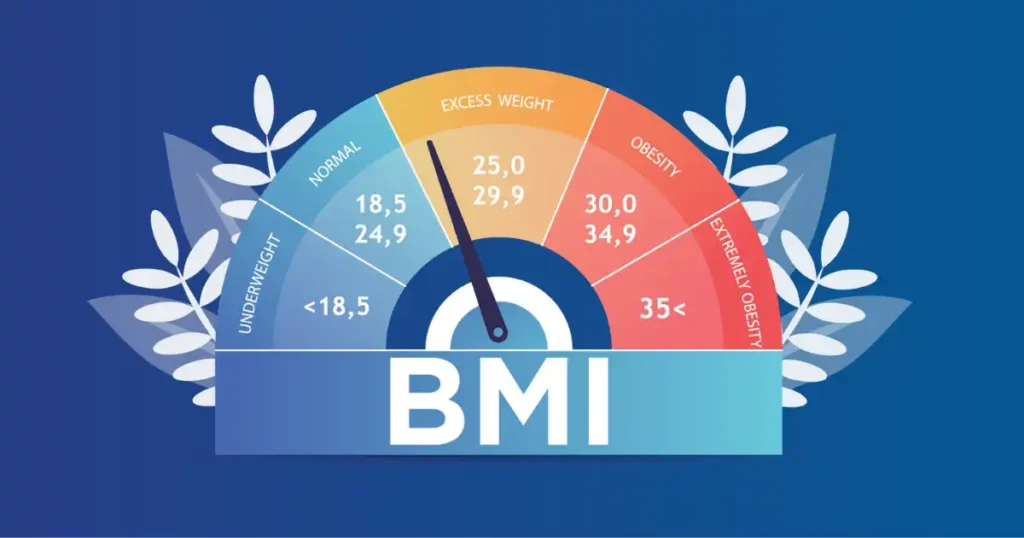
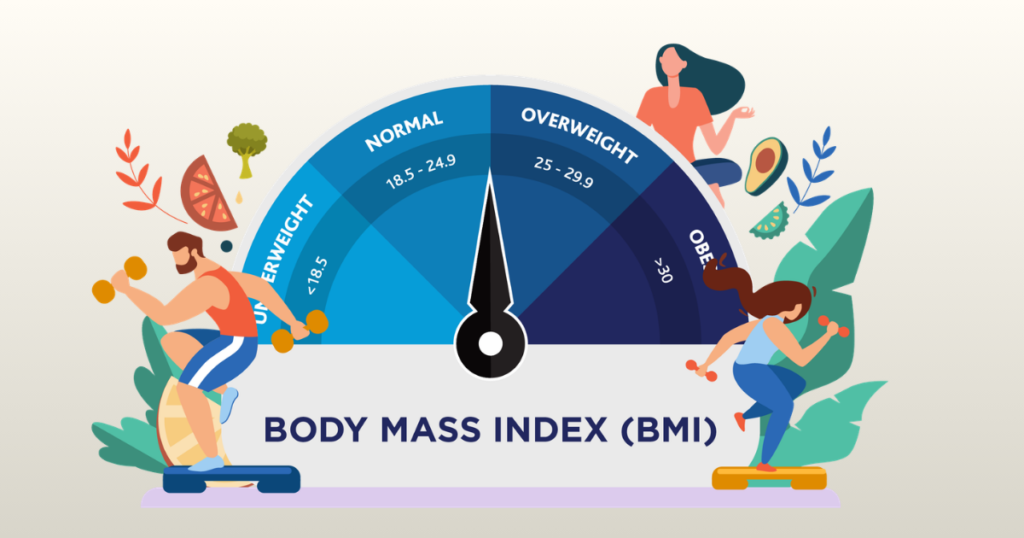
Body Mass Index, or BMI, uses only two inputs: your height and your weight. It calculates a single number that places you in one of four categories: underweight, normal weight, overweight, or obese.
The formula looks like this:
BMI = weight (kg) divided by height (m) squared
For example, someone who weighs 75 kg and stands 1.75 meters tall has a BMI of about 24.5. That lands in the normal range. Simple. Fast. Requires no lab work.
BMI is a screening tool. It was designed for population-level health research. Doctors and public health agencies still use it because it is quick, free, and requires no equipment beyond a scale and a tape measure. That said, it has real limits, which I will get to shortly.
What BMR Measures
Basal Metabolic Rate, or BMR, is something else entirely. It estimates the number of calories your body burns in a full day of complete rest. Think of it as the energy cost of simply being alive. Your heart beating. Your lungs breathing. And, Your organs functioning.
The most widely used modern formula for BMR is the Mifflin-St Jeor equation:
BMR = (10 x weight in kg) + (6.25 x height in cm) – (5 x age in years) + 5 (for men) or -161 (for women)
This number is the foundation of any real calorie plan. Without knowing your BMR, you are essentially guessing at how much food your body actually needs.
Why Fitness Experts Use Both Together
Here is the thing I wish someone had told me earlier. BMI and BMR answer completely different questions. BMI gives you a category. BMR gives you a number to act on.
As Dr. Spencer Nadolsky, an obesity medicine physician, puts it: “BMI tells me where a client stands statistically. BMR tells me what to do next nutritionally.”
Use BMI to understand the broad picture. Use BMR to build the actual daily plan. Together, they create a much clearer view of health than either one alone. If you are also trying to understand how BMI shifts across different stages of your life, I recommend reading through the guide on how BMI changes at every life stage on this site.
Why People Search for BMI vs BMR Calculator Tools
Most people searching for the best BMI vs BMR calculator tool are not doing academic research. They are dealing with something real.
Maybe the jeans that fit fine last fall feel tight now. Maybe a doctor mentioned that your weight puts you at risk. And, Maybe you started a new workout routine and want to know how many calories to eat. Or maybe you have been logging meals in an app and the numbers just are not adding up.
These are all valid reasons. And the right calculator tool can actually help, as long as you understand what it is measuring.
Common User Goals
People use these tools for a range of health and fitness goals:
- Weight loss planning with a realistic calorie deficit
- Estimating daily calorie needs before starting a new diet
- Setting macro targets for muscle building or body recomposition
- Getting a quick sense of obesity risk before a doctor visit
- Tracking whether fitness progress is moving in the right direction
What the Search Intent Really Means
When someone types “best BMI vs BMR calculator tool” into Google, they are usually not looking for a math lesson. They want a tool that is fast, accurate, easy to use on a phone, and actually explains the results in plain language. They want to know: am I on track, and what should I do next?
That is exactly what this guide answers.
Best BMI vs BMR Calculator Tools Compared
Not every calculator is worth your time. Some are cluttered with ads. Some use outdated equations that underestimate your calorie needs. Also, Some give you a number with no explanation of what it means. I have tested several tools and here is an honest comparison.
Top BMI vs BMR Calculator Tools
| Tool Name | Best For | Includes BMI | Includes BMR | TDEE Support | Mobile Friendly |
|---|---|---|---|---|---|
| Mayo Clinic Calculator | Medical accuracy | Yes | No | No | Yes |
| Calculator.net | Detailed metrics | Yes | Yes | Yes | Yes |
| Legion Athletics | Fitness users | Yes | Yes | Yes | Excellent |
| Bodybuilding.com Calculator | Muscle gain goals | Yes | Yes | Yes | Moderate |
| NIH BMI Tool | Government-backed BMI | Yes | No | No | Basic |
Best Overall Tool for Beginners
Calculator.net is the one I recommend most often to people just starting out. The interface is clean and organized. You enter your age, height, weight, and activity level. It gives you BMI, BMR, and your estimated Total Daily Energy Expenditure (TDEE) all on one screen. It also shows body fat percentage estimates and even a healthy weight range for your height.
What I appreciate most is that it explains what each number means. You are not left staring at a figure with no context.
Best Tool for Athletes and Gym Users
Legion Athletics built their calculator specifically for people who train regularly. It lets you choose your goal (fat loss, muscle gain, or maintenance), adjusts your calorie estimate accordingly, and even breaks down macronutrients. If you are following a structured training plan, this is the most practical tool I have found.
It also uses the Mifflin-St Jeor equation, which is the current gold standard for BMR accuracy in healthy adults.
Best Clinically Trusted BMI Tool
The NIH BMI calculator and the Mayo Clinic tool are the go-to options in healthcare settings. They are not built for fitness planning, but they are reliable, straightforward, and carry institutional credibility. If you are preparing for a doctor visit or need a quick reference for insurance purposes, these are solid choices.
For a more detailed breakdown of how free and paid BMI tools stack up against each other, check out this comparison of free vs paid BMI calculators.
BMI vs BMR: Which Metric Actually Matters More?
This is the question I get asked the most. And honestly, it depends entirely on what you are trying to accomplish.
When BMI Is Useful
BMI still has legitimate value in specific contexts. It works well for:
- Public health screening at the population level
- Quick obesity risk assessments during routine checkups
- Insurance company health evaluations
- Tracking broad weight trends over months or years
If a doctor or public health professional needs a fast, standardized way to categorize weight status across thousands of patients, BMI is still a practical tool. It requires no blood draw, no imaging, and no expensive equipment.
When BMI Falls Short
Here is where I get honest. BMI has real blind spots.
A 200-pound person who is 5 feet 10 inches tall has the same BMI whether they are a sedentary office worker or a competitive cyclist. The formula cannot tell the difference. It does not measure muscle mass, fat distribution, bone density, or metabolic health.
This is especially relevant for anyone who lifts weights regularly or has a naturally muscular build. According to a study published in the International Journal of Obesity, nearly half of people classified as “overweight” by BMI had normal cardiometabolic health markers. BMI alone can be misleading.
For a deeper look at exactly why BMI has limits and what to use instead, I go into more detail in the article on BMI calculator limitations explained.
When BMR Matters More
BMR is the metric that drives actual behavior. It is the number that tells you how many calories to eat, how large your deficit should be, and whether the “1200 calorie plan” you found online is dangerously low for your body size.
BMR matters most when you are:
- Building a weight loss plan with a sustainable calorie deficit
- Calculating macros for a specific fitness goal
- Doing a reverse diet after a long restriction period
- Working with a nutrition coach who needs to personalize your intake
If your goal is to change your body composition, BMR is the metric you cannot afford to ignore.
A Real-Life Example
A 210-pound CrossFit coach in Denver might have a BMI that puts them in the “overweight” category. But their body fat percentage could be 14 percent. Their resting metabolic rate could be well over 2,000 calories. Their cardiovascular health could be excellent.
That BMI number is not telling the full story. BMR plus body composition data paints a far more accurate picture. This is exactly why many fitness professionals are moving toward tools that measure both.
When You Should Use a BMI Calculator
Sometimes, simple is exactly what you need. And BMI delivers simplicity well.
Best Use Cases
If you’re doing a quick health check-in and have no interest in detailed metrics, BMI is perfectly useful. It takes ten seconds and gives you a general idea of where you fall on a population-level health spectrum.
For beginners who are just starting a fitness or weight loss journey, BMI can serve as a useful baseline marker. It’s easy to track over time without any equipment or cost. Public health researchers and epidemiologists rely on BMI for population studies because it’s standardized and universally available.
Clinics and healthcare providers use it as a quick screening tool to decide whether further investigation is needed. In that role, it still earns its place — as a first filter, not a final judgment.
Situations Where BMI Misleads
Bodybuilders should not rely on BMI at all. Their muscle mass inflates the number in a way that is completely misleading.
Older adults experience a natural process called sarcopenia — the gradual loss of muscle mass with age. An older person may fall within the “normal” BMI range while actually carrying a high percentage of body fat. This is dangerous because it masks real health risk.
Ethnic body composition differences also matter. Research has shown that people of South and Southeast Asian descent tend to carry higher body fat percentages at the same BMI compared to people of European descent. For this reason, some health organizations recommend lower BMI cutoffs for certain populations.
How to Use a BMI and BMR Calculator Correctly
Getting an accurate result requires more than just plugging in numbers. I have made mistakes here. Most people do.
Information You Need
Before using any BMI or BMR calculator, have the following ready:
- Your age in years
- Your biological sex (most formulas use this for hormonal metabolic differences)
- Your height without shoes
- Your weight measured in the morning, without clothes, before eating
- Your average daily activity level (sedentary, lightly active, moderately active, very active)
Tips for More Accurate Results
A few habits make a big difference in the accuracy of your results:
Weigh yourself first thing in the morning. Body weight can fluctuate by two to four pounds throughout the day based on food, water, and activity. Morning weight is the most consistent baseline.
Measure your height properly. Most people overestimate their height by half an inch or more. Use a wall-mounted measuring tape for the most accurate reading.
Be honest about your activity level. Most people overestimate how active they are. If you work a desk job and exercise three times a week, you are lightly to moderately active — not very active.
Recalculate every four to six weeks. Your BMR changes as your weight changes. A 15-pound weight loss can drop your BMR by over 100 calories per day.
Mistakes to Avoid
The most common mistake I see is treating BMR as your calorie goal. Your BMR is the bare minimum your body needs to survive at rest. Your actual daily calorie target should be your TDEE (Total Daily Energy Expenditure), which accounts for all physical activity on top of BMR.
Other mistakes to avoid:
- Using BMI as a diagnosis (it is a screening tool, not a clinical judgment)
- Ignoring muscle mass when interpreting a high BMI
- Trusting random social media calorie formulas with no source
- Forgetting to update your inputs as your weight and fitness level change
BMI vs BMR for Weight Loss Planning
This is where both tools shine brightest when used together. BMI gives you the context. BMR gives you the numbers. Combined, they create a framework for sustainable, evidence-based weight loss.
How BMI and BMR Work Together
| Goal | BMI Role | BMR Role |
|---|---|---|
| Lose weight | Identifies starting category | Sets daily calorie deficit baseline |
| Gain muscle | Limited usefulness | Calculates caloric surplus needed |
| Maintain weight | General baseline reference | Determines maintenance calories |
| Improve fitness | Broad progress benchmark | Optimizes energy for performance |
A Practical Weight Loss Scenario
Let me walk through a real example. Say you are a 34-year-old office worker in Atlanta. You are 5 feet 6 inches tall, weigh 195 pounds, and work at a desk five days a week with light exercise two or three times per week.
Your BMI would be around 31.5, which falls in the obese category. That is useful context.
Your BMR using the Mifflin-St Jeor formula comes out to roughly 1,720 calories per day. With a light activity multiplier, your TDEE is approximately 2,250 calories.
A moderate and sustainable deficit of 300 to 500 calories brings your daily target to somewhere between 1,750 and 1,950 calories. That is a real number you can plan meals around.
Contrast that with the “1200 calorie challenge” videos that still circulate online. At 1,200 calories, you would be eating significantly below your BMR. Your body would start burning muscle for fuel. Your metabolism would slow. Also, Your energy would crash. And by week three, you would likely give up.
Why Crash Diets Fail
Eating below your BMR for an extended period creates a cascade of negative effects. Your body does not recognize the difference between a crash diet and a famine. It responds by reducing non-essential energy output, slowing thyroid function, and increasing hunger hormones.
Research from the National Institutes of Health confirms that very low-calorie diets often produce rapid early weight loss followed by plateau and rebound. The deficit is not sustainable, and the metabolic cost is real.
The better strategy, and the one supported by most registered dietitians, is a modest 15 to 20 percent reduction from TDEE. Enough to create steady fat loss without triggering the adaptive responses that make dieting feel miserable.
Expert Advice on Choosing the Right Calculator Tool
I have asked nutrition coaches, personal trainers, and physicians what they look for in a BMR and BMI tool. Here is what they consistently told me.
Features That Matter Most
The best calculator tools share a few key characteristics. They use the Mifflin-St Jeor equation for BMR, which research consistently shows to be more accurate than the older Harris-Benedict formula, especially for overweight individuals. Include TDEE calculation with multiple activity level options. They support both metric and imperial unit inputs. And they explain results in plain language that a non-expert can understand.
Mobile optimization matters too. Most people check these numbers on their phones while meal planning or at the gym.
Red Flags in Calculator Tools
Be cautious of any tool that leads with supplement sales. Some calculators are designed to funnel users toward specific products rather than give unbiased health data. Others make wildly optimistic predictions about fat loss rates.
If a tool promises dramatic results in an unrealistically short time, that is a sign the numbers are not scientifically grounded.
Nutrition researcher Alan Aragon sums it up well: “The best calculator is the one people consistently use and understand.”
For a detailed comparison of what makes one calculator better than another, the guide on features that make a BMI calculator more accurate covers this topic in depth.
Are BMI and BMR Calculators Accurate?
Yes and no. Let me be straight with you.
Both BMI and BMR calculators produce estimates. They are not measurements. They use population-average formulas applied to individual inputs. That means there is always a margin of error.
Factors That Affect Accuracy
Several individual factors can cause calculator results to be off:
- High muscle mass raises your actual BMR but is not captured by height and weight alone
- Hormonal conditions like hypothyroidism significantly lower actual metabolic rate
- Genetics play a role in how efficiently your body uses energy
- Age-related muscle loss can make BMR estimates less precise for adults over 60
- Medical conditions including PCOS, insulin resistance, and adrenal disorders affect metabolism
Better Alternatives for Advanced Tracking
If you want more than an estimate, there are clinical and technological alternatives worth knowing about.
A DEXA scan (Dual-Energy X-ray Absorptiometry) gives precise body composition data including lean muscle mass, fat percentage by region, and bone density. It is the gold standard for body composition assessment.
Resting metabolic testing through indirect calorimetry measures your actual oxygen consumption and CO2 output to calculate a true resting metabolic rate. Many sports nutrition clinics and hospitals offer this test.
Smart scales using bioelectrical impedance can estimate body fat and lean mass at home, though their accuracy varies based on hydration levels and placement.
For most people tracking everyday health, calculator tools are accurate enough. The key is consistency. Track the same metrics at the same time of day, and watch the trends over weeks rather than fixating on single-day readings.
This idea of using tools the right way is expanded on in the article about how to make a BMI calculator more accurate and useful.
BMI vs BMR for Men vs Women
Biological differences between men and women have a direct impact on how both metrics work in practice.
BMI and BMR Differences by Gender
| Factor | Men | Women |
|---|---|---|
| Average muscle mass | Higher | Lower |
| Average BMR | Higher | Lower |
| Primary fat storage location | Abdomen | Hips and thighs |
| Typical daily calorie needs | Higher | Lower |
| Hormonal fluctuations affecting metabolism | Minimal | Significant |
Why Women Often Need Different Calorie Strategies
Women experience hormonal fluctuations across the menstrual cycle that can affect both appetite and metabolic rate by 100 to 300 calories per day. During the luteal phase (the week before menstruation), many women burn slightly more calories and experience stronger hunger signals.
Pregnancy and menopause both cause significant metabolic shifts. Standard BMR formulas do not account for these life stages, which is one reason why women benefit from tools designed specifically for their physiology.
If you are looking for a tool built around female health specifically, the guide on the best BMI calculator for women covers options tailored to those needs.
Why Men Sometimes Misread BMI
Men who strength train regularly are among the most likely to get a misleadingly high BMI. A 6-foot-tall bodybuilder weighing 220 pounds could have a BMI of 29.8, technically classified as overweight, despite having 10 percent body fat and exceptional cardiovascular health.
For men who are serious about fitness tracking, pairing BMI with a BMI calculator designed for muscle gain tracking gives a much more useful picture.
Mobile Apps and Smart Devices That Use BMI and BMR
Health apps have made it easier than ever to track these numbers without doing the math yourself. Most major fitness platforms now calculate BMI and BMR in the background as part of their daily calorie tracking features.
Popular Apps with Built-In Calculators
MyFitnessPal remains the most widely used nutrition tracking app. It calculates your TDEE based on your profile and adjusts your daily calorie goal accordingly. Cronometer is a strong alternative for people who want more detailed micronutrient tracking alongside calorie data.
Fitbit and Apple Health both estimate resting energy expenditure using heart rate data combined with demographic inputs. These estimates are imperfect, but they tend to be more personalized than static formula calculations because they update over time based on your actual activity patterns.
Smartwatch Integration and Its Limits
Smartwatches have come a long way in estimating daily calorie burn. Devices from Apple, Garmin, and Fitbit use combinations of accelerometer data, heart rate, and user-input body metrics to estimate total calorie expenditure.
That said, research has consistently shown that wearable devices overestimate calorie burn during exercise by 20 to 90 percent depending on the type of activity. Strength training tends to be the most overestimated. Light activity like walking tends to be closest to accurate.
Use smartwatch calorie data as a directional guide, not an exact number. And always cross-reference with a dedicated BMR calculator to set your actual nutrition targets.
The article on BMI calculator apps for accurate health tracking goes deeper into which apps are most reliable and why.
Who Should Use a BMI vs BMR Calculator Tool?
These tools are genuinely useful for a wide range of people. Here is a realistic look at who benefits most and who should get professional guidance instead.
Ideal Users
Beginners starting a weight loss or muscle gain journey benefit enormously from having a clear calorie baseline to build a nutrition plan around. Without knowing your BMR and TDEE, you are either guessing too high (no progress) or too low (unsustainable restriction).
Office workers and busy professionals who do not have time to work with a dietitian regularly can use these tools to maintain accountability between appointments.
Athletes and gym-goers can use BMR calculators to calibrate their intake during different phases of training, whether they are in a fat-loss phase, a building phase, or a maintenance period.
Older adults tracking metabolic changes as they age benefit from knowing that BMR declines roughly 1 to 2 percent per decade after age 30. Recalculating every year helps account for this natural shift.
People Who Should Consult a Professional First
Some situations require more than a calculator. If you are recovering from an eating disorder, using any calorie-focused tool without clinical supervision can be harmful. The numbers can trigger unhealthy patterns even when the intent is positive.
If you are pregnant or breastfeeding, standard BMR formulas do not reflect your actual calorie needs. A registered dietitian can help you determine appropriate intake for both your health and your baby’s development.
People with thyroid conditions, PCOS, or other metabolic disorders often have BMR values that differ significantly from what the standard formula predicts. Clinical metabolic testing is the better starting point.
Competitive athletes with specific performance goals often need individualized assessments that go well beyond what a free online tool can provide.
Final Recommendation
After years of tracking health data, testing tools, and working with the information from both sides of this equation, here is my honest take.
The best BMI vs BMR calculator tool is the one you will actually use consistently. Not the most feature-packed. Not the most expensive. The one that gives you clear, understandable numbers and makes it easy to check in regularly.
For most people, I recommend starting with Calculator.net for its combination of simplicity, accuracy, and breadth of output. If you train regularly, move to Legion Athletics for the added fitness-specific features. And if you are working in a clinical or professional context, trust the NIH or Mayo Clinic tools for their credibility and reliability.
Use BMI as your starting point. It gives you context. It tells you roughly where you are. Then use BMR and TDEE to build your actual plan. Calorie goals, deficit targets, macro splits — all of that flows from BMR.
Track your inputs consistently. Recalculate every four to six weeks. Do not obsess over single readings. Health trends matter far more than any one number on any given day.
And please, ignore anyone online promising six-pack abs by next Tuesday. Your metabolism runs on biology, not hype.
If you want to continue building your knowledge from here, I recommend exploring what makes certain BMI calculators more accurate than others, or learning how body composition analysis goes beyond BMI to give you a fuller picture of your health. Both of those guides extend naturally from what we covered here and will help you use these tools with even more confidence.
Frequently Asked Questions
What is the best bmi vs bmr calculator tool?
The best bmi vs bmr calculator tool combines your height, weight, age, and biological sex. It gives you quick, clear, and accurate insights into your body mass and daily resting calories.
How does a body mass index tool help you?
A body mass index tool checks if your weight is healthy for your height. It places you in a clear group like normal, over, or underweight to help you track your body size goals easily.
Why should you track your basal metabolic rate?
Your basal metabolic rate tells you how many calories your body needs at total rest. Knowing this number lets you plan your daily meals and food intake to lose or gain weight safely.
What is the main difference between BMI and BMR?
BMI checks your weight against your height to judge your body size. BMR counts the minimum energy your body burns just to stay alive. Both help you build a great fitness plan.
Can you use a online health tool for weight loss?
Yes, an online health tool helps you manage your weight goals. It shows your current status and calculates the exact calories you need to burn or consume each day to see real results.
Are digital health calculators accurate for athletes?
These tools give great estimates for most people. However, they might miss dense muscle mass in top athletes. Use them as a friendly guide alongside your regular personal training sessions.
How often should you check your fitness numbers?
You should check your fitness numbers once a month. Weight and metabolic rates shift as you get fit. Keeping track of these changes ensures your diet and workout plans stay on the right path.

Shakitul Alam is the CEO, Owner, and Co-founder of BMI Calculator Women AI. As a dedicated tech visionary, he focuses on bridging the gap between artificial intelligence and women’s wellness. Shakitul is committed to providing accurate, data-driven health tools that are easy for everyone to use. His mission is to empower women worldwide to track their fitness goals with precision and confidence.