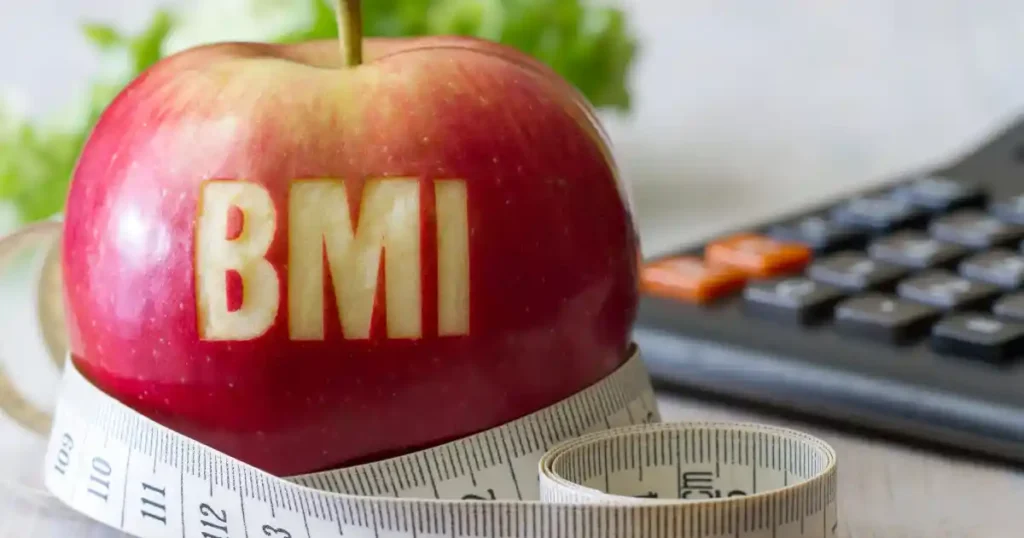
Honestly, the first time I used a BMI calculator, I thought I had my health figured out. I typed in my height and weight, got a number, and felt either relieved or frustrated depending on the week. But living in Phoenix and working closely with fitness coaches and health professionals, I quickly realized that the best alternative to a BMI calculator is not one single tool. It is a smarter combination of measurements that actually reflects how your body is doing. This guide walks you through everything I have learned, tested, and used myself so you can stop chasing a number that barely tells the full story.
Why BMI Is No Longer Enough
BMI is still printed on clinic intake forms across the country. But more and more health professionals are quietly moving past it. It is not that BMI is completely wrong. It is just that it is incomplete and in some cases, it can be flat-out misleading.
What BMI Actually Measures
BMI stands for Body Mass Index. The formula is simple: divide your weight in kilograms by the square of your height in meters. That number then places you into one of four categories underweight, normal, overweight, or obese.
The formula was created by a Belgian mathematician named Adolphe Quetelet in the 1830s. He was not studying individual health. He was studying population statistics. The number was never designed to measure a single person’s body fat, disease risk, or fitness level.
It became popular in healthcare largely because it is fast and free. Doctors can calculate it in seconds without any equipment. That convenience matters in a busy clinic. But convenience is not the same as accuracy.
Standard BMI ranges look like this:
| BMI Range | Category |
|---|---|
| Below 18.5 | Underweight |
| 18.5 – 24.9 | Normal Weight |
| 25.0 – 29.9 | Overweight |
| 30.0 and above | Obese |
The Biggest Problems With BMI
BMI does not measure body fat. It measures weight relative to height. Those are two very different things. A person who weighs 200 pounds could be carrying 15% body fat as a trained athlete or 40% body fat as someone who has not exercised in years. BMI would not tell you which is which.
Here are the biggest gaps in what BMI actually captures:
It ignores muscle mass entirely. Muscle is denser than fat. A muscular person will always weigh more than a lean-but-sedentary person of the same height. BMI punishes that.
It does not account for age. As people get older, they tend to lose muscle and gain fat even if their weight stays the same. A 60-year-old with a “healthy” BMI might have very little lean tissue left.
It does not consider ethnicity. Research shows that people of Asian descent face higher metabolic risk at lower BMI values. South Asian populations, for example, show elevated diabetes risk at a BMI of 23, not the standard 25. Many U.S. health organizations are still catching up to this data.
It fails women at key life stages. Pregnancy, postpartum recovery, perimenopause, and menopause all change body composition dramatically. BMI does not adjust for any of this. If you want to understand BMI for women specifically, standard BMI ranges leave out a lot of important context.
Real-Life Example: Why BMI Can Be Misleading
Let me give you two real-world pictures. First, imagine a 35-year-old woman who lifts weights four times a week, runs 5Ks on weekends, and eats well. Her BMI comes back at 27. According to the chart, she is “overweight.” That label can feel crushing even when her blood pressure, cholesterol, and energy levels are all excellent.
Now picture someone who never exercises, eats processed food daily, and has a sedentary desk job. Their weight is low enough that their BMI reads 22. “Normal.” But their body fat percentage is high, their waist circumference is expanding, and their metabolic health is quietly deteriorating.
This is what researchers call “skinny fat” a normal BMI hiding a problematic body composition. BMI simply cannot see it.
Expert Insight From a USA Health Professional
Dr. Fatima Cody Stanford, an obesity medicine specialist at Harvard Medical School, puts it clearly: BMI works well for studying populations in large datasets, but it lacks the resolution to evaluate an individual person’s actual health risks. More and more clinicians share this view. The limitations of BMI calculators are no longer a fringe opinion they are mainstream medical thinking.
What Makes a Better Alternative to BMI?
A good health measurement tool should do a few things well. It should reflect actual body composition, not just scale weight. It should account for where fat is stored, not just how much exists. And ideally, it should be something a regular person can use at home without a lab appointment.
Features of a More Accurate Health Measurement
The best alternatives to BMI share several qualities. They measure fat mass separately from lean mass. They capture fat distribution, since belly fat carries different risks than hip or thigh fat. Also, They are personalized by age, sex, and in some tools, ethnicity. And they are backed by peer-reviewed research, not just marketing claims.
A truly useful health calculator also supports tracking over time. One number on one day tells you almost nothing. A trend over three months tells you a lot.
Signs You Should Stop Relying Only on BMI
You exercise regularly and lift weights. Your BMI may overestimate your health risk.
Your waist is growing even though your weight is stable. BMI will miss this completely.
You are going through hormonal changes pregnancy, menopause, thyroid issues. BMI cannot account for how these shift your body composition.
You have health symptoms fatigue, blood sugar issues, joint pain that your “normal” BMI number seems to contradict. Your body is telling you something the chart cannot.
If any of these sound familiar, it is time to look at what makes a BMI calculator more accurate or explore the alternatives below.
Best Alternatives to BMI Calculator (Compared)
No single tool covers everything. Different measurements shine in different situations. Here is a clear comparison to help you choose what fits your life.
| Tool | Measures | Best For | Accuracy | Easy at Home? |
|---|---|---|---|---|
| Waist-to-Height Ratio | Fat distribution | Heart health | High | Yes |
| Body Fat Percentage | Actual fat mass | Fitness tracking | Very High | Moderate |
| Waist-to-Hip Ratio | Belly fat risk | Metabolic health | High | Yes |
| DEXA Scan | Full body composition | Clinical precision | Extremely High | No |
| Relative Fat Mass (RFM) | Body fat estimate | Everyday users | High | Yes |
| BAI Calculator | Hip circumference | Some body types | Moderate | Yes |
Healthcare professionals rarely rely on one measurement alone. They look at several data points together and build a clearer picture. The table above helps you identify which tools match your situation and goals.
Waist-to-Height Ratio (WHtR)
This is one of the simplest and most powerful measurements you can do at home. Many cardiologists and preventive medicine specialists now prefer it over BMI for assessing heart disease risk.
How Waist-to-Height Ratio Works
The formula is straightforward:
Waist-to-Height Ratio = Waist Circumference divided by Height
Both measurements should use the same unit either both in inches or both in centimeters. The result is a decimal number. The general rule that has emerged from research is simple: your waist should be less than half your height. That means a WHtR below 0.5 is the target for most adults.
Why WHtR Is Better Than BMI
Abdominal fat is the dangerous kind. Visceral fat the fat that wraps around your internal organs raises your risk of type 2 diabetes, cardiovascular disease, and metabolic syndrome. WHtR directly captures this risk in a way BMI never can.
Research published in multiple cardiology and epidemiology journals has found that WHtR outperforms BMI as a predictor of heart disease, hypertension, and early death especially in women. This is one reason fitness coaches in places like Denver and San Diego now use waist measurements as a standard part of wellness check-ins.
How to Measure Your Waist Correctly
Use a soft fabric tape measure not a metal one. Stand straight and relaxed. Find your natural waist: it sits just above your belly button and below your rib cage. Breathe out naturally, then measure. Do not suck in. Do not measure right after a big meal.
Getting this wrong is one of the most common mistakes people make with health calculators, which I will cover more at the end.
Ideal Waist-to-Height Ratio Ranges
| WHtR | Risk Level |
|---|---|
| Below 0.4 | Underweight risk |
| 0.4 – 0.49 | Healthy range |
| 0.5 – 0.59 | Increased risk |
| 0.6 and above | High risk |
Fitness coaches in Texas and California commonly include WHtR in their wellness assessments because it quickly identifies central fat accumulation without any expensive equipment.
Body Fat Percentage Calculator
Body fat percentage is arguably the most direct and informative measurement you can take. It separates your fat mass from everything else muscle, bone, water, organs and gives you a ratio that actually means something for your health and fitness.
What Is Body Fat Percentage?
Your body is made up of fat mass and lean mass. Lean mass includes muscle, bone, organs, and fluids. Body fat percentage tells you what portion of your total weight is fat.
This matters enormously for anyone who exercises. If you are building muscle while losing fat, the scale might barely move but your body fat percentage will drop. BMI cannot show that progress. Body fat percentage can. Athletes, personal trainers, and sports nutritionists rely on this metric constantly.
You can explore how BMI calculators with body fat percentage work together if you want a blended approach.
Common Ways to Measure Body Fat
Smart scales use bioelectrical impedance analysis (BIA). They send a small electrical current through your body and estimate fat based on resistance. They are convenient but can vary significantly based on hydration levels.
Skinfold calipers are used by fitness professionals to pinch and measure fat at specific body sites. In experienced hands, they are reasonably accurate.
The Navy body fat formula uses neck and waist measurements for men, and neck, waist, and hip measurements for women. It is free, fairly accurate, and easy to do at home.
DEXA scans (more on these below) are the gold standard for clinical precision.
Pros and Cons of Body Fat Calculators
Body fat tracking is more personalized than BMI. It shows real changes in composition, which helps with both fitness goals and medical monitoring. It is especially useful during muscle gain phases, when weight might go up even as fat goes down.
The downside is consistency. Cheap smart scales can swing by 3-5% depending on when you weigh yourself, how much water you have drunk, and even what the room temperature is. Sports nutritionists recommend tracking trends over weeks not reacting to a single day’s number.
Healthy Body Fat Percentage Ranges
| Category | Women | Men |
|---|---|---|
| Essential Fat | 10 – 13% | 2 – 5% |
| Fitness | 21 – 24% | 14 – 17% |
| Average | 25 – 31% | 18 – 24% |
| Obesity | 32% and above | 25% and above |
Sports nutritionists often combine body fat tracking with sleep quality, hydration habits, and strength trends rather than fixating on one weekly reading.
Relative Fat Mass (RFM) Calculator
RFM is relatively new, introduced in a 2018 study published in Scientific Reports. It was designed specifically to outperform BMI at estimating body fat using only two measurements height and waist circumference.
How Relative Fat Mass Works
The formula for men is:
RFM = 64 minus (20 multiplied by height divided by waist circumference)
The formula for women adds 12 to that result to account for naturally higher body fat percentages.
What makes RFM interesting is that researchers found it correlated more closely with DEXA scan results than BMI did using nothing but a tape measure. That is a meaningful finding.
Why Researchers Like RFM
RFM removes the weight variable entirely. This eliminates the muscle-mass problem that plagues BMI. Two people with the same height and waist measurement get the same RFM, regardless of how much they weigh. That is a fundamentally more honest approach to estimating fat.
Several research teams have now validated RFM across different ethnicities and age groups, which gives it broader clinical applicability than some older tools.
Who Should Use RFM
RFM is a great starting point for people who are beginning a weight loss journey and do not want to invest in smart scales or clinical testing yet. It is also useful for people tracking progress at home between doctor visits. All you need is a tape measure and your height.
Waist-to-Hip Ratio (WHR)
Where fat is stored on your body matters more than how much fat you have total. Waist-to-hip ratio captures this directly.
Why Fat Distribution Matters
Fat stored around your abdomen especially the deep visceral fat surrounding your organs is metabolically active in harmful ways. It releases inflammatory compounds, disrupts insulin signaling, and raises cardiovascular risk.
Fat stored around the hips and thighs, on the other hand, is mostly subcutaneous. It is less metabolically dangerous. In fact, some research suggests hip fat may even have a mild protective effect for cardiovascular health.
This is why two people with similar total body fat can have very different disease risk profiles. WHR captures that difference.
How to Calculate WHR
Waist-to-Hip Ratio = Waist Circumference divided by Hip Circumference
Measure your waist at the narrowest point above the navel. Measure your hips at the widest point across your buttocks.
Healthy WHR Ranges for Men and Women
For men, a WHR below 0.90 is considered healthy. A ratio between 0.90 and 0.99 indicates moderate risk. Above 1.0 is high risk.
For women, below 0.80 is healthy. Between 0.80 and 0.89 is moderate risk. Above 0.90 is high risk.
Women naturally carry more fat around the hips. This is why the thresholds differ by sex.
Limitations of WHR
WHR does not measure total body fat. A very lean person and a higher-fat person could have the same WHR if their fat distributes similarly. It is also less useful for very muscular individuals, since large gluteal muscles can lower the ratio even if abdominal fat is present.
Like all tools, WHR works best as part of a broader picture rather than a standalone judgment.
DEXA Scan: The Most Accurate BMI Alternative
If you want the clearest possible picture of your body composition, a DEXA scan delivers it. Dual-energy X-ray absorptiometry is the same technology used to measure bone density and it also maps fat and lean tissue throughout your entire body.
What a DEXA Scan Measures
DEXA gives you precise data on bone mineral density, total fat mass, total lean mass, and the regional distribution of each meaning you see exactly how much fat is in your trunk, arms, legs, and android region separately. This level of detail is not available from any at-home tool.
Why Athletes and Trainers Use DEXA
Athletes use DEXA to track muscle gain and fat loss with precision that no scale or formula can match. Trainers use it to set realistic goals based on actual starting body composition. Physical therapists use it during injury recovery to monitor muscle atrophy in specific limbs.
For anyone serious about fitness tracking or working with a sports dietitian, DEXA is the reference standard. If you are comparing BMI calculator options for athletes, DEXA is the benchmark everything else is measured against.
Downsides of DEXA Scans
Cost is the main barrier. A single DEXA scan typically runs between $50 and $150 at dedicated wellness clinics, though medical DEXA scans for bone density are often covered by insurance.
Availability varies by location. Major cities have several options. Rural areas may have none within a reasonable drive.
You also need an appointment, which adds planning friction for routine tracking. Most people who use DEXA do so two to four times per year, not weekly.
What a Real DEXA Appointment Feels Like
You lie flat on a padded table. The scan arm passes slowly over your body. The whole process takes about 10 to 20 minutes. There is no enclosed tunnel, no loud sounds, and almost no preparation required just avoid strenuous exercise the day before.
The room is typically cool and quiet. Wear comfortable, loose-fitting clothing with no metal. And yes, bring socks if the room tends to be cold it usually is.
Which BMI Alternative Is Best for You?
There is no single right answer for everyone. Your goals, lifestyle, and access to tools all matter.
Best Option for Weight Loss
Waist-to-height ratio and RFM are the most practical choices. They are free, require only a tape measure, and track the kind of fat abdominal that most directly responds to lifestyle changes. Watching your WHtR drop over several months is far more motivating than watching a BMI number that barely moves.
Pairing these with a consistent BMI calculator for weight loss planning can help you set starting benchmarks and realistic goals.
Best Option for Athletes
Body fat percentage via DEXA or professional skinfold testing is the standard. Athletes need to know their lean mass, not just their weight or height ratio. A drop in muscle mass during a competition season matters enormously BMI and WHtR cannot show it. Body fat percentage can.
Best Option for Everyday Health Tracking
Waist measurements are unbeatable for daily or weekly home tracking. They require no equipment beyond a tape measure, they do not fluctuate with hydration, and they directly capture the fat type most associated with metabolic disease. WHtR and WHR together give you a remarkably clear snapshot of metabolic risk.
Best Option for Older Adults
As we age, the priority shifts from aesthetics to function maintaining muscle mass, bone density, and metabolic health. DEXA is genuinely valuable here because it tracks muscle and bone together. For home-based tracking, body fat percentage using the Navy formula is accessible and meaningful for older adults managing weight and strength simultaneously.
You might also want to look at BMI calculators for seniors that account for age-related changes in body composition.
How Doctors and Trainers Actually Assess Health Today
Modern health assessments are not built around one number. A thoughtful clinician whether a physician, a nurse practitioner, or a certified personal trainer pulls data from multiple sources before making any recommendation.
Measurements Professionals Combine
Blood pressure tells you about cardiovascular stress. Fasting blood sugar tells you about insulin response. A lipid panel reveals cholesterol balance. Waist circumference captures central fat accumulation. A fitness assessment or VO2 max test shows cardiorespiratory capacity.
No single one of these tells the full story. Together, they paint something close to a complete picture.
Why Lifestyle Matters More Than One Number
Here is what I have seen working alongside health professionals: the people who make lasting changes are not the ones who obsess over their BMI or body fat percentage. They are the ones who sleep consistently, manage stress, move their bodies daily, and eat in a way that fuels them without making them feel deprived.
These habits show up in every measurement blood pressure, blood sugar, waist circumference, energy levels, and yes, body fat. Chasing one number while ignoring the rest is like polishing one window in a house that needs new plumbing.
Small Habit Changes That Matter More Than BMI
A 20-minute walk after dinner lowers blood sugar and improves metabolic health measurably. Getting enough protein at each meal supports muscle retention especially important for people over 40. Two strength training sessions per week, even short ones, change body composition over months. Cutting sugary drinks is often the single fastest dietary change for reducing visceral fat.
These are not headline-grabbing interventions. But the data behind them is very consistent. And none of them require you to know your BMI.
Common Mistakes People Make With Health Calculators
I have made some of these myself. Most people have.
Measuring Waist Incorrectly
Pulling the tape too tight, measuring over clothing, measuring at the wrong spot, or holding your breath and sucking in all of these will give you a number that is not real. Your waist measurement should be taken in a relaxed state, over bare skin, at the right anatomical location. Consistency matters more than anything else. Measure the same way every time.
Comparing Yourself to Athletes Online
Social media is filled with physique athletes who have spent years optimizing their body composition under professional supervision. Comparing your waist-to-height ratio or body fat percentage to someone who trains six hours a day for a living is not useful. Your baseline is your baseline. Track your own progress.
Ignoring Strength and Energy Levels
If you feel strong, sleep well, carry groceries without pain, and have energy through the day that is health data. A calculator that gives you an “elevated risk” number does not override how your body actually functions. Use measurements as guides, not verdicts.
Taking Smart Scale Numbers Too Seriously
Bioelectrical impedance scales can vary by 3 to 5 percentage points based on hydration, time of day, and even room temperature. Track weekly averages, not individual readings. If you step on the scale after a long flight and your body fat reads 5% higher than last week, that is water retention not five pounds of sudden fat gain.
Checking Progress Too Frequently
Daily weigh-ins and daily measurements create noise, not insight. For most people, checking body composition every two to four weeks gives a clearer picture of real trends. The body changes slowly. The measurements need time to reflect that.
Frequently Asked Questions
What is the most accurate alternative to BMI?
DEXA scanning is the most accurate tool available for body composition analysis. For everyday home use, body fat percentage using the Navy method or a quality smart scale is the next best option. For pure cardiovascular disease risk prediction, waist-to-height ratio has strong research support.
Is waist-to-height ratio better than BMI?
In many clinical studies, yes. WHtR more directly captures visceral fat accumulation, which is the type most associated with diabetes, heart disease, and metabolic syndrome. It also avoids the muscle-mass problem that inflates BMI for athletic individuals. For a deeper comparison, exploring advanced BMI calculator alternatives versus basic versions can help you understand where WHtR fits.
Can BMI be wrong for muscular people?
Yes, consistently. Since muscle weighs more than fat per unit of volume, muscular individuals often test as “overweight” or even “obese” by BMI standards. NFL players, competitive powerlifters, and bodybuilders routinely have BMIs over 30 with very low body fat percentages. This is one of the most well-documented failures of the BMI system.
What body fat percentage is healthy?
For women, the fitness range is roughly 21 to 24%. The average healthy range extends to about 31%. Below 10% is considered essential fat only difficult to maintain and potentially risky. For men, 14 to 17% is fitness range, with healthy average up to about 24%. These ranges shift slightly with age.
Do doctors still use BMI?
Yes, but with growing caveats. BMI is still used in insurance calculations, population health studies, and as a quick clinical screening tool. But many clinicians now supplement it with waist measurements, body fat assessment, and metabolic markers. Some medical organizations have formally updated their guidance to acknowledge BMI’s limitations, particularly for diverse populations.
Is there a free alternative to BMI calculators?
Several. Waist-to-height ratio and waist-to-hip ratio require only a tape measure and your height both free. The Navy body fat formula is also free and only requires basic measurements. The RFM formula uses height and waist size and can be calculated on paper. You can also look at free versus paid BMI calculators to see how these compare to more advanced digital tools.
Final Recommendation
After years of using different health measurement tools, reading the research, and talking with doctors, coaches, and real people trying to take care of themselves, here is what I genuinely recommend.
Start with your waist-to-height ratio. It is free, fast, and surprisingly predictive. If your waist is more than half your height, that is the signal to pay attention regardless of what your BMI says. This single measurement has better clinical support for cardiovascular risk prediction than BMI does.
Add body fat percentage tracking if you exercise regularly. You do not need a DEXA scan to start. The Navy formula is free and reasonably accurate. A mid-range smart scale works fine as long as you track trends rather than individual readings. If you want more precision, consider a DEXA scan once or twice a year many wellness clinics across the U.S. now offer them without a doctor’s referral.
Use WHR if you are specifically monitoring metabolic syndrome risk or recovering from a period of significant weight gain. It gives you an extra data point on fat distribution that neither BMI nor WHtR captures alone.
And please include the lifestyle metrics. How you sleep. How you move. And How your energy holds up through the day. How your strength is trending. These are not soft data. They are the outputs your body produces when the underlying systems are working well. No calculator captures them. But you feel them.
BMI is not the enemy. It is just one data point from a 200-year-old formula that was never designed for what we are asking it to do. The best alternative to a BMI calculator is not another single number it is a smarter, more complete way of paying attention to your body.
You deserve measurements that actually see you.
For more tools, guides, and context on body composition tracking, explore body composition resources for women and check out how BMI changes at every life stage because your body does not stay the same, and your health tools should not either.

Shakitul Alam is the CEO, Owner, and Co-founder of BMI Calculator Women AI. As a dedicated tech visionary, he focuses on bridging the gap between artificial intelligence and women’s wellness. Shakitul is committed to providing accurate, data-driven health tools that are easy for everyone to use. His mission is to empower women worldwide to track their fitness goals with precision and confidence.