Trying to figure out the difference between a BMI calculator vs calorie tracker app sent me down a rabbit hole I was not expecting. Both tools show up in every weight loss conversation. Both claim to help you reach your health goals. But after years of testing tools, tracking data, and watching people in Denver start and quit health routines, I can tell you clearly: these two tools do very different jobs. One gives you a number. The other helps you change daily behavior. Knowing which one you need right now — and when to use both together — is exactly what this guide covers.
What Is a BMI Calculator?
A BMI calculator is one of the fastest health tools online. You type in your height and weight. It spits out a number. The whole process takes less than 20 seconds.
Despite its simplicity, BMI still shows up in hospitals, insurance forms, and doctor visits across the USA. It has been used for decades as a population-level screening tool. And for most beginners starting a health journey, it is often the first number they look at.
The reason BMI stuck around is practical. It requires no equipment, no blood draw, and no clinic visit. You can calculate it from your couch at midnight if you want. That accessibility is genuinely valuable for initial health awareness.
How BMI Is Calculated
BMI stands for Body Mass Index. The formula divides your weight in kilograms by the square of your height in meters:
BMI = weight (kg) divided by height (m) squared
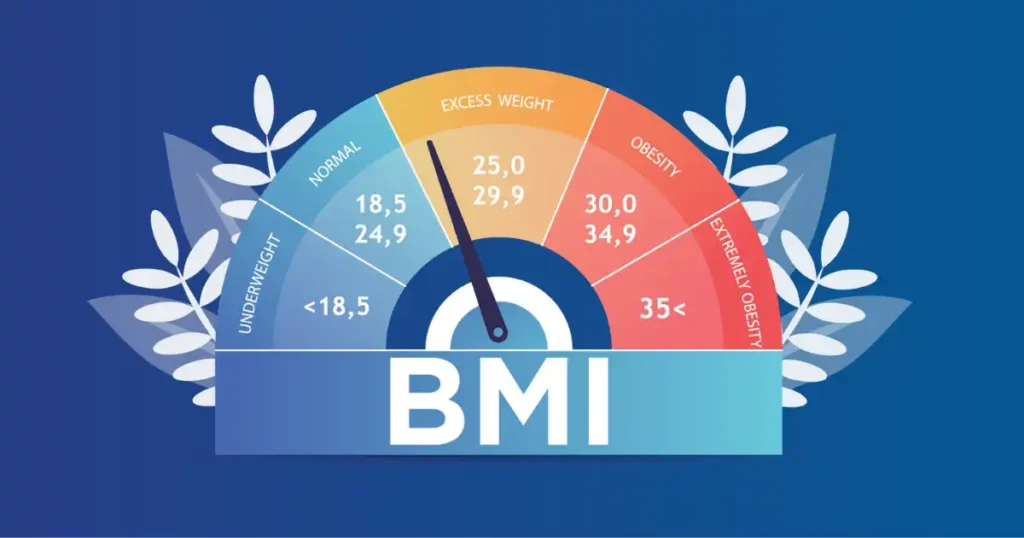
If you prefer pounds and inches, most online calculators handle the conversion automatically. The result is a single number that places you in one of four standard categories.
One important note: the formula treats everyone the same regardless of how their weight is distributed. A 190-pound marathon runner and a 190-pound sedentary office worker will have the exact same BMI, even though their health situations look nothing alike. This is one of the most talked-about limitations of the formula, and I will cover it in more detail shortly.
For athletes, people who strength train, or anyone with above-average muscle mass, BMI numbers often look misleadingly high. This is not a flaw in your body. It is a limitation of a formula that was designed for population data, not individual health assessment.
Common BMI Categories
Doctors in cities like Dallas or Seattle still use BMI because it gives a quick screening snapshot. But it is not the whole story, and most fitness coaches will tell you that immediately.
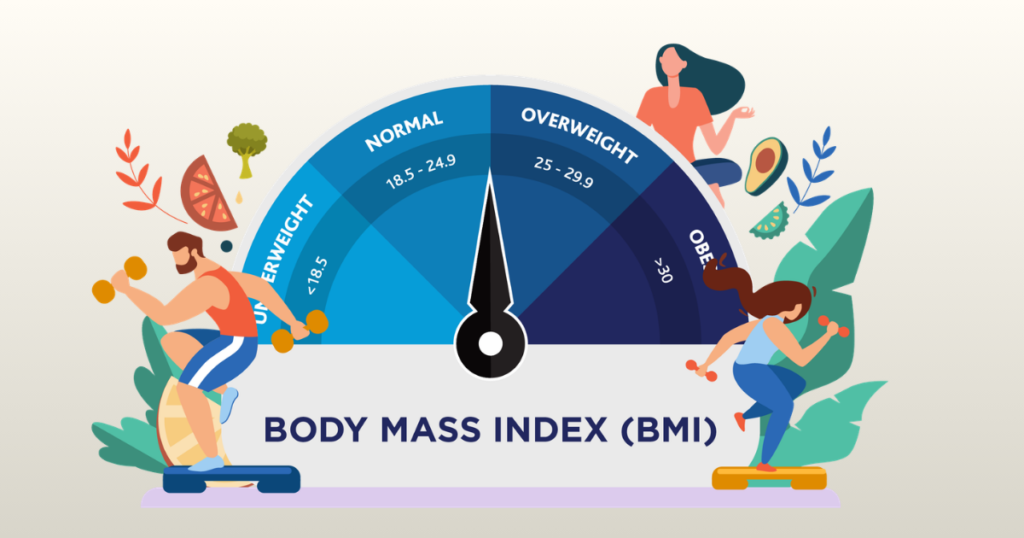
| BMI Range | Category | Typical Health Interpretation |
|---|---|---|
| Below 18.5 | Underweight | Possible nutrition deficiency |
| 18.5 to 24.9 | Healthy Weight | Lower general health risk |
| 25 to 29.9 | Overweight | Increased risk factors |
| 30 and above | Obesity | Higher chronic disease risk |
These categories come from the World Health Organization and are widely used in clinical settings. They are useful for spotting broad trends in large populations. For an individual person, they provide a starting reference, not a final verdict.
Pros of Using a BMI Calculator
BMI calculators have real strengths that often get overlooked in online debates:
- They are extremely fast. You get a result in seconds with no setup required.
- They are free on every major health platform.
- They are useful for population-level health screening and research.
- They give beginners a clear, simple entry point into health tracking.
- They help identify broad weight trends over long periods of time.
- They require no special equipment or technical knowledge.
For someone who has never tracked any health metric before, BMI is a reasonable place to start. It answers a basic question: is my weight in a healthy range relative to my height?
Limitations of BMI Calculators
Here is where I have to be honest, because I have seen people make poor decisions based on BMI alone.
BMI does not measure body fat directly. It only uses weight and height. That means it cannot distinguish between muscle mass and fat tissue. A muscular person and an overweight person of the same height can have identical BMI scores even though their actual health situations are completely different.
BMI also ignores age, sex, ethnicity, and body composition. Research published in PLOS ONE found that BMI misclassifies the health status of nearly one in three people when compared to direct body fat measurement. That is a significant error rate for a tool that gets treated as a health benchmark.
Other key limitations include:
- No measurement of body fat distribution (belly fat vs overall fat matters a lot for disease risk)
- No guidance on eating behavior or daily habits
- No tracking of progress over time
- No actionable steps for improving your health
BMI tells you where you are. It does not tell you how to get anywhere different.
To understand exactly where BMI falls short and what more accurate options exist, the detailed guide on BMI calculator limitations explained covers this thoroughly.
Who Should Use a BMI Calculator?
BMI calculators are genuinely useful for specific groups:
- Beginners starting a weight loss journey who need a quick baseline
- People preparing for a healthcare screening or insurance assessment
- Adults wanting to monitor general weight trends over years
- Anyone needing a fast, free starting point before consulting a doctor
- Public health researchers working with population-level data
If you fall into one of these categories, a BMI calculator makes sense as a starting tool. Just do not stop there.
What Is a Calorie Tracker App?
A calorie tracker app helps you log meals, count calories, monitor macronutrients, and understand your daily eating patterns over time.
Unlike a BMI calculator, a calorie tracker app focuses entirely on behavior. It shows patterns. The late-night snack that turned into three. The coffee drink with 400 hidden calories. The “light lunch” that actually hit 900 calories once you logged the dressing. Calorie tracker apps make invisible habits visible.
This is the core reason they work for long-term weight management. You cannot change what you cannot see.
How Calorie Tracking Apps Work
Most calorie tracker apps are built around a central food database containing millions of items. You search for what you ate, enter the portion size, and the app logs the calories and macronutrients automatically.
Modern apps have added barcode scanning, which makes logging packaged foods nearly instant. You scan the barcode on a yogurt container or a protein bar and the nutritional data fills in automatically.
Most apps also let you set a daily calorie goal based on your weight, height, age, activity level, and health goal. The app then shows you a running total throughout the day so you can see how much room you have left.
Activity syncing is another key feature. If you connect the app to a smartwatch or fitness tracker, it adjusts your daily calorie budget based on how much you moved. On a day where you walked five miles, your calorie allowance goes up. On a desk day, it stays lower.
Popular Calorie Tracker Apps in the USA
Nutrition coaches often recommend trying two apps before committing. Interfaces matter more than people think. If logging meals feels annoying by Day 3, consistency disappears fast.
| App | Best For | Standout Feature |
|---|---|---|
| MyFitnessPal | Beginners | Massive food database with over 14 million items |
| Lose It! | Weight loss focus | Clean interface and easy setup |
| Cronometer | Advanced nutrition | Detailed micronutrient tracking |
| Lifesum | Lifestyle-based plans | Personalized meal recommendations |
Each of these apps approaches calorie tracking from a slightly different angle. MyFitnessPal excels in database size. Cronometer goes deeper into vitamins and minerals. Lifesum emphasizes lifestyle patterns over strict calorie math. The best one is whichever you will actually open every day.
Benefits of Using a Calorie Tracker App
The benefits of consistent calorie tracking go well beyond just counting numbers:
- Builds genuine awareness of eating habits that are easy to overlook
- Helps create and maintain a sustainable calorie deficit for fat loss
- Tracks macronutrients (protein, carbs, fat) for muscle building goals
- Creates accountability through daily logging habits
- Provides long-term data to spot patterns and make smarter adjustments
- Connects eating behavior to weight changes over weeks and months
A 2019 study in the journal Obesity found that people who logged their food consistently lost significantly more weight than those who tracked infrequently, even when both groups followed the same diet plan. The act of tracking itself drives behavior change.
Downsides of Calorie Tracker Apps
No tool is perfect. Calorie tracker apps come with real drawbacks worth knowing:
Food logging can feel repetitive, especially after the initial motivation wears off. Most people log diligently for a few weeks and then gradually stop.
Food databases contain user-submitted entries, which means some nutritional data is inaccurate. Restaurant items are particularly unreliable because portion sizes vary significantly.
For some people, especially those with a history of disordered eating, obsessive calorie tracking can become unhealthy. Focusing intensely on numbers can lead to anxiety around food rather than a balanced relationship with eating.
Calorie tracking also requires real consistency to produce useful data. One or two days of logging tells you almost nothing. Weeks and months of consistent data start to show meaningful patterns.
Best Users for Calorie Tracker Apps
Calorie tracker apps work best for:
- People actively working toward a specific weight loss or gain goal
- Gym-goers who want to hit daily protein and macro targets
- Athletes managing nutrition for performance
- Anyone who suspects their eating habits are inconsistent or unclear
- Users who want data-driven insights into their daily nutrition
If you want to go deeper on which apps deliver the most accurate health tracking, the review of BMI calculator apps for accurate health tracking breaks down what to look for.
BMI Calculator vs Calorie Tracker App: Key Differences
This is where most users get stuck. One tool measures a health indicator. The other helps change habits. They overlap slightly, but they are not competitors in the way some wellness creators online claim.
From a usability standpoint, BMI tools are “check and go.” Calorie trackers are more like digital food journals with analytics attached.
Quick Comparison Table
| Feature | BMI Calculator | Calorie Tracker App |
|---|---|---|
| Purpose | Weight status estimate | Food and calorie monitoring |
| Time Required | Seconds | Daily logging |
| Accuracy Level | Broad estimate | Depends on user consistency |
| Tracks Habits | No | Yes |
| Best For | Quick assessments | Long-term health goals |
| Cost | Usually free | Freemium or subscription |
| Data Depth | Minimal | Detailed nutrition insights |
| Behavioral Guidance | None | Yes, through pattern recognition |
The key takeaway from this comparison is that they operate at different levels. BMI is a one-time snapshot. Calorie tracking is an ongoing behavioral practice. If you are serious about changing your health, you will eventually need both.
Which Tool Is Better for Weight Loss?
For actual weight loss, calorie tracking wins. Not because BMI is useless, but because weight loss is fundamentally a behavioral outcome, and calorie trackers work directly on behavior.
Here is how I think about it: BMI gives you a starting point. It tells you that yes, you are in the overweight category. That information is useful. But knowing you are overweight does not make you eat differently. Seeing exactly how many calories are in your usual lunch, every day for a week, often does.
Research consistently shows that people who track their food intake lose more weight and maintain that loss longer than people who rely on memory and estimation alone. The act of logging makes you conscious of choices you would otherwise make automatically.
That said, sustainable weight loss is not about achieving a perfect calorie number every single day. It is about building habits that put you in a modest deficit over time. A 300 to 500 calorie daily deficit tends to produce steady, maintainable fat loss without triggering the metabolic slowdown that comes with extreme restriction.
For a practical look at how to set realistic weight loss goals using both tools together, the guide on best BMI calculator for weight loss planning and goal setting walks through the process step by step.
Which Tool Is More Accurate?
Neither tool is perfectly accurate, but for different reasons.
BMI accuracy is limited by what it cannot measure: muscle mass, fat distribution, bone density, and metabolic health. As discussed earlier, it misclassifies a meaningful percentage of individuals when compared to clinical body composition testing.
Calorie tracker accuracy depends almost entirely on user behavior. The food database might be precise, but if you estimate your portion sizes, skip logging occasional snacks, or do not account for cooking oils and sauces, your logged calorie total can be off by several hundred calories per day.
Research from Stanford has shown that people tend to underestimate their calorie intake by 20 to 40 percent. This is not deliberate deception. It is just how human memory and perception work. We genuinely misjudge portion sizes.
The honest answer is that both tools produce estimates. What matters more than precision is consistency. Track the same way, at the same time of day, using the same methods, and the trends you see over weeks and months will be far more useful than any single accurate reading.
Which Tool Is Easier to Use?
BMI calculators win on ease, without question. You enter two numbers and you are done. There is no ongoing commitment, no daily habit to maintain, and no learning curve.
Calorie tracker apps require more from you. The first few days involve setting up your profile, learning the interface, and getting used to logging before and after meals. For many people, this initial friction is what kills the habit before it starts.
The apps that survive past day 10 are the ones with the simplest logging experience. One-tap recent foods, reliable barcode scanning, and a clear daily summary without cluttered dashboards. If an app makes you work too hard to log a banana, you will stop logging bananas, then stop logging everything else.
User fatigue is real. I have watched people abandon calorie tracker apps that were technically more accurate than competitors simply because logging felt like a chore. Simplicity drives consistency, and consistency drives results.
If you are weighing whether a dedicated app or a standard website tool serves your needs better, the comparison of BMI calculator app vs website covers the practical differences in usability.
Which Tool Helps Build Better Habits?
Calorie tracker apps are far more effective at habit building than BMI calculators. This comes down to psychology.
Awareness is the first step in behavior change. When you log every meal, you stop eating on autopilot. You start noticing that the morning coffee has 380 calories. That the “healthy” granola bar has 32 grams of sugar. That your dinner portions have been gradually growing over months.
Calorie tracking also creates what behavioral scientists call a “feedback loop.” You make a choice, log it, see the impact, and adjust. Over time, this loop rewires eating habits without requiring willpower at every meal. You start making better choices automatically because you have internalized what different foods cost.
Meal timing patterns become visible through tracking too. Many people discover they eat very little during the day and compensate heavily at night. This pattern, called front-loading restriction and back-loading consumption, is one of the most common barriers to weight loss. A calorie tracker makes it undeniable.
Emotional eating patterns also surface through consistent logging. When stress triggers a late-night snack session, the data is right there in the app. That visibility creates the opportunity for reflection and change in a way that a BMI number never could.
Expert Advice From Nutrition Professionals
Many U.S. dietitians now recommend combining quick body metrics with long-term nutrition tracking instead of relying on one tool alone.
Registered Dietitian Insight
“BMI can start the conversation, but calorie tracking often changes behavior,” says Maya Feller, a U.S.-based registered dietitian nutritionist known for her evidence-based and culturally inclusive approach to nutrition.
This framing captures exactly how these tools work in practice. BMI creates awareness of a problem. Calorie tracking provides the mechanism to address it. They are sequential, not competing.
What Fitness Coaches Usually Recommend
Personal trainers and fitness coaches tend to follow a practical progression when clients are just getting started:
Start simple with a BMI check. It gives clients context and a reference point without overwhelming them with data.
Add calorie tracking gradually, starting with just one meal per day. Logging every single thing you eat from day one is overwhelming for most people. Easing into it builds the habit without triggering burnout.
Avoid extreme calorie deficits. Most fitness coaches I have spoken with recommend keeping deficits at or above 80 percent of BMR. Eating too far below your basal metabolic rate leads to muscle loss, fatigue, and metabolic adaptation that makes future weight loss harder.
Focus on protein, sleep, and hydration alongside calorie tracking. These three factors have the largest non-calorie impact on body composition and energy. Hitting a calorie target while sleeping five hours a night and eating minimal protein produces far worse results than the same calorie target with adequate sleep and a high-protein diet.
Why Sustainable Habits Beat Short-Term Motivation
Here is something I have watched play out dozens of times. Someone gets fired up in January. They download three apps, start tracking every calorie, do daily weigh-ins, and commit to six gym sessions a week. By February they have abandoned everything.
This is the New Year resolution cycle, and it applies to health tools too. The issue is not the tools. It is the expectation that motivation alone will carry a new habit through the hard parts.
Sustainable health habits are built on systems, not feelings. A calorie tracker app that you open once a day for 10 minutes is more valuable than a premium app you use intensely for two weeks and then never open again.
The “Healthy Monday” cycle is another pattern I see often. Perfect eating Sunday through Thursday, then a Friday and Saturday that erase most of the week’s progress. Calorie tracking helps you see this pattern clearly, which is the first step to breaking it.
Someone grabbing a breakfast burrito on a rushed Houston morning probably needs practical tracking habits more than complicated health formulas. Real tools for real life beat ideal tools you never actually use.
For women specifically, understanding how to build sustainable tracking habits across different life stages makes a significant difference. The guide on strategic weight management for women covers this from a practical, science-backed perspective.
When to Use Both Tools Together
I am a firm believer that the BMI calculator vs calorie tracker app debate is a false choice for most people. The real question is when to use each one and how they complement each other.
The Two-Stage Approach
Stage one is assessment. Use a BMI calculator to understand where you currently stand. This gives you a clear starting reference and helps you set a realistic goal. If your BMI is 28, you know you are in the overweight range. If it is 22, you are in the healthy range. That context matters.
Stage two is action. Once you have your baseline, start logging food with a calorie tracker app. This is where behavior change actually happens. You cannot act on a BMI number alone. You can act on seeing that your daily calorie intake is 600 calories above your maintenance level.
Using BMI to Set Realistic Goals
Your BMI range can guide your weight loss targets. If you are currently at BMI 29 and want to reach BMI 24, you can calculate the weight difference and set a realistic timeline. Losing one to two pounds per week is a commonly recommended and sustainable rate. That means a 25-pound loss takes three to six months of consistent effort.
Setting this kind of goal-informed timeline prevents the unrealistic expectations that cause most people to quit. When you know a healthy goal takes months rather than weeks, you build systems for the long haul instead of looking for shortcuts.
Combining Both for Better Body Composition Results
The most powerful approach I have seen is using a BMI calculator for broad progress checkpoints and a calorie tracker for daily execution.
Check BMI once a month to see if you are moving in the right direction. Log food daily to make sure your habits are supporting that movement. The monthly BMI check keeps the big picture in view. The daily logging keeps behavior on track.
This combination also helps you understand what is actually happening when the scale stalls. A calorie tracker might reveal that your portions have been creeping up over the past two weeks. A BMI check might show that your weight has stayed flat but your measurements have changed, suggesting body composition is improving even without scale movement.
For a comprehensive comparison of how different BMI tools stack up when used alongside other health trackers, the overview of top rated BMI calculator tools gives a detailed breakdown of the best options available.
Common Mistakes People Make With Both Tools
Years of watching people use health tools has shown me a few patterns that consistently hold people back.
Treating BMI as a Diagnosis
BMI is a screening tool. It was designed for population research. Using it to make strong conclusions about your personal health is like using a general weather forecast to plan every minute of your outdoor event.
A BMI in the overweight category does not mean you are unhealthy. A BMI in the normal range does not mean you are healthy. Body composition, metabolic health markers, blood pressure, blood sugar, and dozens of other factors paint a more accurate picture of your actual health status.
Logging Food Inconsistently
Inconsistent logging produces misleading data. If you track diligently on weekdays but not on weekends, you are missing the days when most people exceed their calorie targets. If you skip logging a meal because it was “bad,” you are selecting for the data that confirms what you want to believe rather than what is actually happening.
The value of a calorie tracker comes from complete, honest data. Log the pizza. Log the birthday cake. Log the handful of chips from your coworker’s desk. That data is not shameful. It is information.
Switching Tools Too Often
This one is common among people who are genuinely motivated but have not found what works yet. They try a BMI tool, switch to a calorie app, add a macro tracker, download a hydration reminder, and then burn out managing five different health tools at once.
Pick one calorie tracker app and use it consistently for at least six weeks before evaluating whether it is working. Six weeks of data is the minimum needed to see meaningful patterns. One week of data tells you almost nothing.
Ignoring the Non-Calorie Factors
Calorie tracking and BMI checks are two useful tools in a larger health system. Sleep, stress, hydration, and movement outside of formal exercise all have significant effects on weight and body composition.
Research from the University of Chicago found that sleep-deprived dieters lost 55 percent less fat than those who slept adequately, even when both groups consumed the same calories. Sleep is not a bonus feature of a health plan. It is a core component.
For a broader view of body health that goes beyond what both BMI and calorie tracking can measure, the guide on understanding body composition explains the full picture of what actually drives health outcomes.
BMI Calculator vs Calorie Tracker App for Specific Goals
Different health goals call for different tool emphasis. Here is how I think about matching tools to goals.
For Weight Loss
Calorie tracker app is your primary tool. BMI gives you context but calorie tracking drives the actual behavior change. Focus on maintaining a 300 to 500 calorie daily deficit from your TDEE. Check BMI monthly to track directional progress.
For Muscle Gain
A calorie tracker app with macro tracking is essential. You need to hit a calorie surplus and specific protein targets to build muscle effectively. BMI will likely stay the same or go up slightly during a muscle gain phase, which is expected and healthy. Do not use BMI to judge progress during this phase.
For General Health Maintenance
Both tools work well in a light maintenance mode. Check BMI every one to two months as a quick reference. Use a calorie tracker two or three days per week to stay aware of eating habits without the commitment of daily logging.
For Athletes and Active Individuals
Calorie tracker apps with activity syncing and detailed macro tracking are the most useful. Standard BMI calculations are particularly unreliable for athletes because muscle mass skews the results significantly. The best BMI calculator for athletes covers tools that account for athletic body composition more accurately.
Final Recommendation
After years of personally testing health tracking tools and watching real people use them with varying levels of success, here is where I land on the BMI calculator vs calorie tracker app debate.
Start with a BMI calculator. It takes 20 seconds, it is free, and it gives you an honest starting reference. Use it to understand where you are right now and where you want to go.
Then add a calorie tracker app within the first week. Not because BMI is useless, but because sustainable progress requires behavioral change, and calorie tracking is the most evidence-backed tool for building nutritional awareness.
My personal recommendation for most beginners is Calculator.net for the initial BMI and TDEE assessment, then MyFitnessPal or Cronometer for daily calorie and macro tracking. If you prefer a more fitness-focused approach, the Legion Athletics calculator gives better detail for people who train regularly.
The combination of a clear health benchmark and consistent behavioral tracking is more powerful than either tool alone. BMI shows you the gap. Calorie tracking helps you close it.
Do not fall into the trap of over-optimizing your tools. The best health tracking system is the one you will actually use tomorrow morning, the morning after that, and three months from now when the initial motivation has settled into routine.
Track consistently. Recalculate periodically. Adjust when the data tells you something is not working. And please, ignore any app that promises dramatic results in two weeks. Your body runs on consistent habits, not shortcuts.
If you want to keep building on this foundation, I recommend exploring the full comparison of free vs advanced BMI calculators to find the right tool level for where you are right now.
Frequently Asked Questions
Which is better: a bmi calculator vs calorie tracker app?
Both tools are great for your health. A calculator shows if your total weight is in a safe range. An app tracks the food you eat each day. Using both helps you hit your fitness goals fast.
How does a BMI tool help your weight loss journey?
This tool uses your height and weight to find your body score. It tells you if you are on track or need a change. It gives you a clear starting point for a brand new diet plan.
Why should you download a daily calorie tracker app?
A tracker app counts the energy in your meals. It shows how much you eat and drink every day. This makes it very easy to choose healthy foods and control your portion sizes at dinner.
Can you use a weight tracker and food log together?
Yes, they work great as a team. The weight tool sets a clear target for your body. The food log helps you manage your meals to reach that goal. Check them out to see how they fit your life.
What is the main limit of a standard BMI tool?
A basic tool only looks at total weight and height. It does not know how much muscle or fat you have. Active people often use a food log app alongside it to get a truer view of health.
Do food logging apps count your daily exercise?
Many top apps track both your food and your workouts. They show how many calories you burn when you run or walk. This gives you a complete picture of your daily energy and health.
How do you pick the right wellness tool for you?
Pick a tool based on what you need right now. If you want a quick health check, use a body size tool. If you want to log every single meal, try an interactive mobile app today.

Shakitul Alam is the CEO, Owner, and Co-founder of BMI Calculator Women AI. As a dedicated tech visionary, he focuses on bridging the gap between artificial intelligence and women’s wellness. Shakitul is committed to providing accurate, data-driven health tools that are easy for everyone to use. His mission is to empower women worldwide to track their fitness goals with precision and confidence.