
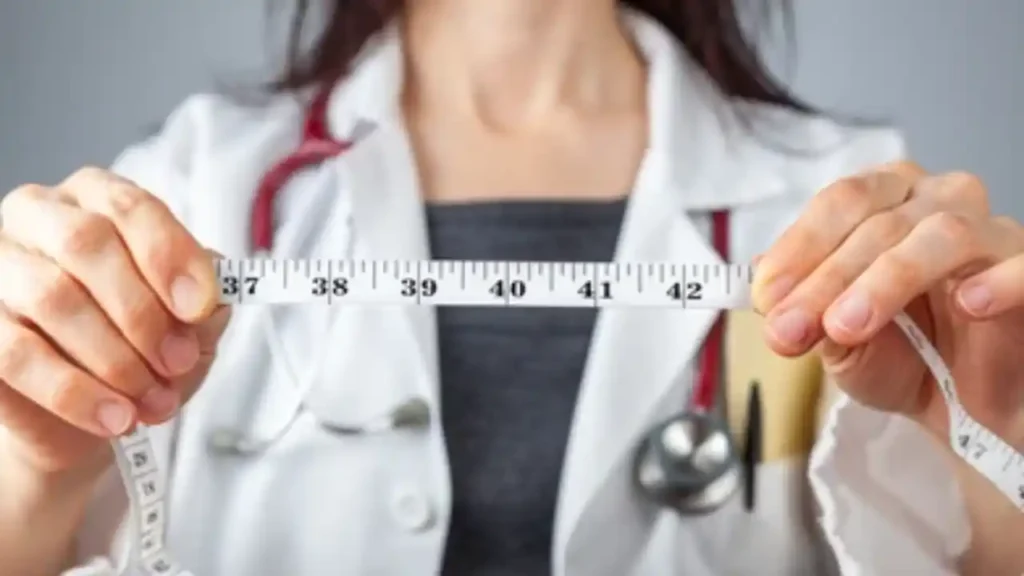
Growing up in Denver, Colorado, I never thought much about BMI. Then a routine checkup changed things. My doctor mentioned my BMI in passing, and I walked out of that office confused and a little worried. Sound familiar? This guide to BMI for women is everything I wish someone had handed me that day. It goes past the basic formula. It covers hormones, body composition, life stages, and how to use BMI as a real health tool, not a label that makes you feel bad about yourself.
What BMI Really Means for Women’s Health
BMI sounds like a simple number. But for women, it works a little differently. Your hormones, body fat distribution, and the stage of life you are in all change how that number should be read. I have seen women with the same BMI look and feel completely different. That told me right away that the number alone means very little without context.
Quick Definition of Body Mass Index (BMI)
BMI stands for Body Mass Index. The formula is your weight in kilograms divided by your height in meters squared. The World Health Organization uses it as a global screening tool. It is not a diagnosis. It is a starting point. Think of it like a check engine light. It tells you to look closer, not that your engine is already broken.
Why BMI Was Created and Who Uses It Today
BMI was originally developed in the 1800s for population studies, not individual health assessments. Today, clinics, fitness apps, insurance companies, and digital health tools all use it. The Centers for Disease Control and Prevention publishes reference ranges that doctors rely on during routine visits. That said, most good doctors I have spoken with treat it as one data point among many, never the final word.
Why Women Should Interpret BMI Differently Than Men
Women naturally carry more body fat than men. This is biology, not a flaw. Hormones like estrogen influence where fat is stored and how much of it exists. Women also go through phases like menstruation, pregnancy, and menopause that shift weight and body composition significantly. Fat distribution in women tends to collect around the hips and thighs, which is metabolically different from belly fat. All of this means a single BMI chart built for a general population does not perfectly fit a woman’s body.
BMI Categories for Women With Real Context
BMI ranges offer a useful frame of reference. But they do not tell the full story on their own. Here is what those numbers actually mean in real life for women.
Standard BMI Chart for Adult Women
Before jumping into interpretation, here is a quick expert-backed reference table many clinicians use during checkups.
| BMI Range | Category | What It Often Means for Women |
|---|---|---|
| Below 18.5 | Underweight | Possible nutrient deficiency or hormonal imbalance |
| 18.5 to 24.9 | Healthy | Generally balanced weight for height |
| 25 to 29.9 | Overweight | May need lifestyle assessment |
| 30 and above | Obesity | Higher risk of metabolic conditions |
This table reflects clinical screening tools used in U.S. and global healthcare settings. Always review your BMI alongside your doctor’s input.
Why Healthy BMI Looks Different for Every Woman
Genetics play a big role in how your body holds weight. Two women with the same BMI can have very different body fat percentages based on their ethnic background, muscle mass, and activity level. A woman who strength trains regularly will have more muscle mass, which weighs more than fat. She may technically fall into the overweight category by BMI, but her health markers like blood pressure, blood sugar, and cholesterol could be excellent. Lifestyle factors matter just as much as the number itself.
Real Life Example: A Busy Workday BMI Reality
Consider two women, both 5 feet 6 inches and 160 pounds. Their BMI is identical. One is a sedentary office worker in Denver who sits for eight hours a day. The other is a yoga instructor who teaches four classes a week. Same BMI, completely different health pictures. The office worker may deal with chronic back pain, poor sleep, and blood sugar swings. The yoga instructor recovers quickly, has strong bones, and rarely gets sick. Stress and poor sleep alone can shift weight patterns in ways that BMI cannot capture.
Limitations of BMI Most Women Do Not Know
Many women panic over their BMI results. Honestly, that reaction is very common and often unnecessary. I felt that panic once. Then I learned why BMI has real blind spots, especially for women.
BMI Does Not Measure Body Fat Directly
This is the biggest misunderstanding about BMI. It measures your height-to-weight ratio, not how much of your body is fat versus muscle. A female athlete who lifts weights regularly might have a BMI of 27, which puts her in the overweight category. But her body fat percentage could be 18 percent, which is actually quite lean. On the flip side, a woman with a BMI of 22 might have very little muscle and higher hidden fat levels, sometimes called skinny fat. BMI simply cannot tell the difference.
Hormones and BMI Fluctuations
Hormones affect weight in ways most of us do not fully appreciate until we live through it. During your menstrual cycle, you can retain up to five pounds of water weight. That is a significant shift. Conditions like PCOS, polycystic ovary syndrome, can raise insulin resistance and cause stubborn weight gain that makes BMI readings frustrating and misleading. Thyroid disorders are another major factor. An underactive thyroid slows metabolism dramatically. During pregnancy, BMI is expected to rise, and postpartum recovery can take longer than most online articles admit.
Cultural and Ethnic Body Differences
Research shows that South Asian women tend to develop metabolic health risks at lower BMI levels than women of European descent. African American women often have higher bone density and muscle mass, which can push BMI higher without an actual increase in health risk. One chart simply cannot fit all bodies. This is why many health experts advocate for ethnicity-specific BMI guidelines. When I read about this for the first time, it changed how I thought about universal health charts entirely.
Expert Insights: What U.S. Doctors Say About BMI
Medical experts increasingly treat BMI as a starting point, not a final verdict. I have had conversations with healthcare professionals who shared a consistent message: use it as one tool, not the only tool.
Quote from a U.S. Obesity Specialist
Dr. Fatima Cody Stanford, an obesity medicine specialist at Harvard Medical School, has stated clearly that BMI is a screening tool, not a measure of overall health. Doctors who follow best practices look at lifestyle, lab results, and waist circumference together. BMI alone is not enough.
How Doctors Actually Use BMI in Clinics
In a real clinical setting, BMI is reviewed alongside blood pressure readings, fasting blood sugar, cholesterol levels, and a patient’s personal history. It helps flag potential risk areas early. A doctor might see a BMI of 31 and use that as a prompt to order a lipid panel or discuss lifestyle habits. It starts the conversation. It does not end it.
When Doctors Ignore BMI Yes It Happens
There are specific cases where doctors set BMI aside entirely. Highly trained athletes are one example. Postpartum women recovering from childbirth are another. Women managing chronic illnesses like lupus, fibromyalgia, or autoimmune conditions often have weight patterns that BMI misreads. In these situations, doctors use other markers and clinical judgment to guide health decisions.
How to Calculate Your BMI Accurately at Home
This is where BMI becomes a practical everyday health tool, not just something your doctor mentions once a year. Getting an accurate reading at home is easy once you know the right steps.
Step-by-Step Manual BMI Calculation
Start by measuring your weight in kilograms. If your scale uses pounds, divide the number by 2.205 to convert. Next, measure your height in meters. If you know your height in feet and inches, convert it to meters by multiplying total inches by 0.0254. Then apply the formula: weight in kilograms divided by height in meters, squared. For example, a woman who weighs 68 kg and stands 1.65 meters tall would calculate: 68 divided by (1.65 times 1.65), which equals 24.98. That falls in the healthy range.
Using Online BMI Tools and Apps
Health tracking apps like MyFitnessPal, Lose It, and Apple Health include built-in BMI calculators. Smart scales from brands like Withings and Garmin can now estimate body fat percentage and BMI together using bioelectrical impedance. For the most accurate results, weigh yourself first thing in the morning, after using the bathroom, and before eating or drinking. Use the same scale every time. Even switching scales can give you a different number.
Common Calculation Mistakes Women Make
Rounding height incorrectly is one of the most common errors. Even half an inch changes the BMI result noticeably. Weighing yourself at different times of the day is another issue. You can be two to four pounds heavier in the evening than in the morning due to food, water, and activity. Wearing clothes while measuring also adds weight. These small errors add up and can lead to a BMI reading that is off by one to two full points.
BMI vs Body Fat vs Waist-to-Hip Ratio
One number alone rarely tells the whole health story. Combining metrics gives you a much clearer picture. Here is how the three most common ones compare.
Key Differences Between These Metrics
BMI measures your height-to-weight ratio. It is fast and requires no special equipment. Body fat percentage measures how much of your body is actually fat versus lean mass. It requires a DEXA scan, skinfold calipers, or bioelectrical impedance tools for accuracy. Waist-to-hip ratio measures fat distribution risk. A waist-to-hip ratio above 0.85 in women is associated with higher cardiovascular risk, regardless of BMI. Each tool answers a different question.
Which Metric Is Most Useful for Women
For fitness tracking, body fat percentage gives the most useful feedback. You can see real changes in body composition even when the scale does not move. For medical screening, BMI combined with waist circumference remains the most practical tool because it requires no special equipment and can be done in any clinic. For long-term health tracking, combining all three metrics over time gives you the clearest picture of where your health is headed.
Real Sensory Insight: Gym vs Daily Life
Here is something I noticed personally. My scale showed the same weight for three months. But my jeans felt tighter around the waist. My energy levels dropped even though my BMI technically stayed in the normal range. That was a signal that my body composition had shifted. I had lost muscle and gained fat, which BMI never caught. This is exactly why I now track waist measurements alongside my BMI. The numbers together tell a story that either one alone misses.
Life Stages and BMI Changes in Women
BMI behaves differently across a woman’s lifespan. Understanding these changes takes away a lot of the anxiety that comes with watching the number shift over the years. These shifts are completely normal.
BMI in Teens and Young Adults
For girls and young women still in the growth phase, BMI is interpreted using age- and sex-specific percentile charts rather than adult ranges. Body image sensitivity is high during these years. Many teens feel pressure from social media and peer comparisons. Nutrition plays a critical role in supporting bone density, hormonal development, and long-term metabolic health. Focusing on nourishment rather than restriction is the right approach at this stage.
BMI During Pregnancy and Postpartum
During pregnancy, weight gain is expected and necessary. The recommended gain depends on your starting BMI. Women with a healthy pre-pregnancy BMI are typically advised to gain between 25 and 35 pounds. Doctors do not use standard BMI categories during pregnancy because the goal is healthy fetal growth, not weight management. After delivery, many women expect to return to their pre-pregnancy weight quickly. In reality, postpartum recovery can take 12 to 18 months or longer, especially with hormonal shifts and breastfeeding.
Menopause and Midlife Weight Shifts
Menopause brings a metabolic slowdown that most women feel deeply. Estrogen levels drop, and the body tends to redistribute fat from the hips and thighs to the abdomen. This shift increases cardiovascular and metabolic risk even if BMI does not change dramatically. Sleep disruption during this phase also affects cortisol, which directly impacts weight and fat storage. The emotional changes of menopause, including increased stress and shifts in body image, add another layer that BMI cannot measure.
Healthy Ways to Improve BMI Without Obsession
Think sustainable habits, not crash diets. I have tried both approaches. The crash diet always backfired. The sustainable habits quietly transformed my health over time. Here is what actually works.
Nutrition Adjustments That Actually Work
Eating enough protein is one of the most underrated strategies for women. Protein preserves muscle mass, especially when trying to lose fat. Aim for lean sources like chicken, fish, eggs, lentils, and Greek yogurt. Fiber-rich meals slow digestion, stabilize blood sugar, and keep you full longer. Think vegetables, legumes, oats, and fruit. Hydration matters more than most people realize. In humid climates or during summer months, dehydration is often mistaken for hunger. Drinking water consistently throughout the day helps manage appetite and energy.
Movement That Supports Women’s Bodies
Strength training is one of the best things a woman can do for her metabolism. It builds lean muscle, which burns more calories at rest than fat tissue. You do not need to go to a gym. Resistance bands and body weight exercises at home work well. Walking is underestimated. A 20-minute walk after meals significantly improves blood sugar regulation. Stress-reducing activities like yoga and tai chi lower cortisol, which is one of the main hormones that drives belly fat storage in women.
Small Daily Habit Example Real Life
One habit that changed things for me was a short morning walk before breakfast. Nothing intense. Just 15 to 20 minutes outside before I ate. It improved my energy, helped regulate appetite, and over several months contributed to a noticeable change in how my clothes fit. Swapping one ultra-processed snack per day for a homemade alternative like an apple with almond butter or plain yogurt with berries made a bigger difference than I expected. Better sleep made everything else easier. When I consistently got seven to eight hours, my cravings dropped and my weight was more stable.
Emotional Impact of BMI and Body Image
Numbers can affect mood more than we realize. I have sat in a doctor’s office feeling perfectly healthy, only to have a BMI comment shift my entire outlook for days. That experience is more common than it should be.
Why BMI Can Trigger Anxiety in Women
Social media creates constant comparisons. When you see edited images labeled healthy or ideal, and then see your own BMI flagged as overweight, it creates real emotional distress. Unrealistic beauty standards contribute to disordered eating patterns in women of all ages. Misinterpreting BMI as a direct measure of beauty or worth is a harmful and inaccurate leap. BMI is a screening tool. Nothing more.
Building a Health-Focused Mindset
Shifting focus from weight to function changes everything. Instead of asking what the scale says, ask what your body can do. Can you walk up stairs without losing your breath? Do you sleep well? Do you have energy to do things you love? Tracking energy levels, stamina, and mood gives a richer picture of health than any number on a chart. Non-scale victories, like lifting something heavier, sleeping better, or feeling less bloated after meals, are meaningful signals worth celebrating.
When to Consult a Healthcare Professional
Sometimes, self-calculation is not enough. Knowing when to bring in a professional is part of taking your health seriously. That awareness has nothing to do with weakness. It is smart self-care.
Warning Signs BMI Should Not Be Ignored
Sudden unexplained weight changes, either gain or loss of more than 10 pounds over a short period without intentional changes, are worth discussing with a doctor. Chronic fatigue that does not improve with rest may indicate thyroid issues, anemia, or blood sugar problems. Hormonal symptoms like irregular periods, excessive hair growth, or worsening PMS alongside BMI changes could point to conditions like PCOS or perimenopause that benefit from early attention.
What Tests Doctors May Recommend Alongside BMI
A fasting blood glucose test checks for prediabetes and insulin resistance, both of which can cause weight changes and are often missed without testing. A thyroid panel measures TSH, T3, and T4 levels, which regulate metabolism. A lipid profile checks cholesterol and triglycerides, which are important cardiovascular risk markers. These tests together with BMI give a far more complete picture of metabolic health than BMI alone.
Questions to Ask Your Doctor About BMI
When you sit down with your doctor, asking the right questions helps you leave with useful information rather than vague concern. Ask whether your BMI is appropriate for your specific body type and ethnic background. Ask if tracking body fat percentage or waist circumference would give more useful data in your case. Also, ask how your current lifestyle, sleep patterns, stress levels, and nutrition habits affect your BMI. A good doctor will welcome these questions and treat you as a partner in your own health.
Final Thoughts: Using BMI as a Smart Health Tool
BMI is helpful, but only when used with context, self-awareness, and expert guidance. The smartest approach is to treat it like a compass, not a verdict. Some days your body fluctuates, your routine shifts, and your weight moves in ways that feel random. That is human. What matters is the overall direction over time, not a single data point on a random Tuesday.
Use BMI as one part of a larger conversation about your health. Pair it with body fat awareness, waist measurements, sleep quality, energy levels, and regular lab work. Talk to your doctor like a partner. Ask questions. Push back when something does not feel right for your body. You are the expert on your own lived experience. A number on a chart is just a starting place.
FAQs
BMI for women is a simple number based on height and weight. It helps show if you are underweight, at a healthy weight, overweight, or obese. It is a quick health check tool.
To use a BMI calculator for women, divide weight in kg by height in meters squared. Many online BMI tools can do this fast. It only takes a few seconds to check.
A healthy BMI range for women is 18.5 to 24.9. This range links to lower health risks. If your BMI is outside this range, you may want to learn more.
BMI for women is helpful, but it is not perfect. It does not show muscle, fat, or body shape. Active women may have a high BMI but low body fat.
BMI for women can change with age. Hormones and body fat levels shift over time. It helps to review your BMI as part of regular health checks.
Yes, a BMI guide for women can help track weight loss progress. It gives a clear number to follow. Still, pair it with other health signs for best results.
BMI for women does not measure fat location or overall fitness. It is only one health tool. For a full picture, speak with a health expert.

Shakitul Alam is the CEO, Owner, and Co-founder of BMI Calculator Women AI. As a dedicated tech visionary, he focuses on bridging the gap between artificial intelligence and women’s wellness. Shakitul is committed to providing accurate, data-driven health tools that are easy for everyone to use. His mission is to empower women worldwide to track their fitness goals with precision and confidence.