Years ago, living in Nashville, Tennessee, I stood in the electronics aisle of a store staring at a smart scale that promised to show my body fat, muscle mass, and hydration level. My first thought was genuine skepticism. My second thought was curiosity. That moment sent me on a long journey to find out honestly: are bmi scales worth buying, or are they just expensive gadgets dressed up with fancy numbers? After testing multiple models, reading the research, and talking with fitness professionals, I finally have a clear and honest answer to share with you.
What a BMI Scale Actually Does
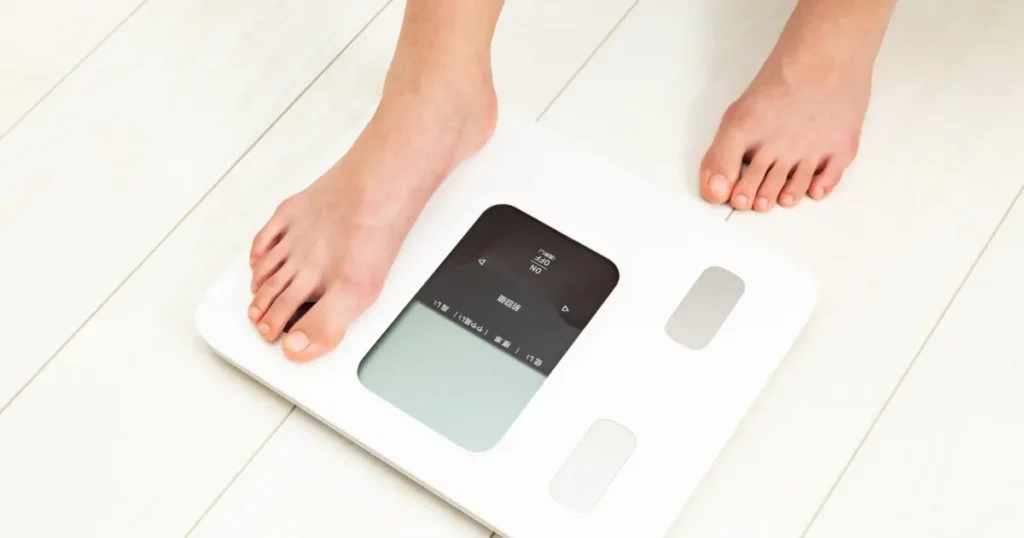
A BMI scale looks like a regular digital bathroom scale at first glance. The difference is what happens after it records your weight. Inside the platform, additional sensors and software work together to estimate several health metrics that a standard scale simply cannot provide.
The core technology used in most BMI scales is called bioelectrical impedance analysis, or BIA. A tiny, painless electrical signal passes through your body via metal electrodes on the scale platform. Because fat, muscle, bone, and water conduct electricity at different rates, the scale measures how the signal travels and uses that data to estimate your body composition.
Your personal profile data, including your height, age, and gender, feeds into the scale’s algorithm alongside the electrical reading and your weight. Together, these inputs produce a full set of body composition estimates within seconds.
Metrics Most BMI Scales Measure
- Body weight
- Body Mass Index (BMI)
- Body fat percentage
- Skeletal muscle mass
- Body water percentage
- Bone mass estimate
- Visceral fat rating
- Metabolic age (on many models)
- Basal metabolic rate (on some models)
Entry-level smart scales typically show weight, BMI, and body fat. Mid-range and higher models add visceral fat, muscle mass breakdown, and sync with health apps. Knowing which metrics a scale offers before you buy it helps you choose the right one for your goals.
Technology Used Inside BMI Scales
BIA is the foundation, but not all smart scales use the same type. Standard models use single-frequency BIA, sending one electrical current through your lower body from foot to foot. More advanced models use multi-frequency BIA, which sends currents at several frequencies for a more detailed picture. The most sophisticated consumer scales use segmental BIA, which maps separate body segments including both arms, both legs, and your trunk for a fuller view.
The more advanced the BIA technology, the better the accuracy tends to be, especially for lean athletes and older adults. But all three approaches give you useful trend data when used consistently.
Why BMI Scales Became Popular
Smart bathroom scales took off because they brought body composition tracking out of the gym and into the home. Before these devices existed, getting a body fat measurement required a visit to a fitness lab, a gym with specialized equipment, or a medical facility. That was a barrier most people never crossed.
Smart scales removed that barrier entirely. For thirty to one hundred dollars, you can now step on a device each morning and get a rough body composition reading in seconds. The convenience factor alone drove enormous adoption.
Another reason these scales grew fast is the rise of fitness culture in the United States. More people are tracking calories, following training programs, and setting body composition goals. A smart scale fits naturally into that lifestyle. It gives you daily data to work with instead of a single number from a doctor’s appointment twice a year.
Integration With Health Apps
Most modern BMI scales connect to a smartphone app via Bluetooth or Wi-Fi. That connection changes the experience dramatically. Instead of just seeing a number in the morning and forgetting it, you build a history. You see a chart of your body fat trend over three months. You watch your muscle mass grow during a strength training block. Also, You notice your weight plateau before your body fat percentage continues to fall.
Popular smart scales connect to apps like Apple Health, Google Fit, Fitbit, and brand-specific apps from Withings, Eufy, Renpho, and others. The best apps let you set goals, track multiple metrics side by side, and share data with a trainer or doctor if needed. For people who are motivated by data, this feature alone can be worth the price of the upgrade.
Regular Scale vs BMI Smart Scale: A Side-by-Side Comparison
Before deciding whether a BMI scale is worth it for you personally, it helps to see exactly what you get compared to a basic scale. Here is a direct feature comparison.
| Feature | Regular Scale | BMI Scale |
| Measures body weight | Yes, very accurately | Yes, very accurately |
| Calculates BMI | No | Yes (needs height input) |
| Body fat percentage | No | Yes (BIA estimate) |
| Muscle mass estimate | No | Yes (most models) |
| Visceral fat rating | No | Yes (many models) |
| Body water percentage | No | Yes (most models) |
| App connectivity | No | Yes (Bluetooth or Wi-Fi) |
| Multiple user profiles | No | Yes (most models) |
| Setup required | None | Profile entry and app setup |
| Typical price range | $10 to $30 | $30 to $150+ |
Looking at that table, the BMI scale clearly offers far more. But the real question is not which one has more features. It is which one adds more value to your specific life and goals. A feature you never look at is not worth paying for.
Benefits of Using a BMI Scale
Having used both types of scales for extended periods, I can tell you the benefits of a BMI scale are real. They are not just marketing claims.
More Detailed Health Insights
Weight alone tells you very little about what is actually happening in your body. You can lose five pounds and not know if that was fat, muscle, or water. You can gain three pounds and not know if it was muscle from strength training or fat from a bad diet week. A BMI scale gives you that context.
When my body fat percentage dropped while my muscle mass held steady, I knew my diet and training were working the way I intended. When I saw both numbers hold flat during a travel week, I knew I had not lost ground. That level of insight is genuinely useful for making smart adjustments.
Long-Term Progress Tracking
The most powerful feature of a smart scale is the historical data. Short-term weight fluctuations are meaningless noise. Your body weight can swing by two to five pounds in a single day based on food, water, and bathroom activity. Looking at a trend line over eight weeks, twelve weeks, or a full year is where the real information lives.
App-connected smart scales build that history automatically. You do not have to write anything down. Every morning, the data syncs. Over time, you accumulate a clear picture of how your body is changing in response to your habits.
Convenient Home Monitoring
Before smart scales, the only way to get body composition data was to visit a gym with a BIA machine, schedule a hydrostatic weighing session, or pay for a DEXA scan. Each of those options takes time, costs money, and happens infrequently.
A smart scale gives you daily data in your own bathroom for a one-time purchase cost. That convenience is enormous for anyone serious about monitoring their body composition over time.
Motivation Through Data
Numbers can be powerful motivators when they are trending in the right direction. Seeing your body fat percentage drop from 28% to 25% over three months, even knowing those numbers are estimates, reinforces that your efforts are paying off. That psychological feedback loop keeps people consistent with their diet and training in a way that weight alone often does not.
I have heard this from many people who started using smart scales. The extra data made their progress feel more real and more nuanced than a single weight number ever did.
Limitations of BMI Smart Scales
Being straight with you matters to me more than selling you on any product. BMI scales have real limitations and you should know them before spending your money.
Body Fat Estimates Are Not Exact
The body fat percentage you see on your smart scale is an estimate. It is not a precise measurement. The BIA technology measures electrical impedance and uses formulas to translate that reading into a body composition estimate. Those formulas are validated against clinical measurements, but they are still approximations.
Consumer BIA scales have been compared to DEXA scans in research studies, and the results show they can be off by anywhere from two to eight percentage points depending on the individual and the conditions. For lean athletes, the margin of error tends to be higher because their body composition falls outside the population averages the formulas were built on.
This does not make the scale useless. It means you should never treat a single reading as the precise truth about your body. Use the numbers to track direction and trend, not to get an exact snapshot.
External Factors Affect Readings Significantly
Your body fat reading from a smart scale can shift by one to three percentage points from one day to the next without any real change in your body fat level. The reason is that BIA is sensitive to your body water distribution, which changes constantly.
Hydration level is the biggest variable. Being dehydrated makes your body resist the electrical signal more, which the scale interprets as more fat. Drinking a lot of water has the opposite effect. A heavy workout the day before, a salty meal, alcohol, a hot shower, or even the time of day all shift your body water in ways that affect the reading.
The fix is consistency. Measure at the same time every day under the same conditions. Morning, after waking, before eating or drinking, is the standard recommendation. When you control the conditions, the day-to-day noise shrinks and the real trend becomes visible.
Setup and Learning Curve
Unlike a regular scale where you just step on and go, a BMI scale requires setup. You need to enter your height, age, and gender into the app. You need to connect the scale to your phone. Also, You need to understand what the numbers mean and how to interpret them correctly.
For tech-savvy users this takes about ten minutes and is no big deal. For people who are less comfortable with technology, or who just want simplicity, the added complexity can be a genuine drawback.
Cost
A decent digital bathroom scale costs ten to twenty-five dollars. A quality BMI smart scale starts around thirty to forty dollars for entry-level models and goes up to one hundred fifty dollars or more for advanced options. That difference matters when you are deciding whether the extra features are worth it to you specifically.
Pros and Cons of BMI Smart Scales at a Glance
Here is a clear, balanced summary of the main strengths and weaknesses of BMI scales.
| Pros | Cons |
| Shows body fat, muscle, and water estimates | More expensive than regular scales |
| Tracks body composition trends over time | Body composition readings are estimates only |
| Connects to smartphone health apps | Readings affected by hydration and time of day |
| Supports multiple user profiles | Requires initial setup and app configuration |
| Daily data motivates consistent habits | Less accurate for very lean or very obese individuals |
| Removes need for gym or lab visits | Not suitable for people with pacemakers |
| Wide price range to fit most budgets | Some people find extra data overwhelming |
The pros outweigh the cons for most people who are serious about tracking their health and fitness. The cons matter most for people who want simplicity or who need clinical accuracy.
Expert Insight on Smart Scale Use
Every professional I have spoken with about smart scales gives a consistent message: use them for trend tracking, not for clinical diagnosis.
Dr. Steven Heymsfield, a professor at Louisiana State University who has spent decades researching metabolism and body composition, has noted that consumer BIA devices are useful for monitoring changes over time. He cautions that individual readings should not be treated as precise clinical measurements. That framing is exactly right and it matches my own experience.
A smart scale is a trend tool. Think of it like a car speedometer that is accurate to within five miles per hour. You use it to know roughly how fast you are going and whether you are speeding up or slowing down. You do not use it to calibrate a precision instrument.
Professional Methods for Measuring Body Fat
When clinical precision is needed, health professionals use tools far more sophisticated than a bathroom scale. These include DEXA scans, which use low-level X-rays to map fat, muscle, and bone throughout the entire body with very high accuracy. DEXA is widely considered the gold standard for body composition measurement.
Hydrostatic weighing, which measures body density by comparing your weight on land to your weight while submerged in water, is another highly accurate method. Air displacement plethysmography, marketed under the brand name Bod Pod, uses changes in air pressure inside a sealed chamber to calculate body density and composition.
These professional methods are significantly more accurate than any home BIA scale. They are also far less accessible and much more expensive per measurement. A DEXA scan typically costs fifty to one hundred fifty dollars and requires a visit to a medical or sports science facility. A smart scale at home for thirty to eighty dollars gives you daily trend data at a tiny fraction of that cost.
My Personal Experience Living With a BMI Scale
Let me tell you what actually happened when I started using a smart scale daily in Nashville.
The first week was confusing. My body fat reading bounced around by almost two percentage points from day to day. Some mornings I thought I had made progress. Other mornings I thought I had lost it. It stressed me out until I figured out what was happening.
The readings were shifting because my hydration and meal timing were inconsistent. Once I started measuring every single morning at the same time, right after waking up and before eating or drinking anything, the day-to-day swings shrank dramatically. The noise got quieter and the signal got louder.
After six weeks of consistent daily measurements, I could see a clear trend in my app. Body fat was slowly declining. Muscle mass was holding steady, which told me I was losing fat without sacrificing muscle. That information was incredibly valuable for confirming that my nutrition and training approach was actually working.
That experience changed how I think about body weight. I no longer care about the daily weight number at all. I look at the four-week body fat trend. That tells the real story.
Who Should Consider Buying a BMI Scale
Fitness Enthusiasts and Athletes
If you exercise regularly, strength train, or follow a structured fitness program, a smart scale gives you data that a regular scale simply cannot. You can track whether your training is building muscle. You can confirm that a fat loss phase is actually targeting fat rather than muscle. Also, You can monitor recovery trends over time.
For anyone lifting weights, the ability to see muscle mass estimates trend upward over a training block is extremely motivating. It confirms that the work is paying off in a way that the mirror or the weight number alone does not always show.
People Managing Weight Loss
Weight loss is not the same as fat loss. A scale that only shows weight cannot tell you whether you lost fat or muscle during a calorie deficit. A smart scale can. That distinction matters enormously for making smart adjustments to your diet and training.
If your weight drops but your body fat percentage stays flat, it means you are losing muscle and water, not the fat you intended to target. Seeing that pattern early lets you course-correct before you lose significant muscle mass.
Data-Driven Health Trackers
Some people are genuinely motivated by tracking their health data. If you enjoy reviewing health stats, setting goals, and watching numbers move in the right direction over time, a smart scale fits naturally into your routine. The app experience turns your daily weigh-in into a health check that covers several dimensions at once.
People Managing Chronic Conditions
For individuals managing conditions like obesity, type 2 diabetes, or cardiovascular disease, body composition data can be a useful supplement to medical care. Tracking visceral fat trends over time, for example, can give you and your doctor additional context about how lifestyle changes are affecting your metabolic health.
Always share your smart scale data with your healthcare provider rather than using it to make medical decisions independently. Smart scale readings are not diagnostic, but they can be a useful data point in a broader health picture.
When a Regular Scale Might Be Enough
Not everyone needs a smart scale. I want to be honest about that.
Casual Weight Tracking
If your only goal is to see whether your weight is going up or down, a regular digital scale does that perfectly well. A good digital bathroom scale in the fifteen to twenty-five dollar range is accurate, reliable, and simple to use. There is no setup, no app, no learning curve.
For people who find extra data confusing or stressful rather than motivating, simplicity is genuinely the better choice. The best health tool is the one you actually use consistently.
Budget Considerations
A quality regular scale costs a fraction of what a smart scale costs. If money is tight or if you are not sure whether you will actually engage with the extra data, start with a regular scale. You can always upgrade later when you have a clearer sense of what you want.
There is no shame in using a basic scale. Plenty of people have achieved excellent long-term health results using nothing more than a simple weight reading and consistent habits.
When a BMI Scale Is Worth Buying: A Decision Guide
Use this as a quick guide for deciding which type of scale fits your situation.
| Your Situation or Goal | Best Scale Choice | Why |
| Only need to track body weight | Regular scale | Simple, accurate, affordable |
| Want to monitor fat vs muscle changes | BMI scale | Body composition tracking requires BIA |
| Following a strength training program | BMI scale | Track muscle mass trends over time |
| Working on long-term fat loss | BMI scale | Distinguish fat loss from muscle loss |
| Budget under $25 | Regular scale | Smart scales start around $30 minimum |
| Want app connectivity and data history | BMI scale | Regular scales have no app integration |
| Need clinical precision for medical use | Neither (use DEXA or lab test) | Home scales are trend tools, not clinical devices |
| Prefer simplicity with no setup | Regular scale | Smart scales require profile setup |
| Multiple family members tracking health | BMI scale | Individual profiles for each user |
Tips for Getting the Most Accurate Results From BMI Scales
Owning a smart scale and using it well are two different things. These habits make a meaningful difference in the quality and consistency of your data.
Measure at the Same Time Every Day
Your body weight and fluid levels change significantly throughout the day. To get readings that are genuinely comparable to each other, measure at the same time every single day. First thing in the morning, after using the restroom and before eating or drinking anything, gives you the most consistent baseline. I have followed this habit for years and it dramatically reduces the day-to-day noise in my readings.
Use the Scale on a Flat Hard Surface
Carpet compresses under your weight and can throw off load cell sensors. Always place your smart scale on a flat, hard floor. Tile, hardwood, or laminate surfaces work well. Avoid bathroom rugs or uneven flooring.
Step on Barefoot With Clean Dry Feet
BIA requires direct skin contact between your feet and the metal electrodes on the scale. Socks block the electrical signal entirely. Lotion or moisture on the soles of your feet adds surface resistance that skews the reading. Always step on the scale barefoot with dry, clean feet for consistent results.
Maintain Consistent Hydration Habits
Because water intake directly affects your body water percentage and your BIA reading, try to keep your hydration habits consistent from day to day. If you drink a large amount of water some days and very little on others, that variability will show up as noise in your body fat readings. Consistent daily hydration habits make your trend data much cleaner.
Double-Check Your Profile Settings
The algorithms inside your smart scale depend entirely on the personal data you entered during setup. If your height is entered incorrectly by even an inch, every body composition estimate will be skewed. Take a minute to verify that your height, age, and gender are correct in the app. Update your age each year when your birthday comes around, since some scales use age in their calculation.
Track Weekly or Monthly Averages
Do not make decisions based on a single reading. Your daily numbers will fluctuate. What matters is the trend. Most smart scale apps let you view weekly and monthly averages. Check those numbers instead of obsessing over the daily figure. A downward trend in body fat over eight weeks is meaningful data. A one-point jump on a Tuesday morning is almost always just noise.
What to Look for When Buying a BMI Scale
If you have decided a smart scale is worth it for you, here is what to prioritize when choosing one.
Accuracy and Sensor Quality
Weight accuracy is the most important thing. Look for scales that are accurate to 0.1 or 0.2 pounds. Check reviews specifically mentioning whether the weight reading is consistent and reliable. Scales with good weight sensors tend to have better overall build quality.
App Compatibility
Check that the scale’s app works well with the health platform you already use. If you use Apple Health, make sure the scale syncs to it. Same for Google Fit or Fitbit. Seamless integration means your scale data feeds into your existing health picture without any extra steps.
Multiple User Profiles
If more than one person in your household wants to use the scale, look for a model that supports multiple individual profiles. This lets each person get body composition estimates calibrated to their own height, age, and gender. Shared readings with no personal profile are much less meaningful.
Reliable Brand and Warranty
Brands with a long track record in smart scales include Withings, Eufy, Renpho, Garmin, and Fitbit. These companies have invested in scale accuracy research and have established app ecosystems. Mid-range models from these brands in the forty to eighty dollar range hit a good balance of quality and value.
Are BMI Scales Worth Buying at Different Price Points
The question of whether are bmi scales worth buying often comes down to how much you spend. Here is an honest breakdown by price range.
Under $30: Entry-Level Smart Scales
Budget smart scales in this range usually measure weight, BMI, and body fat. They connect to a basic app. Weight accuracy is generally decent. Body composition accuracy is limited but usable for trend tracking. Worth buying if you want to try smart scale data without a big commitment.
$30 to $60: Mid-Range Smart Scales
This is the sweet spot for most people. Mid-range scales offer solid weight accuracy, reliable body composition estimates, multi-user profiles, and good app integration. Models from Eufy, Renpho, and similar brands fall in this range and offer strong value.
$60 to $150: Premium Smart Scales
Premium models add features like multi-frequency BIA for better accuracy, segmental body composition measurements, heart rate monitoring via handgrip electrodes, and premium app experiences. Withings and Garmin lead this segment. Worth the investment for serious athletes or anyone who wants the most accurate consumer-grade body composition data available.
Above $150: Professional Grade
At this price point you are approaching professional equipment. These scales use advanced multi-frequency segmental BIA and produce results comparable in some studies to clinical measurements. Most home users do not need this level of detail, but it exists for those who do.
Final Recommendation: Are BMI Scales Worth Buying
After years of personal testing, careful research, and honest conversations with fitness professionals, my answer is clear. For most people who are serious about their health and body composition, yes, BMI scales are worth buying.
They will not give you clinical-grade measurements. No home scale will. But they give you something a regular scale never can: a daily window into your body composition trend. That trend data is genuinely valuable for making smart decisions about your diet, training, and lifestyle over time.
The key is going in with the right expectations. Treat the numbers as estimates. Focus on weekly and monthly trends, not daily readings. Measure consistently at the same time and under the same conditions every day. When you use a smart scale this way, it becomes one of the most useful health tools you can have at home.
My honest personal recommendation is a mid-range smart scale in the forty to sixty dollar range from a reputable brand. It will give you solid weight accuracy, reliable body composition trend data, good app integration, and multiple user profiles without breaking the bank. Brands like Eufy, Renpho, and Withings all have strong options in that range.
If you just want to track weight and keep things simple, a quality regular digital scale for fifteen to twenty dollars is all you need. Do not overcomplicate it. The best scale is the one that fits your goals, matches your budget, and that you actually step on every morning.
Whatever you choose, consistency beats perfection every single time. Show up every morning, take the reading, and watch the trend over weeks and months. That habit alone will tell you more about your body and your progress than any single measurement ever could.
Frequently Asked Questions
1. Are bmi scales worth buying for my home gym?
Yes, they help you see more than just weight. For many, are bmi scales worth buying to track body fat and muscle trends over time at home.
2. Is the data why are bmi scales worth buying?
The extra stats add real value. If you want to see your body change, are bmi scales worth buying to get a full view of your fitness.
3. Are bmi scales worth buying if I am on a budget?
Many good tools are now cheap. This low cost is a big reason why are bmi scales worth buying for people who want to save money.
4. Why do experts say are bmi scales worth buying for progress? They track your history in an app. Seeing your wins on a screen is why are bmi scales worth buying for staying excited about your goals.
5. Are bmi scales worth buying to help with my diet?
Knowing your body fat can guide your meals. This insight makes many feel are bmi scales worth buying to help reach a healthy weight faster.
6. Does the sync feature make are bmi scales worth buying?
Most link to your phone fast. This ease of use is a main point when asking are bmi scales worth buying for a modern, smart lifestyle.
7. Are bmi scales worth buying for the whole family?
Many tools track multiple users. This shared use is a great reason why are bmi scales worth buying to keep everyone in the house healthy.

Shakitul Alam is the CEO, Owner, and Co-founder of BMI Calculator Women AI. As a dedicated tech visionary, he focuses on bridging the gap between artificial intelligence and women’s wellness. Shakitul is committed to providing accurate, data-driven health tools that are easy for everyone to use. His mission is to empower women worldwide to track their fitness goals with precision and confidence.