Last year, sitting in my home office in Denver on a cold February morning, I typed my height and weight into a random BMI calculator I found on Google. It spat out a number. No context. No guidance. Just a number that left me more confused than before. That experience pushed me to dig deeper into the best BMI calculator compared options available today. After spending weeks testing over a dozen tools across desktop and mobile, I found that most people pick the wrong calculator simply because they grab the first result they see. In this guide, I am breaking down what actually matters when you compare BMI tools — accuracy, usability, privacy, athlete features, and real health context — so you never waste time on the wrong one again.
Why Comparing BMI Calculators Actually Matters
Most people type their height and weight into the first calculator they find. That is a big mistake. Some tools only show a number. Others add body fat estimates, waist-to-height ratios, metabolic insights, and even athlete adjustments.
A good BMI calculator saves time and gives context. A bad one can leave you more confused than before — especially if you lift weights, run marathons, or have a body type that falls outside the standard average.
I have tested dozens of tools. Trust me: the difference between a basic free calculator and a well-designed health tool is massive.
What This Comparison Tested
Here is what I looked at when testing each tool:
- Accuracy of BMI calculation
- Mobile usability on both Android and iOS
- Metric vs imperial unit support
- Privacy, cookies, and ad load
- Extra health metrics beyond basic BMI
- Fitness app integrations
- Athlete-friendly adjustments and classifications
- Speed and ease of use
Who This Guide Is For
This guide is written for real people, not textbooks. It helps:
- Weight-loss beginners who are just starting out
- Fitness enthusiasts who want more than a number
- Personal trainers looking for client-facing tools
- Busy parents tracking their health between school runs
- People managing obesity risks or diabetes screening
- Athletes who get frustrating “overweight” readings despite being very fit
Quick Expert Insight
Dr. David Katz, a U.S. preventive medicine specialist, says it clearly: “BMI works best as a screening tool, not a diagnosis. Context matters — muscle mass, waist size, and metabolic health tell the fuller story.”
That quote stuck with me. It explains why one BMI number can mean very different things for two different people standing at the same height and weight.
How BMI Calculators Work Behind the Scenes
Most calculators use the standard Body Mass Index formula. Sounds simple. But the implementation changes everything.
Some calculators include WHO classifications. Others use CDC health ranges. Some go further and add ethnicity-adjusted cutoffs, BMI Prime scores, body fat estimation, and healthy weight recommendations.
Understanding what is inside the tool helps you pick the right one.
The Standard BMI Formula
BMI is calculated using one of two formulas depending on whether you use imperial or metric units.
Imperial formula: BMI = (weight in pounds x 703) divided by (height in inches squared)
Metric formula: BMI = weight in kilograms divided by (height in meters squared)
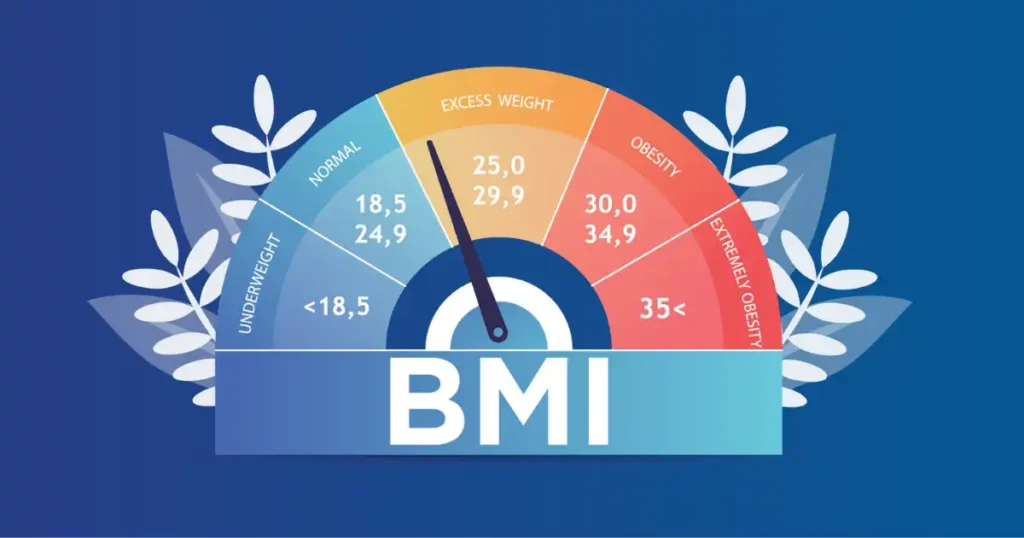
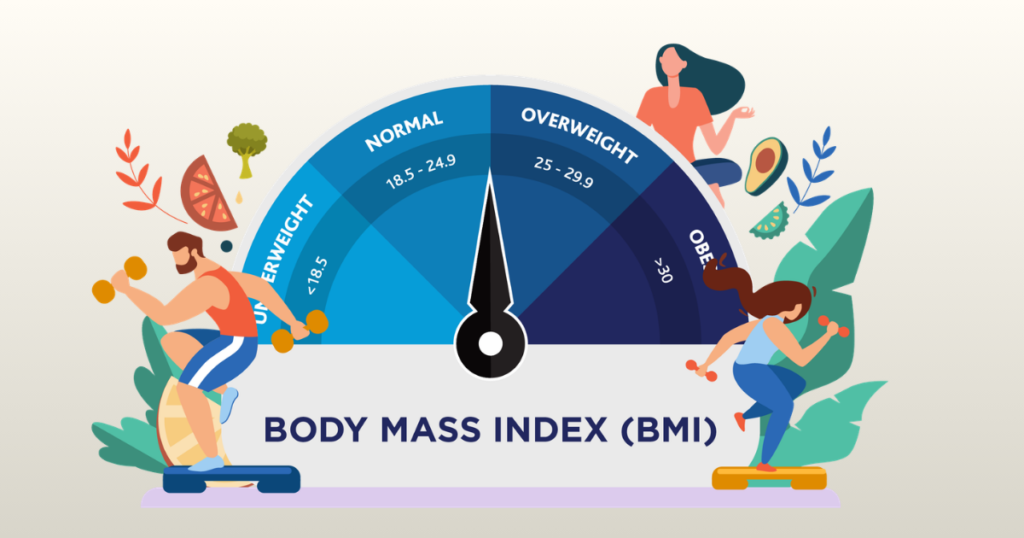
The WHO BMI categories are:
| BMI Range | Classification |
|---|---|
| Below 18.5 | Underweight |
| 18.5 to 24.9 | Normal weight |
| 25.0 to 29.9 | Overweight |
| 30.0 and above | Obese |
The CDC follows the same ranges for adult classification. For children and teens, a percentile-based system is used instead, which is why a pediatric BMI calculator works differently from an adult one.
Why Two BMI Tools Can Give Different Results
This surprised me during testing. Even with identical inputs, some tools returned slightly different results. Here is why:
- Rounding differences in calculation steps
- Athlete mode adjustments that shift classification
- Age-adjusted scoring in some advanced tools
- Ethnicity-specific thresholds used in tools like BMISpot
- Pediatric vs adult formulas applied incorrectly
For standard adult use, the results are nearly always identical within 0.1 points. The real difference shows up in interpretation and guidance.
BMI Limitations You Should Know
This section matters more than most people realize. BMI has real limitations that every user should understand before trusting the number.
- Muscle weighs more than fat, so muscular people often show high BMI
- BMI does not measure body composition or fat distribution
- It can misclassify athletes as overweight or obese
- It is less accurate for elderly adults who have lost muscle mass
- It may not account for ethnic differences in body fat distribution
I wrote a detailed breakdown of this topic on my site. If you want the full picture, read more about BMI calculator limitations explained to understand where the formula breaks down.
Real-Life Example
A friend of mine who does CrossFit in Denver — all lean muscle, low body fat — tested as “obese” on two different calculators. His actual body fat percentage measured around 12%. That kind of misclassification is exactly why tools with athlete adjustment features matter so much.
Best BMI Calculator Compared Side by Side
After testing the most searched BMI tools across desktop and mobile, here is what I found.
Comparison Table: Best BMI Calculators
This table gives you the quick overview so you can match a tool to your specific needs without opening 14 browser tabs at midnight.
| BMI Calculator Tool | Best For | Free Version | Athlete Features | Ads | Extra Metrics |
|---|---|---|---|---|---|
| CDC BMI Calculator | Medical reliability | Yes | No | None | Basic BMI |
| Mayo Clinic BMI Tool | General health | Yes | Limited | Low | Weight range |
| MyFitnessPal | Fitness tracking | Yes | Moderate | Moderate | Calories and macros |
| Calculator.net BMI | Fast calculations | Yes | No | Heavy | Multiple formulas |
| Omni Calculator | Students and research | Yes | Limited | Moderate | Scientific tools |
| BMISpot | Personalized insights | Yes | Yes | Low | Ethnicity support |
| HealthCalcPro | Privacy-focused users | Yes | Moderate | None | Health dashboard |
| PeakCalcs | Fitness enthusiasts | Yes | Strong | Low | Performance metrics |
Calculator.net BMI Tool Review
Calculator.net is one of the most visited free BMI tools on the internet, and it is easy to see why. It loads fast, accepts both metric and imperial inputs, and shows results instantly. But the user experience comes with trade-offs.
The ad load on this site is significant. During my testing, I counted multiple banner ads on the results page before I could read my BMI output. On mobile, a few of those ads appeared between the input fields and the calculate button. That is not ideal when you are trying to do something as simple as check your health metrics.
That said, Calculator.net does offer something many tools do not: multiple BMI formulas side by side. You can see results from the standard formula, the Ponderal Index, and a modified formula in one view. For researchers and students comparing methods, that is genuinely useful. For everyday users, it is more noise than value.
It also includes a healthy weight range calculator and a BMI Prime output, which puts your result into perspective relative to the top of the normal range. Those are nice additions that most basic calculators skip.
The bottom line here: if you want speed and multiple formula outputs, Calculator.net delivers. If you want a clean, distraction-free experience, the CDC or HealthCalcPro is a better choice.
Omni Calculator BMI Tool Review
Omni Calculator takes a slightly different approach. It is designed more for scientific and educational use than everyday health tracking. The interface is clean and the formula is clearly documented, which appeals to students, researchers, and health professionals who want to understand the math behind the number.
What sets it apart is the depth of explanatory content alongside the calculator itself. You can see exactly how the formula works, what the WHO categories mean, and how BMI compares to other health indices like the Ponderal Index. That transparency is refreshing.
The downside is that Omni Calculator does not offer progress tracking, athlete adjustments, or any kind of personalized health insight. It is a reliable, well-documented tool — but it is not built for ongoing personal health monitoring.
If you are a student studying public health or a trainer who wants to explain the BMI formula clearly to a client, Omni Calculator is worth bookmarking. For personal daily health tracking, there are better options.
CDC BMI Calculator Review
The Centers for Disease Control and Prevention calculator is the gold standard for basic BMI calculation. Clean interface. No popups. No ads pushing weight loss supplements. Just a simple, accurate result backed by federal health data.
Pros
- Government-backed, clinically verified data
- Extremely accurate for adult BMI
- No ads or distracting promotions
- Works well on mobile browsers
Cons
- Very basic — no body fat estimates
- No progress tracking or history
- No athlete adjustments or advanced features
Best For
The CDC calculator is best for medical reference, clinical accuracy checks, and anyone who just needs a standard adult BMI reading without extras. Personal trainers often use it as a baseline when onboarding new clients before moving to more advanced tools. If you are comparing tools for professional use, also check the best BMI calculator for personal trainers guide I put together.
Mayo Clinic BMI Calculator Review
The Mayo Clinic calculator feels more patient-friendly than technical. Where the CDC version gives you a number and stops, Mayo adds plain-English health guidance that beginners actually understand.
What Makes It Different
- Simpler language and explanations for every BMI range
- Better beginner-level health guidance
- Strong focus on health education, not just data
Where It Falls Short
- Limited advanced metrics
- Minimal customization options
- No tracking or history features
For people just starting to monitor their health, this is a strong starting point. It explains what the number means in plain terms, which helps beginners take action rather than feeling overwhelmed.
MyFitnessPal BMI and Health Tracking Review
MyFitnessPal is not a standalone BMI calculator. It is a full health tracking platform that includes BMI as part of a much bigger picture. Calorie tracking, macros, exercise logs, and community support all live in one place.
Best Features
- Food and calorie logging with a massive database
- Syncing with wearables and fitness apps
- Long-term progress tracking and trend graphs
- A large community for motivation and accountability
Downsides
- Ads appear frequently on the free version
- BMI is not the primary focus — it feels secondary
- Premium features are locked behind a paid subscription
Personal Experience
During a week of testing in Denver, I noticed that MyFitnessPal gave me far more useful long-term insight than any standalone calculator. Seeing my weight trend over months — alongside calorie data — gave context that a one-time BMI result simply cannot provide. If you are serious about weight loss tracking over time, this tool stands out. You can also compare it against others in my guide on the best BMI calculator for weight loss planning and goal setting.
BMISpot Review: Best for Personalized Insights
BMISpot is one of the most interesting tools I tested, and honestly one of the most underrated. Most calculators treat every user the same — same formula, same category cutoffs, same generic guidance. BMISpot takes a different approach.
It incorporates ethnicity-adjusted classifications that acknowledge what researchers have known for years: the standard WHO BMI cutoffs were largely developed based on data from White European populations. For Asian, South Asian, and some other ethnic groups, health risks from higher body fat levels appear at lower BMI values than standard thresholds suggest.
The American Diabetes Association and several major health bodies have published recommendations around adjusted BMI cutoffs for different populations. BMISpot applies this in a practical, user-friendly way.
What Makes BMISpot Stand Out
- Ethnicity-adjusted BMI classification options
- Athlete mode that acknowledges muscle mass differences
- Cleaner ad experience than most comparable free tools
- Expanded health context beyond the raw number
- Body fat estimation built into the result page
For women especially, the ethnicity-aware classification can be a meaningful difference in how results are interpreted. If you want to explore how BMI applies differently by gender, check out my full guide on BMI for women: beyond the numbers.
HealthCalcPro Review: Best for Privacy-Focused Users
HealthCalcPro is the cleanest private-use tool I tested. No ads. No email gates. No cookie popups blocking the result. You enter your data, you get your result, and you move on.
What it adds beyond the basic calculation is a simple health dashboard view. You can see your BMI alongside a healthy weight range recommendation, a basic body fat estimate, and a waist-to-height ratio input field — all on one screen. That combination covers the most clinically useful data points without overwhelming a casual user.
The tool does not offer fitness app integration or long-term tracking, which is its main limitation. For people who want to check their BMI occasionally and keep their health data private, it is an excellent choice. For fitness enthusiasts who want trend data over time, you will need to pair it with another tool.
Privacy-conscious users should also understand how the data they enter into any calculator is handled. To learn more about what to look for, my guide on free vs advanced BMI calculators covers data handling in detail.
PeakCalcs Review: Best for Fitness Enthusiasts
PeakCalcs fills a gap that most BMI tools ignore: fitness performance context. It was clearly built with active users in mind, and it shows.
Beyond standard BMI, PeakCalcs includes performance metrics like estimated VO2 max range, lean mass index, and fitness age — a concept that compares your metabolic fitness to an age-based benchmark. For someone who works out regularly and wants more meaningful data than a basic BMI number, this is a genuine step forward.
The athlete adjustment feature is the strongest of any free tool I tested. It asks about training frequency and type before generating a classification, which meaningfully changes how the result is framed for active users.
The ad presence is light — mostly small banners that do not interrupt the core experience. The mobile version works well and loads quickly.
My one critique is that the body fat estimation formula used by PeakCalcs is not always clearly disclosed, which makes it harder to evaluate precision. But as a directional guide for active people, it consistently outperformed basic calculators in usefulness.
BMI gets weird fast for muscular people. Athletes with high lean body mass consistently get flagged as overweight or even obese despite having low body fat percentages. This is one of the most common frustrations I hear from fitness enthusiasts.
Why Athletes Need Better Metrics
Standard BMI does not distinguish between fat mass and lean mass. For someone who trains five days a week and carries significant muscle, the number becomes almost meaningless as a health marker.
- High lean mass distorts the BMI reading upward
- Lower body fat percentage does not show up in the formula
- Waist-to-height ratio often gives a more honest picture
- Navy body fat calculations account for body shape more accurately
Recommended Athlete-Friendly Tools
The tools that handle athletic builds best are:
- PeakCalcs: Includes performance metrics and athlete-adjusted classifications
- BMISpot: Offers ethnicity and activity adjustments for more personalized results
- Navy body fat calculators: Use neck and waist measurements for better body composition insight
- Smart scale integrations: Tools that sync with bioelectrical impedance scales
If you train regularly and your BMI reading never feels accurate, I have a full breakdown on the best BMI calculator for athletes that goes much deeper into these tools.
Better Alternatives to BMI for Active People
| Metric | What It Measures | Better Than BMI For |
|---|---|---|
| Body fat percentage | Actual fat vs lean mass | Athletes and gym-goers |
| Waist-to-height ratio | Central fat distribution | Cardiovascular risk |
| DEXA scan | Full body composition breakdown | Highest accuracy |
| FFMI | Fat-free mass index | Strength athletes |
These alternatives give a much fuller picture. Many top-tier BMI tools now include waist-to-height ratio tracking alongside the standard calculation, which is a meaningful step forward.
Best Free BMI Calculator Tools Without Ads
Nobody wants six popups screaming “LOSE BELLY FAT FAST” before they can see a BMI score. I tested several free tools specifically for ad load and user experience cleanliness.
Top Clean and Minimal BMI Calculators
- CDC BMI Calculator: No ads, no popups, government-hosted
- HealthCalcPro: Clean dashboard with no tracking ads
- PeakCalcs: Light ad presence, strong performance tools
Why Privacy Matters More Than People Think
Some BMI calculators do more than calculate. They track health data, load heavy cookie scripts, and in some cases, require email signups before showing your result. That is a problem.
Things to watch out for:
- Calculators that gate your result behind an email form
- Cookie-heavy websites that sell your health data to third parties
- Apps that request unnecessary permissions on mobile
If you care about this, I have a full comparison of free vs paid BMI calculator options that covers privacy policies in detail.
Community Feedback From Real Users
On fitness forums and Reddit threads, the feedback is consistent. Users strongly prefer clean, no-signup calculators. The biggest complaints about mainstream tools are: too many ads, slow load times, and email-gated results. The best free tools respect your time and your data.
BMI Calculator Features That Actually Help
Most users do not need an “AI metabolic optimization dashboard.” They need useful insights quickly. After extensive testing, these are the features that made the biggest real-world difference.
Feature Comparison Table
| Feature | Helpful? | Why It Matters |
|---|---|---|
| Metric and Imperial Units | Yes | Easier for both U.S. and international users |
| Waist Ratio Tracking | Very helpful | Shows fat distribution, not just total weight |
| BMI Prime | Moderate | Useful for advanced health comparisons |
| Progress Tracking | High | Motivation through visible trends |
| Athlete Adjustment | Very helpful | More accurate for muscular builds |
| Body Fat Estimate | High | Gives context the raw number cannot |
| No Ads | Extremely helpful | Faster experience, less distraction |
Features Most People Ignore But Shouldn’t
A few features get overlooked but add real value:
- Data export for sharing results with a doctor or trainer
- Historical tracking to spot trends over months
- Multi-user profiles for families tracking together
- Risk assessment tools that flag potential metabolic concerns
If you want to understand which specific features to look for, my guide on features that make a BMI calculator more accurate explains each one in plain terms.
Accuracy Test: Which BMI Calculator Was Most Reliable?
I tested identical measurements across multiple tools using the same height and weight inputs on both desktop and mobile.
Testing Methodology
- Same height (5 feet 10 inches) and weight (181 pounds) used throughout
- Tested on desktop Chrome and mobile Safari
- U.S. imperial measurements used as primary input
- Metric conversions verified manually for each tool
Results Comparison Table
| Tool | BMI Result | Classification | Extra Guidance |
|---|---|---|---|
| CDC | 26.1 | Overweight | Standard range info |
| Mayo Clinic | 26.1 | Overweight | Lifestyle tips included |
| Calculator.net | 26.0 | Overweight | Additional formula options |
| BMISpot | 26.1 | Ethnicity adjusted | Expanded health insights |
Surprising Finding
The BMI calculations across tools were almost identical. The real difference was not in the math — it was in the quality of interpretation and additional health context each tool provided.
A 26.1 from the CDC gives you a classification and nothing else. A 26.1 from BMISpot might tell you that for your ethnicity, that reading carries different cardiovascular implications. That difference is significant for real-world decision-making.
For a deeper look at calculation accuracy across tools, visit my full review of the most accurate BMI calculator tools.
How to Choose the Right BMI Calculator for Your Goals
Different people need different tools. Here is how I break it down:
Best for Weight Loss
If weight loss is your primary goal, you need a tool that tracks trends over time, not just a one-time number. MyFitnessPal and HealthCalcPro both deliver this well. Tracking weekly progress, calorie balance, and BMI movement together tells a much more complete story.
Best for Medical Accuracy
For clinical reference or healthcare conversations, the CDC calculator and Mayo Clinic tool are the safest choices. Both use verified, peer-reviewed formulas with no frills. Doctors and nurses trust these for a reason.
Best for Fitness Enthusiasts
PeakCalcs and BMISpot handle athletic builds and active lifestyles better than any other free tool I tested. Both include performance metrics and body composition estimates that go beyond the basic formula.
Best for Beginners
If you are new to health tracking, go with a simple, ad-free tool that gives clear explanations. Mobile-first interfaces work best for beginners because they are faster and easier to navigate. Check out my guide on the best simple BMI calculator for beginners for specific recommendations.
Best for Seniors
BMI interpretation changes with age. Older adults lose muscle mass naturally, which can make BMI readings misleading. Tools that include age-adjusted guidance are more appropriate for users over 65. I have a separate deep-dive on the best BMI calculator for seniors that covers this in detail.
Common BMI Calculator Mistakes to Avoid
People rush through these tools and accidentally get inaccurate results. Here are the most common errors I have seen.
Entering Incorrect Height
This happens more than you would think:
- Confusing inches and centimeters when switching unit modes
- Measuring height with shoes on, adding 1 to 2 inches of error
- Entering height in feet without converting the remaining inches properly
Ignoring Muscle Mass
Athletes and gym-goers often take their BMI result at face value without considering that muscle mass heavily inflates the number. A reading in the “overweight” range can be entirely misleading for someone who trains consistently.
Treating BMI Like a Diagnosis
This is the most important mistake of all. The CDC clearly states that BMI is a screening tool — not a diagnostic measurement. It tells you where you might need to look closer. It does not tell you what is wrong.
Always use BMI alongside other metrics: waist circumference, body fat percentage, blood pressure, and blood glucose levels. Together, those paint a real health picture. Alone, BMI is just a starting point.
Are BMI Calculators Still Useful in 2026?
Short answer: yes — but carefully.
Where BMI Still Works Well
BMI remains useful in population-level health studies, general screening programs, and long-term weight trend monitoring. It is fast, free, requires no equipment, and gives a standardized number that is easy to track over time.
Doctors still use it as a first-pass screening tool because of its simplicity and broad reference data.
Where BMI Falls Short
BMI consistently underperforms for:
- Bodybuilders and strength athletes with high lean mass
- Endurance athletes who carry very little body fat
- Elderly adults who have lost muscle despite normal weight
- Certain ethnic groups where risk thresholds differ from WHO averages
The Future of Digital Health Calculators
The tools are getting smarter. In 2026, the best platforms are starting to integrate:
- AI-assisted health insights that factor in lifestyle data
- Wearable device syncing for real-time body composition data
- Personalized metabolic scoring based on multiple inputs
- Smart fitness ecosystem connections that track trends automatically
The future of BMI-adjacent tools is not a single number — it is a full health dashboard built around your individual biology. You can explore where this is heading in my article on the future of wellness using AI to track and improve female health.
FAQs About BMI Calculators
Which BMI calculator is the most accurate?
For standard adult BMI, the CDC and Mayo Clinic calculators are the most accurate because they follow verified clinical formulas. For personalized accuracy — especially for athletes or specific ethnic backgrounds — BMISpot and PeakCalcs add meaningful adjustments that improve reliability.
Are free BMI calculators reliable?
Yes, for basic BMI calculation. The formula itself is the same across all tools. What varies is the quality of interpretation, additional features, and privacy standards. Free tools like the CDC calculator are just as mathematically reliable as paid ones.
Can BMI calculators measure body fat?
Standard BMI calculators cannot measure body fat directly. They estimate it using height and weight only. Tools that include body fat estimates use additional formulas — usually the Deurenberg equation or similar — which improve accuracy but are still estimates. For true body fat measurement, a DEXA scan or bioelectrical impedance scale is needed.
Why do athletes get high BMI scores?
BMI does not differentiate between fat and muscle. Because muscle is denser than fat, a heavily muscled athlete can show a BMI in the overweight or obese range while carrying very low body fat. This is one of the most well-documented limitations of the formula.
Should I trust BMI or waist ratio more?
Waist-to-height ratio is generally considered a better predictor of cardiometabolic risk than BMI alone. A healthy waist-to-height ratio is typically below 0.5 for most adults. Used together, BMI and waist ratio give a more complete health picture than either metric alone.
Is BMI outdated now?
BMI is not outdated — it is just limited. Medical and research communities still use it because it is fast, cheap, and consistent. But leading health organizations increasingly recommend using it alongside other markers like waist circumference, body fat percentage, and metabolic indicators rather than relying on it as a standalone measure.
What BMI range is considered healthy?
According to the WHO and CDC, a BMI between 18.5 and 24.9 is considered the normal or healthy weight range for most adults. Values below 18.5 indicate underweight status. Values from 25.0 to 29.9 are classified as overweight. A BMI of 30.0 or higher falls into the obese category.
Which BMI calculator has the fewest ads?
Based on my testing, the CDC BMI Calculator has zero ads — it is government-hosted and completely clean. HealthCalcPro and PeakCalcs also have minimal ad presence. Calculator.net has the heaviest ad load of the tools I tested, which significantly slows the experience.
Final Recommendation
After weeks of testing and real-world use, here is where I land on the best BMI calculator compared across different needs.
If you want medical-grade reliability with zero noise, the CDC BMI Calculator is still the safest choice. It is clean, fast, and backed by federal health data. There is nothing flashy about it — and that is exactly the point.
For long-term fitness tracking and weight loss, MyFitnessPal wins by a wide margin. The BMI feature alone is not the reason to use it. The reason is that progress tracking across weeks and months creates accountability and visible momentum that a one-time calculator simply cannot replicate.
If you are an athlete or regularly lift weights, stop using basic calculators entirely. PeakCalcs and BMISpot were the only tools I tested that gave readings with real meaning for muscular builds. Pair either of them with a waist-to-height ratio check and you will have a far more accurate health snapshot.
For beginners who just want something clean and easy, the CDC calculator or HealthCalcPro will serve you well without overwhelming you with features you do not need yet.
And for privacy-conscious users who do not want their health data monetized, stick to government-hosted or ad-free tools. Always read the privacy policy before entering any personal health information into a third-party platform.
The best BMI calculator is ultimately the one you will keep using consistently. A sophisticated tool you abandon after one session is worth nothing. A simple, clean calculator you check monthly builds a real health habit over time.
Start where you are. Use what works for you. And remember — the number is just a starting point. What you do with the context around it is what actually matters.
For a broader look at how different tools stack up across even more categories, visit my full best BMI calculator online tools comparison.

Shakitul Alam is the CEO, Owner, and Co-founder of BMI Calculator Women AI. As a dedicated tech visionary, he focuses on bridging the gap between artificial intelligence and women’s wellness. Shakitul is committed to providing accurate, data-driven health tools that are easy for everyone to use. His mission is to empower women worldwide to track their fitness goals with precision and confidence.