
I still remember the morning in Tulsa, Oklahoma when my BMI said “overweight,” yet my jeans fit looser than ever. That gap is what pushed me to dig deeper into body composition tools. If you have felt that same confusion, you are not alone. A best BMI calculator with body fat estimate can fill in the missing piece that plain BMI leaves out. In this guide, I will walk you through the tools I trust, the science behind them, and simple tips to get numbers you can actually rely on for your health tracking journey.
Why BMI Alone Doesn’t Tell the Whole Story
Many people discover this after starting a fitness routine. The scale barely moves, yet clothes fit differently. That’s where body fat estimation becomes much more useful. BMI is a quick screening number. It is not a full health report. Once you understand what it can and cannot do, you will know exactly when to lean on a body fat estimate instead.
What BMI Measures
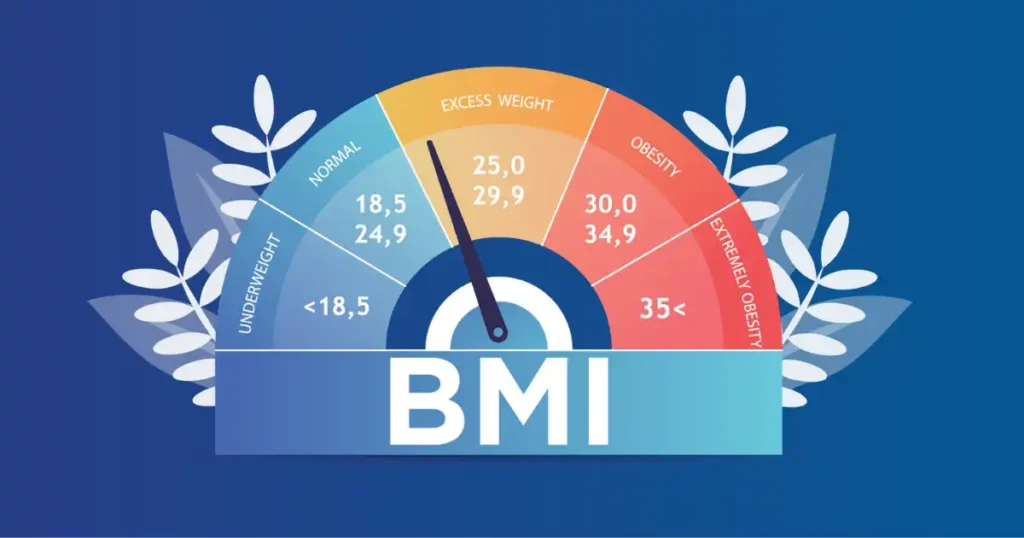
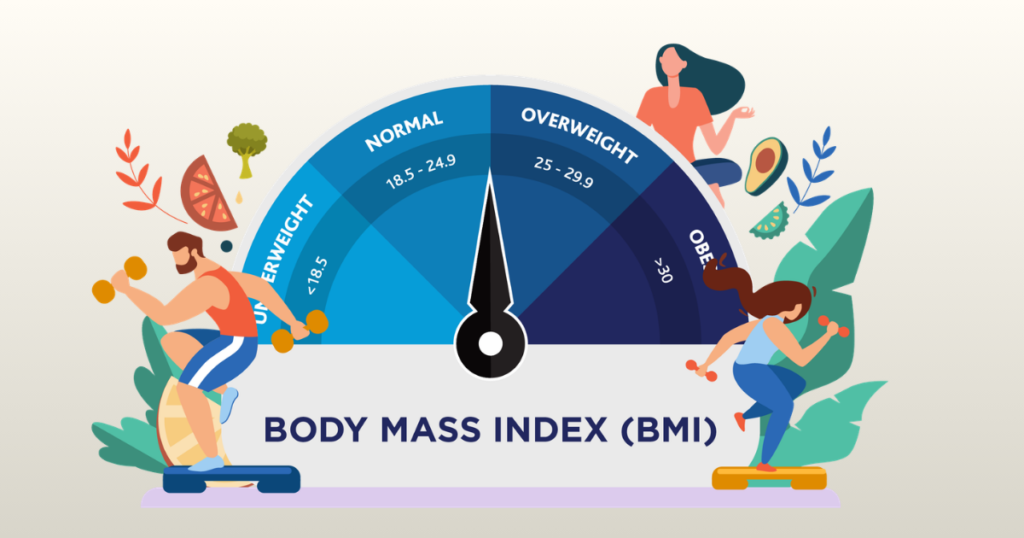
BMI stands for Body Mass Index. It divides your weight by the square of your height. The result places you into one of four groups: underweight, healthy weight, overweight, or obesity. The CDC still uses this same four-tier system for adults age 20 and older, and it does not adjust the ranges based on age, sex, or race. It is fast, free, and easy to calculate with just a scale and a tape measure.
Why BMI Can Be Misleading
BMI treats every pound the same, whether it comes from muscle or fat. That single flaw causes real problems for several groups.
- Athletes. A rugby player or bodybuilder can land in the “overweight” category simply because muscle weighs more than fat.
- Seniors. Older adults often carry more body fat than younger adults at the same BMI, since muscle naturally declines with age.
- People with high muscle mass. Powerlifters and gymnasts often score high on BMI despite having very low body fat.
- Different body types. Two people with identical BMI scores can have completely different waistlines, fat distribution, and health risks.
Why Body Fat Percentage Gives Better Insight
Body fat percentage looks past the total number on the scale. It separates fat from muscle, so you see lean mass and fat mass as two distinct numbers. This matters because fat tissue and muscle tissue behave very differently inside your body. Extra fat, especially around the belly, raises your risk for heart disease and type 2 diabetes. Extra muscle usually does the opposite. Knowing your split helps you set smarter goals, whether you want to lose fat, build muscle, or simply track overall health risks over time.
BMI vs Body Fat Estimate: Comparison Table
Many readers confuse BMI with body fat percentage because both use your weight in some way. The table below highlights where each measurement shines and where it falls short based on practical health assessments.
| Feature | BMI | Body Fat Estimate |
|---|---|---|
| Measures | Weight vs Height | Fat Percentage |
| Muscle Considered | No | Partly |
| Accuracy | Moderate | Better |
| Best For | Screening | Health Tracking |
| Fitness Users | Limited | Excellent |
How to Calculate Your BMI by Hand
You do not need a calculator to get a rough BMI reading. Grab your weight and height and follow these steps.
- Multiply your weight in pounds by 703.
- Divide that number by your height in inches.
- Divide the result by your height in inches again.
For example, a person who weighs 180 pounds and stands 5 feet 5 inches tall (65 inches) would land at a BMI close to 29.9. That places them right at the edge between “overweight” and “obesity” on the standard CDC scale. Doing the math yourself is a fun exercise once, but an online calculator saves time for repeat tracking.
How BMI Calculators Estimate Body Fat
Modern calculators combine BMI with additional information like age, sex, and waist measurements to produce a closer estimate of body composition. None of these tools scan your body directly. Instead, they run your numbers through a formula built from research on thousands of real people.
Common Formulas Used
- Deurenberg Formula. Uses BMI, age, and sex to estimate body fat percentage. It is simple and widely used in free online calculators.
- Navy Body Fat Formula. Uses waist, neck, height, and (for women) hip measurements. The U.S. Navy still uses this method for fitness screening today.
- YMCA Formula. Uses waist circumference and body weight for a fast, low-effort estimate.
Information You’ll Need
Before you calculate, gather these numbers with a soft tape measure and a reliable scale:
- Height
- Weight
- Age
- Gender
- Waist measurement
- Neck measurement (sometimes)
- Hip measurement (for women, in some formulas)
Accuracy Expectations
No online formula will match a hospital scan. Think of these calculators as a smart estimate, not a lab result.
- Estimates vs medical tests. Clinical tools like DEXA scans measure fat directly with imaging. Online calculators estimate fat using math based on population averages.
- Margin of error. Most formulas land within 3 to 5 percentage points of your true body fat, according to comparisons against DEXA scans.
- When they’re useful. They shine for tracking trends over weeks and months, not for pinpointing an exact number on day one.
Beyond the Formula: What Else Affects Body Fat Estimates
Formulas are only half the story. Small factors can shift your reading by a percentage point or two, even on the same day.
- Hydration. A dehydrated body reads differently than a well-hydrated one, especially on impedance scales.
- Time of day. Bodies naturally shift fluid throughout the day, so morning readings tend to stay more consistent.
- Recent exercise. Blood flow and swelling right after a workout can distort waist and neck measurements.
- Measurement technique. A tape measure pulled too tight or too loose changes the entire calculation.
- Body shape distribution. Two people with the same waist size can carry fat differently, which slightly affects formula accuracy.
None of these factors make the calculators useless. They simply remind you why a single reading matters less than the trend you see over several weeks.
Best BMI Calculators With Body Fat Estimate, Compared
After testing dozens of online health tools, a few consistently stood out for ease of use, calculation quality, and practical health insights. The comparison below makes choosing much easier.
As someone who regularly reviews online health calculators, I look beyond flashy designs. A useful calculator should explain the results clearly, estimate body fat reasonably well, and work smoothly on both desktop and mobile devices.
| Calculator | Body Fat Estimate | Free | Mobile Friendly | Best For |
|---|---|---|---|---|
| Calculator.net | Yes | Yes | Yes | Overall |
| Fitmatic | Yes | Yes | Yes | Beginners |
| Omni Calculator | Yes | Yes | Excellent | Detailed Results |
| Inch Calculator | Yes | Yes | Yes | Quick Use |
| Bodybuilding.com Calculator | Yes | Yes | Good | Fitness Users |
Calculator.net
Calculator.net has been my go-to recommendation for years. It is fast, clean, and does not force you to sign up for anything.
Pros: Free forever, loads instantly, offers metric and imperial units, and includes a healthy weight range alongside your BMI.
Cons: The body fat estimate uses a basic formula, so it works best as a starting point rather than a precise reading.
Best for: Anyone who wants a quick, no-fuss overall check.
Omni Calculator
Omni Calculator wins on detail. It breaks down the math behind every result, which I appreciate as someone who likes to understand the “why” behind a number.
Pros: Multiple body fat formulas to choose from, excellent mobile design, and clear explanations for each field.
Cons: The number of options can feel like a lot for a first-time user.
Best for: People who want detailed results and enjoy comparing formulas side by side.
Fitmatic
Fitmatic keeps things simple, which makes it a great starting point if body composition math feels intimidating.
Pros: Clean layout, beginner-friendly language, and quick input fields.
Cons: Fewer advanced customization options compared to Omni Calculator.
Best for: Beginners who want an easy entry point into body composition tracking.
Inch Calculator
Inch Calculator focuses on speed. You can get a result in under a minute.
Pros: Minimal steps, fast loading, and works well on older phones and slower connections.
Cons: Limited educational content around the results.
Best for: Quick, on-the-go checks.
Bodybuilding.com Calculator
This one leans toward gym-goers and lifters who already track other fitness metrics.
Pros: Pairs well with other tools on the same site, like calorie and macro calculators.
Cons: The interface feels a bit dated compared to newer tools.
Best for: Fitness users who want body fat tracking alongside training plans.
Other Body Composition Tools Worth Knowing
Online calculators are not the only way to estimate body fat. It helps to know how they compare to the tools you might find at a gym or a doctor’s office.
Smart Scales
Smart scales send a tiny electrical current through your feet and measure resistance to estimate fat, muscle, and water. They are convenient for home use, though results can swing based on hydration and the time of day. I recommend weighing in at the same time each morning for the most consistent trend line.
Skinfold Calipers
A trained coach pinches skin at several points on your body and uses those measurements to estimate fat percentage. This method has been used in gyms for decades, and it can be quite accurate in experienced hands. The downside is that untrained users often get inconsistent pinches, which throws off the results.
DEXA Scans
Dual-energy X-ray absorptiometry, or DEXA, is considered the gold standard for body composition testing. It separates fat, lean tissue, and bone density with strong precision. The catch is cost and access, since most people cannot get a DEXA scan more than once or twice a year.
Bod Pod
The Bod Pod uses air displacement to estimate body volume, then calculates body fat from that number. It is less common than DEXA but still offers strong accuracy for those who have access to a facility that carries one.
Waist-to-Height Ratio
This simple ratio divides your waist measurement by your height. A ratio above 0.5 often signals higher health risk, regardless of your BMI. Many trainers use this alongside body fat percentage since it needs nothing more than a tape measure.
Which Calculator Is Most Accurate?
No online calculator can match a clinical body composition scan, but some come surprisingly close when your measurements are accurate.
- Navy formula. Tends to perform well for the general population when waist and neck measurements are taken correctly.
- DEXA comparison. DEXA scans remain the gold standard, but they require special equipment and a clinical visit, so they are not practical for weekly tracking.
- Smart scales. Bioelectrical impedance scales can shift several points based on hydration, so morning results and evening results can look different.
- Skinfold calipers. These require practice, but a trained user can get results close to Navy formula estimates.
- Bioelectrical impedance. Convenient for home use, though hydration, recent meals, and even room temperature can throw off the reading.
Expert Advice From a U.S. Registered Dietitian
A number on a screen is helpful, but understanding what it means matters even more. That’s why experienced health professionals recommend using multiple measurements instead of relying on BMI alone.
“BMI is an excellent screening tool, but pairing it with body fat percentage gives a much more complete picture of metabolic health and long-term wellness.” — Dr. Spencer Nadolsky, U.S. obesity physician
Health professionals rarely look at one number in isolation. In my own conversations with dietitians and trainers, the pattern is always the same. They combine:
- BMI, as a fast starting screen
- Waist circumference, to flag visceral fat risk
- Body fat percentage, for a fuller composition picture
- Blood pressure, since it often moves alongside weight changes
- Lifestyle habits, including sleep, stress, and activity level
This layered approach catches things a single BMI number would miss entirely.
How Body Fat, BMR, and Calorie Goals Connect
Once you know your body fat percentage, a few other numbers start to make a lot more sense.
Lean Body Mass
Lean body mass is everything that is not fat: muscle, bone, organs, and water. Once you know your body fat percentage, you can calculate lean mass by subtracting fat weight from total weight. Tracking lean mass over time shows whether a diet plan is preserving muscle or burning through it.
Basal Metabolic Rate (BMR)
Your BMR is the number of calories your body burns at rest just to keep your heart beating and your lungs breathing. Lean mass plays a big role here, since muscle burns more calories than fat, even while you sleep. Knowing your body fat percentage helps BMR calculators give you a more personalized number instead of a generic estimate based on weight alone.
Calorie Deficit Planning
If your goal involves fat loss, a calorie deficit built around your BMR and activity level tends to work better than random calorie cutting. Pairing this with a body fat percentage tracker lets you confirm that the deficit is actually removing fat, not just water weight or muscle.
Who Should Use a BMI Calculator With Body Fat Estimate?
Different health goals call for different measurements. Here are the people who benefit most from using both BMI and estimated body fat.
Weight Loss
If your goal is fat loss, tracking body fat percentage shows whether you are losing fat or just losing water and muscle. That distinction keeps you motivated even during weeks when the scale stalls.
Fitness Enthusiasts
Lifters and runners often see their weight stay flat while their body composition shifts significantly. A body fat estimate captures progress that the scale alone cannot show.
Beginners
New to fitness? Starting with both numbers gives you a baseline. You will not need to guess whether changes on the scale reflect real progress.
Older Adults
Since body fat tends to rise with age even when weight stays steady, older adults benefit from checking body composition rather than BMI alone.
Teens: Limitations
BMI calculators built for adults do not apply well to teens, since growth patterns vary widely by age and sex. Pediatric BMI tools use percentiles instead of fixed categories, and body fat calculators built for adults should generally be avoided for anyone under 18.
Personal Trainers
Trainers use these numbers to set realistic client goals and to prove progress beyond the bathroom scale, which keeps clients engaged over the long haul.
My Own Experience Tracking Body Composition
I started tracking my own numbers a few years back after a routine checkup left me puzzled. My BMI sat at the high end of “healthy,” yet my doctor mentioned my waist measurement had crept up. That mismatch sent me down the research path that shaped this guide.
I began measuring my waist every Saturday morning, right after waking up and before coffee. Within two months, I noticed my BMI barely moved, but my estimated body fat dropped by almost three points. That single trend told me more about my progress than the scale ever did. It also helped me stay motivated during weeks when the number on the scale refused to budge.
If there is one lesson I would pass along, it is this: pick one calculator, stick with it, and track trends rather than single readings. Jumping between five different tools each week only creates confusion, since every formula calculates slightly differently.
How to Get More Accurate Results
Even the best calculator can produce misleading estimates if the measurements aren’t taken consistently. A few simple habits make a noticeable difference.
- Measure in the morning, before eating or drinking
- Use the same scale every time
- Stand naturally, without tensing your muscles
- Measure your waist correctly, at belly button level
- Don’t estimate your height, measure it against a wall
- Avoid measuring right after a workout, since swelling skews results
- Repeat monthly instead of daily, so trends are easier to see
On a Saturday morning before breakfast, you measure your waist after exhaling naturally instead of sucking in your stomach. That small habit can noticeably improve the consistency of your body fat estimates over time.
Healthy Body Fat Ranges by Age and Sex
Healthy body fat percentage is not a single number. It shifts naturally with age, and the ranges differ between men and women. Use this table as a general guide, not a strict rule, since individual health depends on more than one measurement.
| Age Group | Healthy Range (Women) | Healthy Range (Men) |
|---|---|---|
| 20 to 39 | 21% to 32% | 8% to 19% |
| 40 to 59 | 23% to 33% | 11% to 21% |
| 60 and older | 24% to 35% | 13% to 24% |
These ranges come from widely referenced fitness guidelines used by trainers and researchers. Athletes often sit below these ranges, which is completely normal given their training volume. If your number falls outside these ranges, it does not automatically signal a health problem. Talk with your doctor about your full picture before making any big changes.
Common Mistakes People Make
Most errors come from measurement habits rather than the calculator itself. Fixing these takes only a minute.
- Comparing different calculators daily and expecting matching numbers
- Measuring your waist in the wrong spot
- Ignoring muscle mass when interpreting a high BMI
- Focusing only on BMI and skipping body fat entirely
- Expecting an exact body fat percentage from any online tool
- Measuring right after a big meal
- Wearing bulky clothing while measuring
Features to Look for in the Best BMI Calculator
Not every calculator offers the same level of usefulness. The best ones go beyond a single BMI number and provide context you can actually use.
- Body fat estimate included. Without this, you only get half the picture, since BMI alone ignores muscle versus fat.
- Healthy weight range shown alongside BMI. A single target weight is far less useful than a full healthy range based on your height.
- Built-in waist calculator. Waist circumference adds a second data point that flags health risk even when BMI looks fine.
- Clear BMI categories with explanations. Numbers mean little without context, so look for tools that explain what each category means for your health.
- Mobile responsive design. Most people check these tools from a phone, so a clunky mobile layout is a dealbreaker.
- Metric and imperial unit options. Switching units should take one click, not a full page reload.
- Completely free to use. Paywalls do not belong on a basic screening tool like this.
- No signup required. You should be able to get a result in seconds without handing over an email address.
- Fast loading, even on slow connections. A calculator that takes ten seconds to load defeats the purpose of a quick check.
- Printable or shareable results. This makes it easy to bring your numbers to a doctor’s visit or share progress with a trainer.
How to Measure Your Waist and Neck Correctly
Since so many body fat formulas rely on waist and neck measurements, getting these right matters more than picking the “perfect” calculator.
Waist Measurement Steps
- Stand up straight and relax your stomach, without pulling it in or pushing it out.
- Find the top of your hip bone and the bottom of your ribs, then locate the midpoint.
- Wrap the tape measure around that midpoint, keeping it level all the way around.
- Exhale normally, then read the number without pulling the tape too tight.
Neck Measurement Steps
- Stand with your head level, looking straight ahead.
- Place the tape just below your Adam’s apple, or the equivalent spot for women.
- Keep the tape snug but not tight, then read the measurement.
Small errors in these steps, even half an inch, can shift your body fat estimate by a noticeable margin. Taking a moment to measure carefully pays off in more consistent tracking over time.
Frequently Asked Questions
What is the best BMI calculator with body fat estimate?
Calculator.net offers the best overall balance of accuracy, speed, and simplicity for most users, while Omni Calculator wins for those who want deeper detail behind each formula.
Are online body fat estimates accurate?
They are reasonably accurate for tracking trends, typically within a few percentage points of clinical results, but they are not a substitute for a DEXA scan or other medical-grade test.
Is BMI or body fat percentage better?
Neither wins outright. BMI is faster and simpler, while body fat percentage gives a fuller picture of your body composition. Using both together works best.
Can athletes rely on BMI?
Not entirely. Athletes with high muscle mass often score “overweight” on BMI despite having low body fat, so a body fat estimate gives a much fairer picture.
Are free BMI calculators reliable?
Yes, most free calculators use the same standard formulas found in clinical settings, though the body fat add-on features vary in quality between sites.
How often should I calculate body fat?
Monthly checks work well for most people. Weekly or daily checks tend to show normal fluctuations that can feel discouraging without real meaning behind them.
What body fat percentage is considered healthy?
Healthy ranges vary by age and sex, but general guidelines place healthy body fat around 21 to 35 percent for women and 8 to 24 percent for men, based on standard fitness references. Always confirm your personal target with a healthcare provider.
Can BMI calculators estimate visceral fat?
Not directly. Visceral fat, the fat surrounding your organs, requires imaging or specialized scans for a precise reading. Waist circumference offers a rough proxy that many calculators include.
Do BMI calculators work the same for men and women?
The base BMI formula stays the same for both sexes, but body fat formulas often adjust for sex, since women naturally carry a higher healthy body fat percentage than men.
Why did my body fat estimate change without my weight changing?
Small shifts in hydration, waist measurement, or even the time of day can move your estimate slightly, even when your weight on the scale stays flat. This is normal and usually evens out over a few weeks of consistent tracking.
Should I trust a smart scale over an online calculator?
Both tools use similar underlying science, though smart scales add bioelectrical impedance data that online calculators do not have. Neither replaces a clinical scan, so treat both as trend-tracking tools rather than exact measurements.
Is it normal for my BMI and body fat percentage to disagree?
Yes, and it happens often. A muscular person can show a high BMI with a healthy body fat percentage, while someone with a “normal” BMI can still carry higher fat than ideal. This is exactly why pairing both numbers gives a fuller picture than either one alone.
Setting Realistic Goals With Your Numbers
Once you have your BMI and body fat estimate, resist the urge to chase a “perfect” number overnight. Bodies change gradually, and healthy fat loss typically lands around half a pound to two pounds per week.
- Set a small, specific target, such as lowering body fat by two percentage points over two months.
- Recheck your numbers monthly instead of daily to avoid chasing normal fluctuations.
- Pair your tracking with a habit you can sustain, like a daily walk or a consistent sleep schedule.
- Celebrate non-scale progress too, such as better energy or easier workouts, since these often show up before the numbers do.
A calculator gives you data. What you do with that data determines your results.
Final Recommendation
After comparing formulas, testing tools, and talking with health professionals, my take is simple. BMI still earns its place as a fast first check. It takes seconds and needs no special equipment. But body fat percentage tells the story BMI cannot, especially if you lift weights, are getting older, or simply want a fuller view of your health.
My best overall pick is Calculator.net, since it balances speed, accuracy, and ease of use for nearly everyone. For beginners, Fitmatic offers the gentlest learning curve. For fitness users chasing detailed numbers, Omni Calculator delivers the most depth. And if you want the best free option with zero hassle, Inch Calculator gets the job done in under a minute.
Whichever tool you choose, remember that no online estimate replaces a conversation with your doctor or a certified professional. Use these calculators as a helpful guide on your health journey, not the final word on your body.

Shakitul Alam is the CEO, Owner, and Co-founder of BMI Calculator Women AI. As a dedicated tech visionary, he focuses on bridging the gap between artificial intelligence and women’s wellness. Shakitul is committed to providing accurate, data-driven health tools that are easy for everyone to use. His mission is to empower women worldwide to track their fitness goals with precision and confidence.