Reclaim your mobility: that goal comes up in nearly every talk I have with stroke survivors. Last spring, I stood in a busy rehab gym in Cleveland, Ohio. I watched a man walk down the parallel bars without his cane. His wife cried. Okay, I teared up too. Modern rehabilitation techniques for stroke recovery have come a long way. This guide shows you what works, what to ask for, and how to start today.
Why a Stroke Changes the Way You Move
Movement starts in the brain. So when a stroke hits, the body feels it fast.
What Happens Inside the Brain
Brain cells need a steady flow of blood. Blood carries oxygen and sugar. If a clot blocks a vessel, or a vessel bursts, cells in that area begin to die within minutes.
About 87 out of 100 strokes in the U.S. are ischemic, which means a clot is the cause. The rest are hemorrhagic, which means bleeding. The CDC says about 795,000 Americans have a stroke each year. Stroke is also a leading cause of long-term disability. That tells us rehab is not a side note. It is the main road back.
The motor cortex and the pathways below it control movement. A stroke on one side of the brain usually affects the opposite side of the body. Left brain, right body. Doctors call one-sided weakness hemiparesis. Other common problems include stiff muscles (spasticity), numbness, poor balance, vision changes, and trouble with speech.
Why Timing Matters in Early Care
Speed matters at the start. Clot-busting medicine works best within a few hours. Some people also qualify for a clot-removal procedure later. The hospital team makes those calls fast.
Rehab begins once things are stable. The American Heart Association and American Stroke Association (AHA/ASA) say rehab should start as early as it is safe. They also say it should come from a trained team.
Here is a twist. A large trial called AVERT tested very early, high-dose, out-of-bed sessions within the first 24 hours. Those patients did worse than those who got usual care. So early does not mean extreme. Your team sets the pace.
Neuroplasticity: The Science Behind Your Comeback
Here is the good news. The adult brain can still change.
How the Brain Rewires Itself
Neuroplasticity is the brain’s power to build new connections. Healthy areas can learn to take over jobs that damaged areas used to do.
Picture a hiking trail in the woods. Walk it once and it is faint. Walk it every day and it becomes a clear path. Your brain works the same way. Each time you practice a movement, you make that path a little wider.
Plasticity is strongest in the first weeks after a stroke. But it does not switch off. Many survivors keep improving for months and even years. I have seen people gain new skills long after someone told them they had “plateaued.” I’ll say more on that later.
Why Repetition and Effort Matter
The brain rewires when practice is repeated, challenging, and meaningful. Easy tasks do not push change. Tasks that feel just a bit too hard usually do.
Studies of therapy sessions have found something odd. Patients often make far fewer arm and leg repetitions than research suggests they need. So more focused practice can mean more progress.
Here is a simple habit. Ask your therapist, “How many reps did I do today?” It is a fair question. Good therapists love it.
The Stroke Recovery Timeline: What to Expect
Recovery does not follow a straight line. It looks more like a staircase with a few slippery steps.
Every stroke is different, so treat this table as a map, not a promise. Most fast gains show up in the first three months. Progress often keeps going well after that. Your age, the size of the stroke, and your overall health all play a part.
| Phase | Typical Window | Main Focus | What It Often Feels Like |
|---|---|---|---|
| Acute | Days 1 to 7 | Safety, stable health, gentle movement | Tired, foggy, worried |
| Early recovery | Weeks 1 to 12 | Sitting, standing, walking, self-care | Big jumps, then slow days |
| Later recovery | Months 3 to 12 | Strength, stamina, fine skills | Slower gains that still count |
| Long-term | Year 1 and beyond | Keeping skills, preventing decline | Steady, built on daily habits |
Why Two Survivors Recover Differently
I once met two neighbors who had strokes in the same month. One was walking in six weeks. The other took six months. Both did well in the end. Here is what tends to shape the pace:
- Size and location of the stroke
- Age and other health problems, such as diabetes
- How soon rehab started
- How often and how well you practice
- Mood, sleep, and support at home
Comparing yourself to others is a trap. Compare today’s you to last month’s you.
Build Your Stroke Rehab Team
No one does this alone. A good team turns a scary journey into a plan.
Who Does What
Your team may sound like alphabet soup at first. Here is a quick guide:
- Physiatrist: A doctor who specializes in rehab medicine. This person often leads the plan.
- Physical therapist (PT): Works on walking, balance, and leg strength.
- Occupational therapist (OT): Works on daily tasks like dressing, cooking, and using your hands.
- Speech-language pathologist (SLP): Helps with speech, language, memory, and swallowing.
- Neurologist: Manages the stroke itself and helps prevent another one.
- Social worker or case manager: Helps with insurance, equipment, and home services.
- Psychologist or counselor: Supports mood and coping.
- Dietitian: Helps with food choices, swallowing needs, and blood pressure.
Picking the Right Care Setting
After the hospital, you may move to one of several settings. The right one depends on your needs and what your plan covers. Inpatient rehab facilities usually offer the most intense care, often about three hours of therapy a day, at least five days a week. AHA/ASA guidelines favor these facilities for people who qualify.
| Setting | Therapy Intensity | Best For | Good to Know |
|---|---|---|---|
| Inpatient rehab facility | High | People who can handle daily therapy | Team meets often, all under one roof |
| Skilled nursing facility | Moderate | People who need more nursing care | Therapy is usually lighter |
| Home health | Low to moderate | People who cannot easily travel | Therapist visits your home |
| Outpatient clinic | Varies | People who can travel and are stable | Often the long-term home for therapy |
Ask the hospital case manager what you qualify for. Ask early. Doors open faster that way.
Modern Rehabilitation Techniques for Stroke Recovery
Rehab today goes far beyond stretching and walking the halls. Here are the methods I see most often, and what the research says about each.
Task-Specific Practice
This is the backbone of good rehab. You practice real tasks, like standing up from a chair, reaching for a cup, or stepping over a curb. The tasks get harder as you improve.
Why does it work? The brain learns what you repeat. Practicing the exact skill you want back gives the brain a clear signal. I like this method because it feels useful. You are not just moving. You are rebuilding your day.
Constraint-Induced Movement Therapy
Constraint-induced movement therapy (CIMT) sounds fancy. The idea is simple. You limit your stronger hand with a mitt for several hours a day. Then you practice hard with the weaker one.
Many survivors fall into “learned non-use.” The strong hand does everything, and the weak hand gets lazy. CIMT breaks that habit. It usually needs some wrist and finger movement to start, so your therapist will check that first. It is tiring work. But for the right person, it can bring real gains in arm use.
Mirror Therapy and Motor Imagery
In mirror therapy, you place a mirror between your arms. You move your good arm and watch its reflection. Your brain “sees” the weak arm moving well. It sounds like a magic trick. It is not, but the visual feedback can help arm movement and, for some people, pain.
Motor imagery is a cousin. You picture yourself doing a movement in detail. Some therapists pair it with real practice. It costs nothing, which I appreciate.
Functional Electrical Stimulation
Functional electrical stimulation (FES) uses small pulses to make muscles fire. Pads sit on the skin, and you feel a tingle, like a light buzz. A common use is for foot drop. A device senses your step and nudges the muscle that lifts your foot.
It can also help weak wrists and hands. The best results come when you try to move at the same time. Think of it as a helpful push, not a replacement for effort.
Robot-Assisted Therapy and Exoskeletons
Rehab robots guide your arm or leg through set patterns. They count reps without getting bored. That is a big plus, since high repetition matters.
Studies suggest robotic therapy adds modest gains when used with regular therapy. It is not a stand-alone cure. Wearable exoskeletons are also growing in clinics. They help some people practice walking sooner and longer. Access depends on where you live, so ask your team what is nearby.
Treadmill and Gait Training
In body-weight-supported treadmill training, a harness holds part of your weight. That lets you practice stepping safely, even when your legs feel shaky.
Here is the honest part. Research shows it is not always better than regular walking practice. What matters most is walking a lot, with good form, at a challenging pace. The treadmill is one tool for that.
Virtual Reality and Video Games
Games can make hard reps feel less like work. You might pop virtual balloons with your weak hand or “walk” through a garden on screen. The scoreboard adds a little friendly pressure.
Research links virtual reality to better arm function when added to standard care. I have seen grown men trash-talk a game console during rehab. Motivation counts, and games are good at it.
Brain and Nerve Stimulation
Some newer tools try to make the brain more ready to learn. Transcranial magnetic stimulation (TMS) and transcranial direct current stimulation (tDCS) use painless magnetic or electrical signals on the scalp. Results so far are mixed. These methods are mostly used in research or select clinics.
Vagus nerve stimulation is further along. In 2021, the FDA approved a system for certain people with long-term arm weakness after an ischemic stroke. A small device is placed under the skin and pairs gentle pulses with therapy. It is not for everyone, so talk with a specialist.
Botulinum Toxin and Spasticity Care
Stiff, tight muscles can lock an arm against the chest or curl the hand into a fist. Botulinum toxin injections can relax targeted muscles. Effects usually last about three months.
The shots work best with stretching, splints, and active therapy. Skip those, and the benefit fades. Your physiatrist can tell you if this fits your case.
Telerehabilitation
Telerehab means therapy through video visits. It grew fast in recent years. Your therapist can watch your form, adjust your plan, and cheer you on from miles away.
For people in rural areas, or those without a ride, it can be a lifeline. Some hands-on work still needs in-person care. A mix often works well.
Quick Comparison of Popular Therapies
Not every method fits every person. This table gives a snapshot. Your team will match tools to your goals, your body, and your stage of recovery.
| Technique | Main Target | Evidence Snapshot | Effort Level |
|---|---|---|---|
| Task-specific practice | Whole body, daily skills | Strong support | Medium to high |
| CIMT | Arm and hand | Good support for select patients | High |
| Mirror therapy | Arm, pain | Some benefit | Low |
| FES | Foot drop, hand | Helpful for many | Medium |
| Robot-assisted therapy | Arm, gait | Modest added gains | Medium |
| Virtual reality | Arm, balance, motivation | Promising add-on | Low to medium |
| TMS and tDCS | Brain readiness | Mixed, still studied | Low |
| Botulinum toxin | Spasticity | Good for tight muscles | Low |
Arm and Hand Recovery: Small Wins Add Up
Arms and hands often recover slower than legs. That is frustrating, but it is common. Your hand does very fine work, and the brain needs lots of practice to rebuild it.
Start with the Shoulder
A weak shoulder can slip in its socket. Pulling on the weak arm can make this worse. Pain then follows, and pain makes people avoid the arm.
Protect the shoulder first. Support the arm on a pillow or lap tray. Never let someone yank it to lift you. Ask your OT to show your family safe ways to help you move.
Rebuild Fine Motor Skills
Once the shoulder is steady, the work moves to the hand. Small tasks make a big difference. Try these, with your therapist’s okay:
- Pick up coins and place them in a jar
- Stack cups or blocks
- Squeeze therapy putty and pinch it with each finger
- Turn pages of a magazine
- Use a spoon with a built-up handle
I remember a woman I’ll call Denise. She celebrated buttoning one shirt button. It took her ten minutes. She grinned like she had won the lottery. And honestly, she had.
Walking, Balance, and Fall Prevention
Most survivors say walking is the top goal. It makes sense. It means freedom.
Rebuilding Your Walk
Walking gets better by walking. Therapists often use high-intensity gait training, where you walk faster or for longer, always safely. They watch your steps, your weight shift, and your posture.
If your doctor agrees, aim for regular cardio as you build stamina. Many people work up toward about 150 minutes of moderate activity a week. Short, frequent walks count. For simple ideas on building a routine, see this guide on walking for weight loss.
Balance Training
Balance is a skill you can train. Sessions may include standing on foam, shifting weight, or reaching in different directions. Some people try tai chi, which has some research support for balance after stroke.
Practice near a counter or with a helper. A safe wobble teaches the body. An unsafe wobble teaches a trip to the ER.
Foot Drop and Braces
Foot drop makes your toes drag. That is a big trip risk. A lightweight brace called an ankle-foot orthosis (AFO) holds the foot at a good angle. FES devices are another option.
Getting fitted takes some trial and error. Shoes matter too. Pick a firm, flat sole with a snug fit.
Fall-Proof Your Home
Falls can set recovery back. A few small fixes help a lot:
- Remove loose rugs and cords
- Add grab bars in the bathroom
- Use night lights in halls
- Keep frequently used items at waist height
- Wear shoes indoors, not slippery socks
Speech, Swallowing, and Thinking Skills
Movement is only part of the story. A stroke can also change how you talk, eat, and think.
Aphasia and Speech Changes
Aphasia is trouble with language. A person may know what to say but cannot find the words. It is not a loss of intelligence. That point matters a lot to families.
Speech therapy uses naming drills, conversation practice, and apps. Family can help by speaking slowly, using short sentences, and giving extra time. Please do not finish their sentences. It stings.
Swallowing Problems
Dysphagia means trouble swallowing. Food or drink can go down the wrong way and cause pneumonia. Your speech therapist may test your swallow and suggest thicker liquids or softer foods.
Follow the plan, even when a cold glass of water sounds wonderful. It is a temporary rule for many people.
Memory and Attention
Some survivors feel foggy. They lose keys, miss steps in a recipe, or drift during a chat. Therapists teach tricks such as checklists, phone alarms, and one-task-at-a-time habits. A weekly pill box is a cheap and mighty tool.
Fatigue, Mood, and the Emotional Side
A body can heal faster than a heart sometimes. Please do not skip this part.
Post-Stroke Fatigue
This is not normal tiredness. It can hit like a wall after a short walk or a short chat. Many survivors say it is the most annoying symptom.
Pace yourself. Plan hard tasks for your best time of day. Add short rests before you crash, not after. Tell your team, because fatigue can also come from poor sleep, low mood, or medicine side effects.
Depression and Anxiety
About one in three survivors deals with depression after a stroke. Anxiety is common too. Grief for your old life is real. It is not weakness.
Watch for signs like a long low mood, loss of interest, or hopeless thoughts. Tell your doctor. Talk therapy, medicine, support groups, and daily movement can all help. If you ever think about harming yourself, call or text 988 right away. Good mood care often speeds physical recovery too.
Home Rehab That Actually Works
Therapy visits are a few hours a week. Home is where the other 160 hours happen. That is where much of the gain is made.
Set Up a Safe Space
Pick a spot with a sturdy chair, a clear floor, and a counter or table nearby. Good light helps. So does a small mirror. Keep a phone within reach and let someone know your plan.
Use only the exercises your therapist gave you. If something hurts in a sharp way, stop and call the team.
A Sample Weekly Plan
Here is a simple pattern many therapists like. Adjust it with your own team.
- Monday: Arm and hand tasks, 20 minutes, plus a short walk
- Tuesday: Balance practice at the counter, 15 minutes, plus stretching
- Wednesday: Outpatient therapy visit and a light walk
- Thursday: Arm and hand tasks, 20 minutes, plus daily-living practice
- Friday: Leg strength moves, such as sit-to-stand, 15 minutes
- Saturday: Longer walk with a friend or family member
- Sunday: Rest, gentle stretching, and planning next week
Adding light strength work can support recovery. This overview of strength training for women can help you talk with your therapist about safe options.
Track Your Progress
Write it down. Note reps, minutes, and how you felt. On rough days, flip back a few weeks. You will often see progress your mind forgot.
Helpful Tools and Adaptive Equipment
The right gear can save energy and lower risk. It is not “giving up.” It is working smart.
Common tools include:
- Canes and walkers: A quad cane has four feet for extra stability. Your PT will size it to your height.
- Ankle-foot orthosis: Lifts the foot for a safer step.
- Built-up utensil handles: Easier to grip if your hand is weak.
- One-handed cutting boards: Spikes and rims hold food in place.
- Button hooks and sock aids: Make dressing less of a battle.
- Shower chair and grab bars: Bathrooms cause many falls.
- Resting hand splint: Keeps the hand in a good position at night.
- Phone reminders and pill boxes: Help with memory and medicine.
One tip from the gym floor: try gear before you buy it. Ask your OT for a trial. Some items look great online and feel awkward in real life.
Lowering Your Risk of Another Stroke
Rehab rebuilds skills. Prevention protects them. Both matter.
Blood Pressure, Cholesterol, and Blood Sugar
High blood pressure is the top stroke risk factor. Check it at home and share the numbers with your doctor. Women face unique pressure changes over a lifetime, so it helps to read about high blood pressure in women.
Cholesterol and blood sugar count too. Learn your numbers and your targets. See this page on cholesterol levels in women, and read about diabetes and BMI if that applies to you. Take medicines exactly as prescribed, including blood thinners. Never stop them on your own.
Food, Weight, and BMI
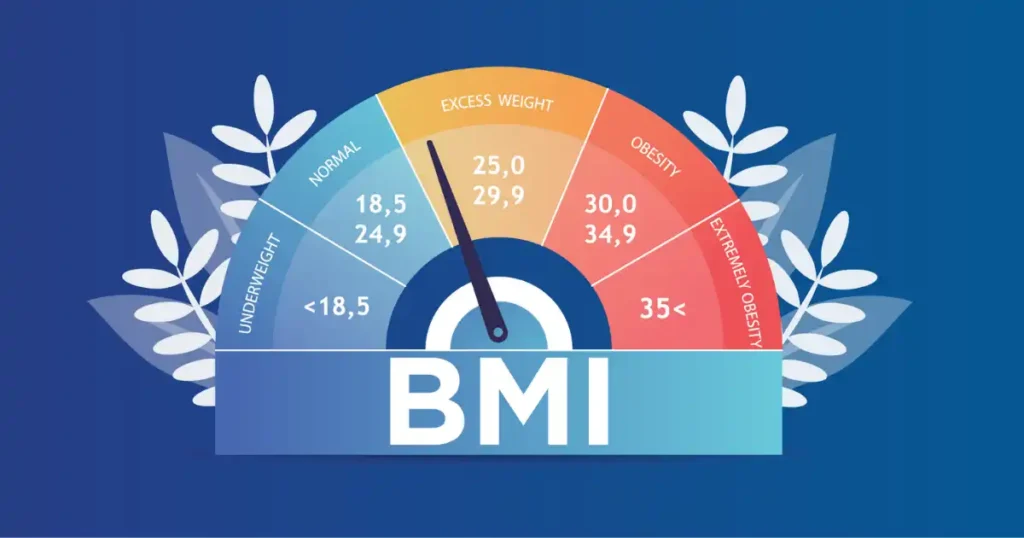
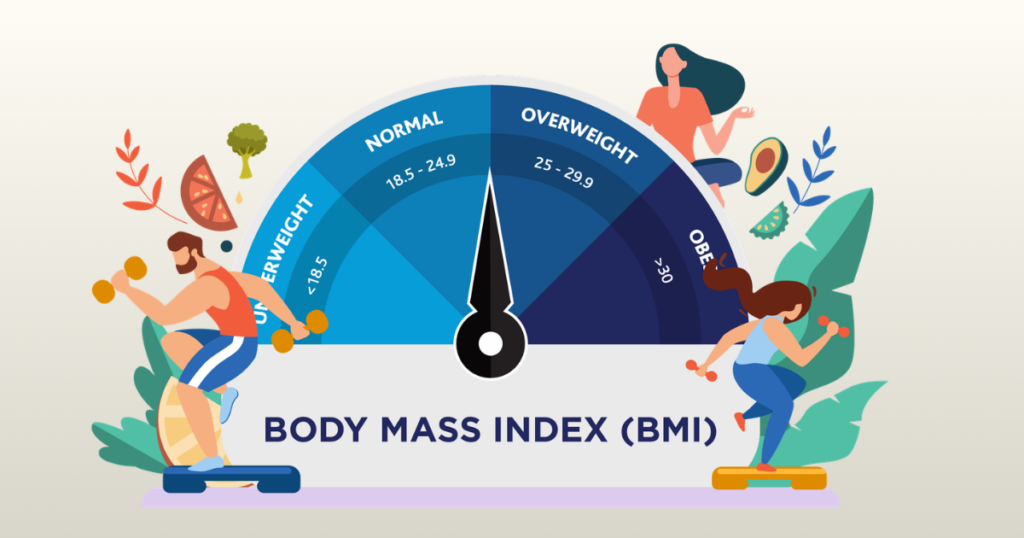
Body weight can affect blood pressure, blood sugar, and heart strain. BMI is one screening tool, not the full story. It can miss muscle, age, and where fat sits. You can try a BMI calculator for women as a starting point, and then talk with your doctor. Also read about a healthy weight range for women and BMI for women over 50.
For food, many doctors suggest a Mediterranean-style pattern: vegetables, fruit, beans, whole grains, fish, and olive oil. Here is a simple plan for Mediterranean diet for weight loss. You can also browse heart-healthy foods for women.
The AHA suggests keeping sodium under 2,300 milligrams a day, and 1,500 is even better for many people. Enough protein helps muscles rebuild, so see how protein needs for women can vary. If you have swallowing trouble, follow your speech therapist’s food texture rules first.
Sleep, Stress, and Daily Movement
Sleep apnea is common after stroke and often goes unnoticed. Loud snoring, gasping, and daytime sleepiness are clues. Ask about a sleep test. Poor rest also affects appetite and weight, as shown in this page on how sleep affects your weight.
Stress can push blood pressure up. A short walk, deep breathing, or a phone call with a friend can help. Read more on stress and weight gain. Quit smoking too. Ask your doctor about help. It works better with support.
Caregivers: Helping Without Taking Over
Caregivers are the quiet heroes. They also get tired, and their needs get missed.
The best rule I know is “do with, not for.” If your loved one can button one button, let them try. Give time. Cheer small wins. Yes, it is faster to do it yourself. But it does not build the brain.
Look after yourself, too. Take breaks. Ask for help from friends, faith groups, or local respite services. Join a caregiver group. A cranky, worn-out caregiver helps no one, and that includes you. Sleep counts as a caregiving skill.
Learn safe transfer methods from the therapist. Bad lifting hurts backs and shoulders. Ask them to watch you practice at least once.
Paying for Rehab: Insurance, Medicare, and Costs
Money stress is real. Let me lay out the basics in plain words. Rules change, so check your own plan.
Medicare Part A can cover inpatient rehab facility stays if you meet certain conditions. Medicare Part B usually covers outpatient therapy and doctor visits, often with cost sharing. Private insurance and Medicaid vary by state and plan. Many require prior approval and set visit limits.
Here is what I suggest:
- Ask the hospital case manager to explain your options before discharge
- Request a written list of what your plan covers
- Ask about appeals if a service is denied
- Keep copies of all forms and notes from your doctor
Nonprofits, state programs, and hospital financial aid can also help with equipment and costs. Do not be shy about asking.
Warning Signs and When to Call for Help
Recovery is not the finish line. A second stroke can happen. Know the signs and act fast.
Use BE FAST:
- Balance: sudden loss of balance
- Eyes: sudden vision change
- Face: one side drooping
- Arm: weakness or numbness
- Speech: slurred or strange words
- Time: call 911 right away
Do not wait to see if it passes. Note when symptoms began. Also call your care team for new, sudden changes, such as severe headache, a swollen and painful leg, chest pain, or a fall.
Common Myths About Stroke Recovery
Myths can steal hope. Let me knock a few down.
Myth: You only recover in the first six months. Gains are often fastest early. But many people improve for years with steady practice.
Myth: Rest is the best medicine. Rest matters. But the brain rewires through active practice, not long sofa days.
Myth: No pain, no gain. Effort should feel hard. Sharp pain is a stop sign.
Myth: A weak arm should be left alone. Ignoring it can build learned non-use. Practice it, safely.
Myth: Home exercise replaces therapy. It adds to therapy. It does not replace guidance from a trained pro.
Frequently Asked Questions
Can you fully recover from a stroke?
Some people recover almost fully. Many recover a lot but keep some changes. It depends on the stroke and the rehab. Steady practice and early care improve your odds.
How long does stroke rehab take?
There is no single answer. Intense rehab often lasts weeks to a few months. Many people keep up therapy and home practice for a year or longer.
What is the best therapy for arm recovery?
Task-specific practice with lots of repetition has strong support. CIMT, mirror therapy, FES, and virtual reality may help too. Your therapist can match the tools to your level.
Can I learn to walk again after a stroke?
Many survivors regain walking, with or without a brace or cane. High-repetition gait training and balance work help most. Early, steady practice makes a difference.
Is it safe to exercise at home?
Often yes, when your doctor and therapist approve the plan. Start slow and keep a helper nearby. Stop and call your team for chest pain, dizziness, or new symptoms.
Final Recommendation
If I could sit beside you, here is what I would say. Start rehab as early as your team says it is safe. Pick a team you trust. Ask for task-specific practice, and ask how many reps you get. Explore tools like FES, mirror therapy, and telerehab if they fit your goals.
Then build a home routine you can live with. Small daily effort beats rare heroic effort. Guard your mood, sleep, and blood pressure too. Lean on people who love you. Celebrate the button, the step, the sentence.
Reclaiming your mobility is a marathon with many small finish lines. You do not need to run it fast. You just need to keep moving, safely, one day at a time.
This article is for education and does not replace medical advice. Talk with your doctor and rehab team before starting any new exercise or treatment.

Shakitul Alam is the CEO, Owner, and Co-founder of BMI Calculator Women AI. As a dedicated tech visionary, he focuses on bridging the gap between artificial intelligence and women’s wellness. Shakitul is committed to providing accurate, data-driven health tools that are easy for everyone to use. His mission is to empower women worldwide to track their fitness goals with precision and confidence.