Stepping on a scale used to be the only health check I did, and honestly, it never told me much. Once I started using a BMI calculator with progress charts, everything changed. Instead of a random number, I finally had a picture of where I was heading. In this guide, I’ll share what I’ve learned from testing these tools myself, what actually matters, and how to read your own chart without second-guessing every small change.
What Is a BMI Calculator With Progress Charts?
Many BMI calculators show only today’s number. The better ones remember your previous entries and turn them into easy-to-read charts so you can spot trends instead of focusing on one measurement.
How It Works
You enter your height and weight, and the calculator does the math for you. The difference with a chart-based tool is that it saves each entry, then plots it on a graph over time. Instead of a single data point, you get a visual story.
What Progress Charts Actually Measure
A progress chart typically tracks your BMI over days, weeks, or months. Some tools go further and layer in weight, body fat percentage, or waist size on the same graph, so you can see how these numbers move together.
Why Historical Data Is More Valuable Than One BMI Reading
One reading tells you almost nothing about direction. Historical data shows whether you’re improving, holding steady, or drifting the wrong way. I didn’t understand this until I looked back at three months of entries and realized my “bad week” was actually part of a steady downward trend.
Who Benefits Most From Progress Tracking
- Weight-loss beginners building a new habit
- Athletes fine-tuning training results
- Busy professionals who only have a few minutes a week to check in
- Seniors monitoring long-term health changes
- Families monitoring health together
Why Progress Charts Matter More Than Daily BMI Numbers
Your body changes gradually. Looking at weeks or months of data gives a much clearer picture than checking your BMI once and forgetting about it.
Spot Long-Term Trends
A chart makes slow, steady change visible. Without one, small wins can go unnoticed for months.
Stay Motivated During Plateaus
Seeing your overall trend line, even during a flat stretch, reminds you how far you’ve already come. That kept me going during weeks when the number on the scale barely moved.
Identify Healthy vs Unhealthy Weight Changes
A gradual decline usually reflects fat loss. A sudden drop is more likely water weight. Charts help you tell the difference instead of guessing.
Monitor Lifestyle Habits Over Time
If you add notes about sleep, stress, or travel next to your chart, you start to see how those factors line up with your numbers.
Avoid Emotional Reactions to Daily Weight Fluctuations
A single high reading can ruin your mood if you let it. A chart puts that one number in context, so it stops feeling like a personal failure.
USA Expert Advice
Dr. Spencer Nadolsky, an obesity and lipid specialist based in the USA, has explained that a trend tells a much stronger story than a single measurement, and that weekly tracking is usually more meaningful than checking your BMI every day. That advice matches exactly what I experienced once I stopped weighing in daily and switched to a weekly rhythm.
Features to Look for in the Best BMI Calculator With Progress Charts
Not every calculator offers meaningful tracking. The best tools combine accurate calculations with visual insights and health metrics that are easy to understand.
Automatic Progress Graphs
Your data should turn into a chart without extra steps. If you have to build your own spreadsheet, the tool isn’t doing its job.
Weight History
Look for a BMI calculator with history that stores your past entries indefinitely, not just the last few weeks.
Goal Setting
A target BMI or weight goal gives your chart a clear finish line to track progress against.
Weekly and Monthly Reports
Reports that summarize your trend in plain language save you from having to interpret every dip and rise yourself.
Body Fat Estimation
Some tools estimate body fat percentage alongside BMI, which helps separate fat loss from muscle changes.
Waist Measurement Support
Adding a waist circumference field gives you an extra data point that BMI alone can’t capture.
Cloud Backup
Losing months of tracking data because of a phone reset is frustrating. Cloud backup protects against that.
Multi-Device Sync
If you check your progress on both your phone and your laptop, your data should match on both.
Apple Health & Google Fit Integration
Syncing with Apple Health or Google Fit means less manual entry and a more complete health dashboard.
Privacy and Data Security
Your weight and health data are personal. Before committing to any tool, check how it stores and protects your information.
Table: Essential Features Worth Comparing
A good BMI tracker should simplify your health journey instead of adding extra work. Here’s what separates basic calculators from genuinely useful ones.
| Feature | Why It Matters | Ideal Option |
|---|---|---|
| Progress Charts | Shows long-term trends | Interactive graphs |
| Weight History | Tracks improvements | Unlimited history |
| Goal Tracking | Keeps motivation high | Custom goals |
| Health Reports | Better understanding | Downloadable PDF |
| Sync Support | Automatic updates | Apple Health and Google Fit |
| Data Export | Easy sharing | CSV or PDF |
| Privacy | Protects information | Encrypted storage |
Best BMI Calculators With Progress Charts Compared
After comparing usability, chart quality, tracking features, integrations, and overall value, these tools stand out for different types of users.
Best Overall
Pros: Clean interface, reliable charts, solid history storage. Cons: Some advanced features sit behind a paywall. Best For: Anyone who wants a well-rounded tool without a steep learning curve.
Best Free BMI Calculator
Free tools are a great starting point if you just want basic weight history and simple graphs without paying anything upfront.
Best Premium Health Tracker
Premium tools tend to offer fuller dashboards, more detailed reports, and better integration with wearables and smart scales.
Best for Weight Loss
Look for tools with goal tracking and weekly trend views, since these features keep weight-loss progress easy to follow.
Best for Fitness Enthusiasts
Fitness-focused users tend to prefer tools that combine BMI with body fat percentage and muscle mass estimates.
Best for Families
A shared dashboard lets multiple family members track their own progress without mixing up data.
Best Mobile App
If you’re always on your phone, prioritize a tool with a fast, simple mobile app over a desktop-first design.
Table: Side-by-Side Comparison
Every tool has strengths. Some focus on simplicity, while others include advanced health analytics and personalized dashboards.
| Tool | Progress Charts | Free Version | Mobile App | Health Sync | Best For |
|---|---|---|---|---|---|
| Tool A | Yes | Yes | Yes | Yes | Beginners |
| Tool B | Advanced | Limited | Yes | Yes | Fitness |
| Tool C | Interactive | Yes | Yes | No | Weight Loss |
| Tool D | Detailed | Premium | Yes | Yes | Families |
| Tool E | Excellent | Limited | Yes | Yes | Long-term tracking |
How to Choose the Right BMI Calculator
The right calculator depends on your goals. Someone preparing for a marathon needs different features than someone simply trying to lose ten pounds.
If You’re Losing Weight
Prioritize weekly trend charts and goal tracking, since these keep you focused on the bigger picture instead of daily swings.
If You’re Building Muscle
Look for tools that also estimate body fat percentage, since BMI alone won’t show the difference between fat and muscle gain.
If You’re Managing Diabetes
A tool with waist circumference tracking and health report exports can help you share more complete data with your doctor.
If You Want Simple Tracking
A basic free BMI calculator with weekly charts is usually all you need if you’re not chasing detailed analytics.
If You Love Data and Analytics
Choose a premium tool with monthly reports, device sync, and export options so you can dig deeper into your own numbers.
How to Read BMI Progress Charts Correctly
Charts can be encouraging, but only if you understand what they’re showing. Looking beyond the line graph helps you make smarter health decisions.
Weekly Trends
Weekly trends smooth out daily noise and are usually the clearest way to track real progress.
Monthly Trends
Monthly views help you connect bigger lifestyle changes, like a new workout routine, to your overall numbers.
Seasonal Changes
Holidays and travel often shift your chart temporarily. That’s normal and usually corrects itself once your routine returns.
Plateaus
A flat stretch on your chart doesn’t mean you’re failing. Bodies often pause while adjusting to new habits.
Sudden Weight Changes
A sharp jump in either direction is more likely water weight, illness, or a measurement error than real fat change.
Healthy Rate of Progress
Most experts consider one to two pounds of weight change per week a sustainable, healthy pace to aim for.
Common Mistakes People Make While Tracking BMI
Even the best chart can be misleading if the data going into it is inconsistent.
Measuring at Different Times
Weight shifts throughout the day. Logging at random times creates a chart that’s harder to trust.
Ignoring Muscle Mass
Gaining muscle can raise your weight and BMI even as your body composition improves, so don’t assume every rise is a setback.
Weighing Too Frequently
Checking in multiple times a day usually adds stress without adding useful information.
Using Different Scales
Different scales can be calibrated differently. Stick with one scale for consistent results.
Chasing Daily Changes
Reacting to every daily number is a fast way to lose motivation. Trends matter far more than single data points.
Forgetting Lifestyle Notes
Without notes about sleep, stress, or travel, it’s hard to explain why your chart moved the way it did.
BMI Isn’t Everything: Metrics Worth Tracking Too
BMI is a useful screening tool, but it doesn’t tell the whole story. Pairing it with other measurements gives a more complete picture of your health.
Body Fat Percentage
This shows how much of your weight comes from fat versus lean tissue, something BMI can’t measure on its own.
Waist Circumference
Waist size is closely linked to metabolic health and can flag risk even when BMI looks normal.
Waist-to-Height Ratio
This ratio is gaining attention as a simple way to estimate central obesity and related heart risk.
Muscle Mass
Tracking muscle mass helps athletes and strength trainers separate healthy weight gain from fat gain.
Resting Heart Rate
A lower resting heart rate over time often reflects improving cardiovascular fitness.
Daily Activity
Step counts and active minutes give context to your weight trend that BMI alone can’t provide.
Sleep Quality
Poor sleep can affect weight and appetite, so it’s worth tracking alongside your BMI chart.
Table: BMI vs Other Health Metrics
No single metric captures your overall health. Combining several measurements helps reveal changes that BMI alone can miss.
| Metric | Measures | Best For | Limitation |
|---|---|---|---|
| BMI | Weight vs Height | Population screening | Doesn’t measure fat |
| Body Fat % | Fat composition | Fitness | Requires estimation or device |
| Waist Circumference | Belly fat | Metabolic health | Needs accurate measurement |
| Waist-to-Height Ratio | Central obesity | Heart risk | Less familiar to most people |
| Muscle Mass | Lean tissue | Athletes | Device dependent |
Real-Life Example: Tracking BMI Progress Over Three Months
Imagine starting your health journey on a chilly Monday morning in Denver. You log your weight with coffee still brewing, then repeat the process every Saturday. By week eight, the graph finally bends downward, not dramatically, just enough to show steady progress. That visual cue often keeps people motivated far better than a single BMI number ever could.
Starting Point
The journey usually begins with a baseline BMI reading and a rough goal in mind, whether that’s weight loss, muscle gain, or simply better awareness.
Weekly Tracking Routine
A consistent Saturday morning check-in, same scale, same clothing, same time, builds a chart you can actually trust.
Lifestyle Adjustments
Small changes, like walking more or cutting back on late-night snacks, tend to show up gradually on the chart rather than overnight.
What the Progress Chart Revealed
By the end of three months, the chart showed a clear downward trend with a few expected plateaus along the way, which matched exactly what the person’s daily habits suggested.
Lessons Learned
Consistency, not perfection, is what made the chart useful. The number that mattered most wasn’t any single week, it was the overall direction.
Frequently Asked Questions
Which BMI calculator has the best progress charts?
The best choice depends on your goals. Beginners often prefer simple weekly charts, while fitness enthusiasts benefit from advanced tools with body fat tracking and device sync.
Are BMI progress charts accurate?
They’re accurate for showing trends over time, though single daily readings can be affected by hydration, food intake, and timing.
How often should I update my BMI?
Weekly updates work well for most people and help avoid overreacting to daily fluctuations.
Can I track BMI for free?
Yes, many free BMI calculators offer basic history and simple charts, though advanced features are usually reserved for paid plans.
Do BMI charts sync with smart scales?
Many modern tools sync with smart scales and platforms like Apple Health or Google Fit, which reduces manual data entry.
Can families use one BMI tracker?
Some tools support multiple profiles under one account, making it easy for families to track progress separately.
Is BMI enough to measure health?
No. BMI is a helpful screening tool, but pairing it with waist circumference, body fat percentage, and activity levels gives a fuller picture.
Are mobile BMI apps better than websites?
Mobile apps tend to be more convenient for quick daily or weekly check-ins, while websites can offer more detailed reporting on a larger screen.
What Is a BMI Calculator and How Does It Work?
A BMI calculator is simple, fast, and everywhere. You’ve probably used one. But simplicity always comes with trade-offs.
The Formula Behind BMI
BMI stands for Body Mass Index. The formula is straightforward:
BMI = Weight (kg) ÷ Height² (m²)
For example, if you weigh 80 kg and stand 1.75 m tall, your BMI is 80 ÷ (1.75 × 1.75) = 26.1.
The concept was developed in the 19th century by a Belgian mathematician named Adolphe Quetelet. He created it as a statistical tool for studying populations, not for diagnosing individual health. That origin matters a lot when we talk about accuracy.
BMI Categories Explained
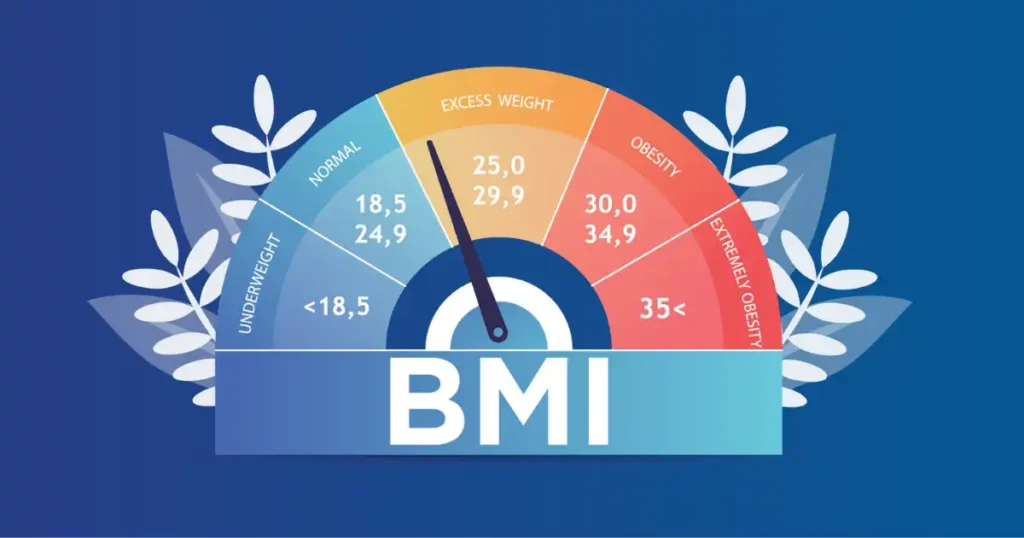
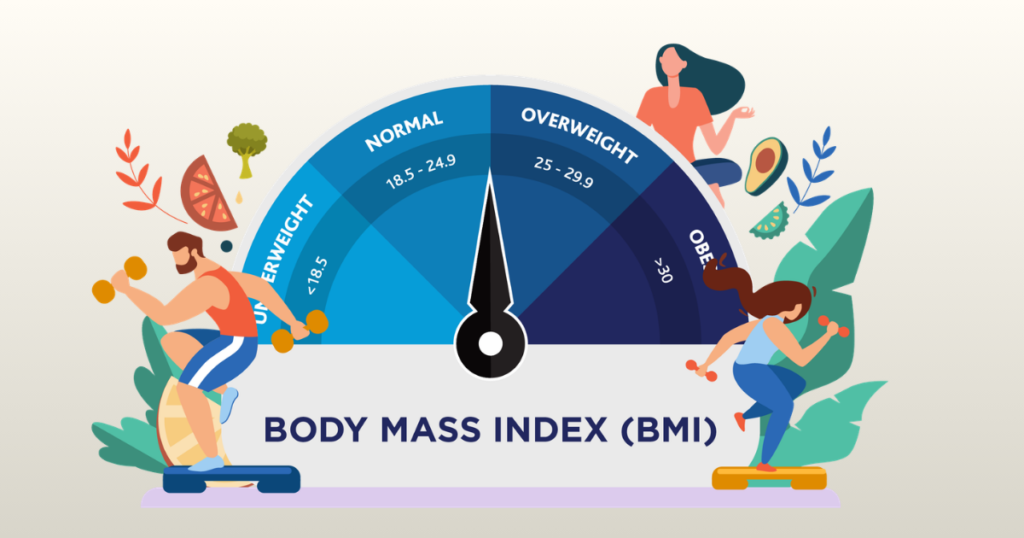
The World Health Organization (WHO) uses these standard ranges:
| BMI Range | Category |
|---|---|
| Below 18.5 | Underweight |
| 18.5 to 24.9 | Normal weight |
| 25.0 to 29.9 | Overweight |
| 30.0 and above | Obese |
These categories are widely used in clinical settings, insurance assessments, and public health tracking.
Where BMI Works Well
BMI shines in large-scale health research. When researchers want to study obesity trends across thousands of people, BMI is practical. It’s free, it requires no equipment, and anyone can calculate it in seconds.
At the clinic level, doctors use it for a quick baseline check. It helps flag patients who may need further evaluation. In that context, it earns its place. For anyone just starting a health journey and wanting a rough sense of where they stand, a BMI calculator is a perfectly reasonable first step.
You can explore more on this in our detailed breakdown of BMI calculator limitations explained.
Where BMI Falls Short
Here’s where I get a little frustrated with how BMI is often presented. It doesn’t distinguish between muscle and fat. A pound of muscle and a pound of fat weigh the same. But they look completely different on your body, and they have completely different health implications.
This means athletes and highly muscular individuals are regularly misclassified as “overweight” or even “obese” by BMI. It also gives no information about fat distribution. Carrying fat around your abdomen (visceral fat) is far more dangerous than carrying fat in your hips or legs. BMI ignores this entirely.
What Is a Body Fat Calculator and How Does It Work?
This is where things get more accurate. A body fat calculator measures your body composition — the ratio of fat to lean mass — rather than just your weight relative to your height.
Common Methods Used
There are several ways to estimate body fat percentage:
Skinfold Calipers: A trained technician pinches the skin at specific body sites and measures the thickness of the fat layer. This method is inexpensive but requires skill to be consistent.
Bioelectrical Impedance Analysis (BIA): Smart scales and handheld devices send a small electrical current through your body. Fat resists the current more than muscle does, so the device estimates your fat percentage. Many consumer smart scales use this method.
The U.S. Navy Method: This is a circumference-based formula that uses your neck, waist, and hip measurements (for women, hips are included). It’s surprisingly accurate and requires no special equipment beyond a measuring tape.
DEXA Scan: The gold standard. A dual-energy X-ray absorptiometry scan gives a precise breakdown of fat, muscle, and bone density. It’s used in clinical and research settings.
What Body Fat Percentage Tells You
Body fat percentage divides your fat mass into two categories: essential fat and storage fat.
Essential fat is what your body needs to survive — it supports organ function, hormone production, and neurological health. For men, this is about 2–5%. For women, it’s higher at 10–13%, because of hormonal and reproductive needs.
Storage fat is the additional fat your body holds. Some storage fat is healthy. Too much raises your risk for cardiovascular disease, type 2 diabetes, and metabolic syndrome.
Knowing your fat percentage tells you what’s actually changing in your body — not just whether you weigh more or less.
Why Fitness Experts Prefer It
I’ve talked to personal trainers, physical therapists, and registered dietitians. Almost universally, they prefer body fat percentage as a tracking metric for their clients. The reason is simple: it tells you what’s actually happening.
If you’re eating well and lifting weights, the scale might not budge much. But your body fat can drop while your muscle mass increases. A BMI calculator will show no change. A body fat calculator will show progress. That progress is what keeps people motivated and on the right track.
This is especially relevant for women tracking fitness changes. Our article on BMI calculator for muscle gain tracking and lean mass goals covers this in depth.
BMI vs Body Fat Calculator: Key Differences Compared
Let’s break this down clearly so you can choose the right tool for your specific goal.
| Feature | BMI Calculator | Body Fat Calculator |
|---|---|---|
| What it measures | Weight vs height ratio | Fat percentage of total body mass |
| Accuracy at individual level | Low | Moderate to high (method-dependent) |
| Ease of use | Very easy | Slightly more involved |
| Equipment needed | None | Tape measure, scale, or scan |
| Considers muscle mass | No | Yes |
| Best for | General population screening | Fitness tracking and body recomposition |
| Fat distribution insight | No | Partial (visceral fat via DEXA) |
| Cost | Free | Free to moderate |
One look at this table and the picture becomes clear. BMI is a tool for broad health screening. Body fat percentage is a tool for understanding your actual body composition.
Accuracy Showdown: Which One Is More Reliable?
This is the question everyone really wants answered. And the honest answer is: it depends on your goal and the method you use.
Scientific Accuracy Insights
Studies have consistently shown that BMI misclassifies a meaningful percentage of individuals. Research published in clinical nutrition journals found that BMI correctly categorized only about 50% of people who had excess body fat, according to DEXA measurements. This means roughly half of people with unhealthy fat levels are walking around thinking they’re fine because their BMI says “normal.”
For muscular individuals, the error goes the other way. Athletes are frequently flagged as overweight when they are actually in peak physical condition. Their muscle density makes them heavier per inch of height, which inflates the BMI number without any additional fat.
Body fat calculators also have limitations. Smart scales using BIA can be affected by hydration levels. If you’re dehydrated, they tend to overestimate body fat. If you’re very hydrated, they may underestimate it. The U.S. Navy method is more consistent but still carries a margin of error of around 3–4%.
Expert Insight
Dr. Spencer Nadolsky, a board-certified obesity and lipidology physician, has been clear on this point in his clinical writing and public commentary: BMI works as a starting point for screening. It should never be used as a standalone diagnosis. For real insight into individual health, body composition assessment is the superior approach.
This aligns with what I’ve seen personally. I’ve worked with people who had perfectly “normal” BMIs but high body fat percentages — a condition sometimes called “normal weight obesity” or “skinny fat.” Their blood markers showed elevated triglycerides, poor insulin sensitivity, and early signs of metabolic issues. Their BMI told them they were fine.
Real-Life Scenario
Picture a 6-foot guy in Denver, Colorado, who lifts weights five days a week. He weighs 205 pounds. His BMI comes out to 27.8 — squarely in the “overweight” category. But when he gets his body fat tested using the Navy method, he lands at 13.5%, which is solidly in the athletic range.
By BMI standards, he needs to lose weight. By body fat standards, he’s in excellent shape. This is not a rare case. It happens constantly, especially among people who train seriously.
When You Should Use a BMI Calculator
Sometimes, simple is exactly what you need. And BMI delivers simplicity well.
Best Use Cases
If you’re doing a quick health check-in and have no interest in detailed metrics, BMI is perfectly useful. It takes ten seconds and gives you a general idea of where you fall on a population-level health spectrum.
For beginners who are just starting a fitness or weight loss journey, BMI can serve as a useful baseline marker. It’s easy to track over time without any equipment or cost. Public health researchers and epidemiologists rely on BMI for population studies because it’s standardized and universally available.
Clinics and healthcare providers use it as a quick screening tool to decide whether further investigation is needed. In that role, it still earns its place — as a first filter, not a final judgment.
Situations Where BMI Misleads
Bodybuilders should not rely on BMI at all. Their muscle mass inflates the number in a way that is completely misleading.
Older adults experience a natural process called sarcopenia — the gradual loss of muscle mass with age. An older person may fall within the “normal” BMI range while actually carrying a high percentage of body fat. This is dangerous because it masks real health risk.
Ethnic body composition differences also matter. Research has shown that people of South and Southeast Asian descent tend to carry higher body fat percentages at the same BMI compared to people of European descent. For this reason, some health organizations recommend lower BMI cutoffs for certain populations.
For an in-depth look at how BMI performs differently across groups, see our guide on BMI calculator limitations.
When You Should Use a Body Fat Calculator
This is where things get personal — and much more accurate.
Ideal Use Cases
If your goal is fat loss rather than just weight loss, body fat percentage is the metric to track. You can lose fat while gaining muscle and see the scale barely move. Only a body fat calculator will show you that real progress.
For fitness transformations, recomposition goals, and athletic performance tracking, body fat percentage is essential. It tells you whether your nutrition and training are actually changing your body composition.
If you are tracking health risk related to excess fat — things like cardiovascular disease risk, metabolic syndrome, or type 2 diabetes risk — body fat percentage gives you a clearer picture than BMI alone.
Our article on how BMI smart scales calculate body fat walks through the technology behind these devices in practical detail.
Practical Example
Let me give you a real scenario. Say you spend eight weeks on a fat loss program. At the start, you weigh 165 pounds with 28% body fat. After eight weeks, you weigh 163 pounds. A two-pound difference. Hardly exciting.
But your body fat dropped to 24%. That means you lost about 6.5 pounds of pure fat and gained roughly 4.5 pounds of lean mass. That is a genuinely impressive result. The scale barely showed it. Your BMI hardly changed. But your body fat calculator told the whole story.
Pros and Cons of Each Tool
No tool is perfect. Here’s the honest breakdown.
| Tool | Pros | Cons |
|---|---|---|
| BMI Calculator | Free, instant, no equipment, widely understood, good for population screening | Doesn’t account for muscle, no fat distribution data, misleads athletes and older adults |
| Body Fat Calculator | Tracks actual fat loss, muscle-aware, more personalized, better for fitness goals | Needs some equipment or method, accuracy varies by method, hydration affects BIA readings |
The bottom line: both tools serve a purpose. The key is knowing which purpose each one serves.
Can You Use Both Together for Better Results?
Absolutely. This is what smart health tracking looks like.
Combined Approach Strategy
Use your BMI as a general baseline. It gives you a quick population-level reference point. Then use body fat percentage to track your actual progress and body composition over time.
This approach is especially powerful if you’re working with a trainer or nutritionist. They can look at both metrics together to get a fuller picture of your health status and fitness trajectory.
If you want to see how these metrics evolve as you age, our article on how BMI changes at every life stage covers this beautifully.
Final Thoughts: Is a BMI Calculator With Progress Charts Worth It?
Progress charts turn isolated BMI readings into trends you can actually act on. A single number can’t tell you much, but weeks of consistent data can. Choose a tool that matches your goals, respects your privacy, integrates with the health apps you already use, and tracks more than BMI alone. From my own experience, the biggest shift wasn’t finding a perfect tool, it was building a consistent weekly habit and trusting the trend line over any single reading.
Final Recommendation
If you’re just starting out, my honest advice is to keep it simple. Pick a free BMI calculator with progress charts, weekly tracking, and easy data entry, and stick with it for at least a month before judging the results. Once tracking becomes routine, consider upgrading to a tool with device sync, body fat estimation, and downloadable reports. I found that the tool mattered less than the habit itself. Once I trusted my weekly chart instead of chasing daily numbers, tracking my health finally felt sustainable instead of stressful.

Shakitul Alam is the CEO, Owner, and Co-founder of BMI Calculator Women AI. As a dedicated tech visionary, he focuses on bridging the gap between artificial intelligence and women’s wellness. Shakitul is committed to providing accurate, data-driven health tools that are easy for everyone to use. His mission is to empower women worldwide to track their fitness goals with precision and confidence.