For years, I stepped on a bathroom scale and let one number decide how my day would go. That habit finally broke when a trainer in Portland, Oregon showed me my actual body fat percentage next to my weight, and the gap between the two numbers changed how I coach clients today. If you have ever felt confused by a scale that won’t budge even though your clothes fit better, the best body composition calculator can give you real answers instead of guesses. In this guide, I’ll walk you through the tools I trust, how they work, and how to pick the right one for your goals.
What Is a Body Composition Calculator?
A body composition calculator estimates what your body is actually made of, not just how heavy it is. It breaks your weight down into parts like fat, muscle, water, and bone, so you get a fuller picture of your health.
What Body Composition Means
Your body is not one single mass. It is a mix of different tissues, and each one tells a different story about your health.
- Body fat percentage: the share of your total weight that comes from fat
- Lean body mass: everything that is not fat, including muscle, organs, and water
- Skeletal muscle mass: the muscle attached to your bones that helps you move
- Water weight: the fluid in your cells and tissues, which shifts daily
- Bone mass: the weight of your skeleton
- Visceral fat: fat stored around your organs, linked to higher health risk
I like to explain it to clients this way: two people can weigh exactly 160 pounds and look completely different, because their body composition is not the same.
How Body Composition Differs from BMI
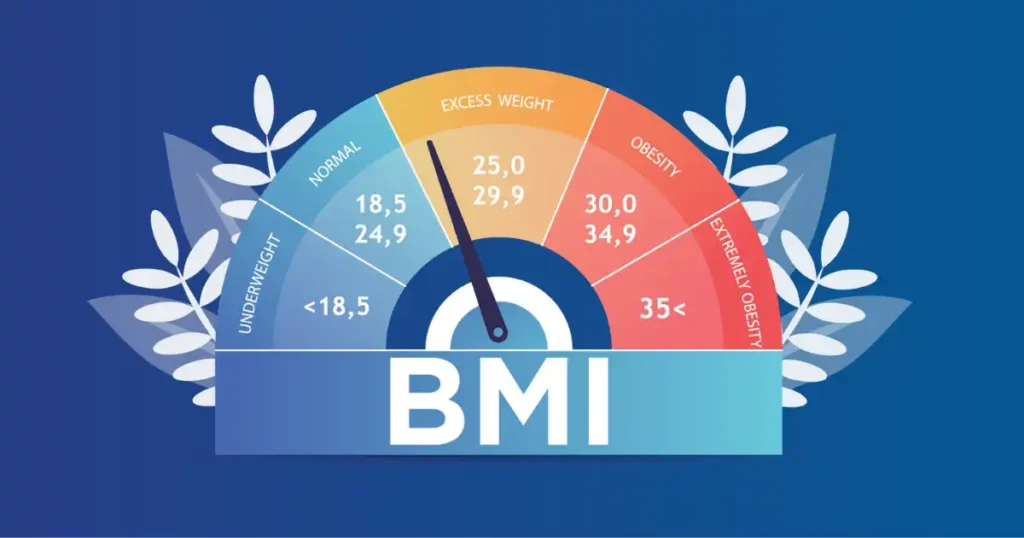
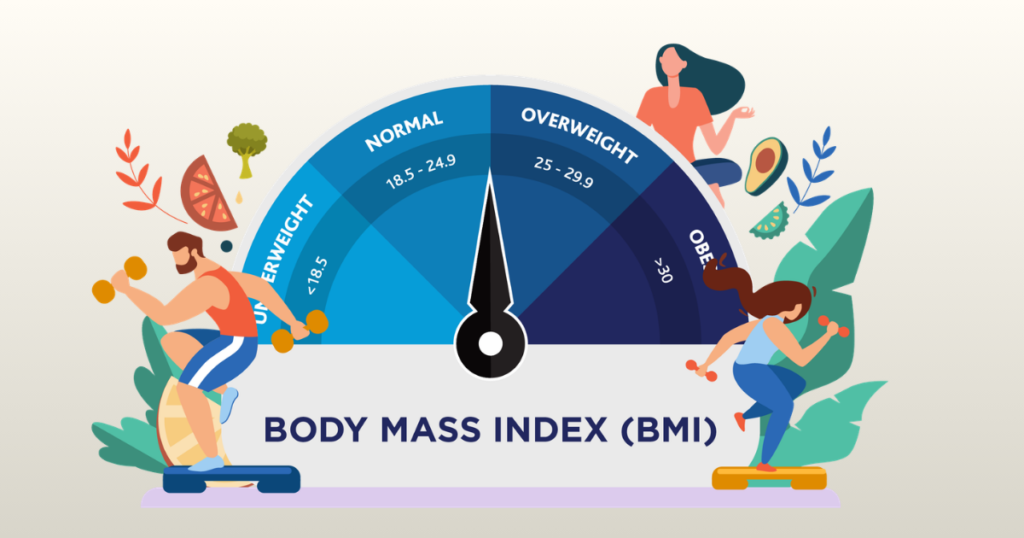
Body Mass Index (BMI) only looks at height and weight. It cannot tell fat from muscle. Two people with the same BMI can have very different health profiles.
I once worked with a former college linebacker and a sedentary office worker who had the same BMI. One had strong, dense muscle. The other carried extra fat. BMI treated them the same. Their actual health did not match at all.
Why It Matters
Tracking body composition helps with:
- Weight loss tracking that reflects fat loss, not water shifts
- Muscle building, so you know your training is working
- Fitness progress beyond the scale
- Disease prevention, since fat distribution affects risk
- Healthy aging, as muscle loss becomes a bigger concern over time
How Body Composition Calculators Work
Not every calculator uses the same method. Some rely on simple body measurements. Others use technology that reads your body at a deeper level.
Height and Weight Formulas
These use your height and weight in a math formula to estimate fat percentage. Most were built decades ago from population studies, so they work best as a rough starting point. They are quick, but less precise than methods that use body measurements. I still use them with brand new clients simply because they take thirty seconds and remove any excuse to skip tracking.
Circumference Measurements
Tools like the Navy method measure your neck, waist, and hips for women. These numbers are plugged into a formula that estimates body fat. This works because fat tends to collect in predictable places, so a few key measurements can stand in for a full body scan.
Bioelectrical Impedance Analysis (BIA)
BIA sends a mild electrical signal through your body. Since fat and muscle conduct electricity differently, the device estimates your composition based on how fast the signal travels. Muscle holds more water than fat, so it carries the signal faster. The scale converts that speed into an estimated body fat percentage.
Skinfold Measurements
A trained person uses calipers to pinch skin at specific points on your body. The thickness of the fold at each site gives an estimate of total body fat. Coaches have used this method for decades, and it remains an affordable option once you own a set of calipers.
DEXA-Based Calculations
DEXA scans use low-dose X-rays to measure fat, muscle, and bone separately. This is considered the gold standard for accuracy, though it requires a clinical visit. The scan takes about ten minutes and produces a detailed report broken down by body region, something no home tool can match.
Predictive Equations Used in Online Calculators
Most free online tools use published formulas built from research on large groups of people. They are not perfect for every body type, but they are useful for tracking your own trends over time. The key is picking one formula and sticking with it, since switching between calculators can make your progress look inconsistent even when it isn’t.
Air Displacement Plethysmography
This method places you inside a sealed chamber that measures how much air your body displaces. It is nearly as accurate as DEXA and is popular in university research labs and sports performance centers. It costs more than home tools, but it avoids radiation exposure entirely.
Hydrostatic Underwater Weighing
This older clinical method calculates body density by weighing you on land and then again while fully submerged in water. It is highly accurate but uncomfortable for many people, since it requires exhaling fully underwater. Most clinics have moved toward DEXA testing instead.
Quick Comparison of the Best Body Composition Calculators
After comparing common body composition methods, it becomes clear that each one serves a different purpose. Some are excellent for home tracking, while others offer medical-grade precision. Here is a side-by-side comparison to help you choose wisely.
Table 1: Best Body Composition Calculator Comparison
| Calculator | Measures | Accuracy | Best For | Free |
|---|---|---|---|---|
| Navy Body Fat Calculator | Body Fat % | High | Home users | Yes |
| Body Fat Percentage Calculator | Fat % | High | General fitness | Yes |
| Lean Body Mass Calculator | Lean Mass | Good | Muscle gain | Yes |
| Body Fat & Muscle Calculator | Fat + Muscle | Good | Fitness tracking | Yes |
| BIA Smart Scale Calculator | Multiple metrics | Moderate | Daily tracking | Partial |
| DEXA Body Composition | Full composition | Excellent | Clinical assessment | No |
| FFMI Calculator | Muscle index | High | Lifters | Yes |
| Fat-Free Mass Calculator | Fat-free mass | Good | Athletes | Yes |
11 Best Body Composition Calculators
The best calculator depends on your goal. Someone training for a marathon needs different insights than someone trying to lose belly fat after years at a desk job. Here are the eleven tools I recommend most often.
1. Navy Body Fat Calculator (Best Overall)
This is the tool I recommend first to almost every new client, and it remains my pick for the best body composition calculator for everyday use.
What it measures: Body fat percentage using circumference measurements.
Required measurements: Neck, waist, height, and hips (for women only).
Accuracy: High for most body types, with a small margin of error compared to lab methods.
Advantages: Free, fast, and needs only a tape measure. No special equipment required.
Limitations: Less accurate for very muscular or very lean individuals.
Best for beginners: Yes. It is simple enough to repeat at home every few weeks.
I have handed this exact calculator to hundreds of new clients on their first day, mostly because it takes the guesswork out of a first conversation about goals. You measure once, write the number down, and check again in a month. No app subscription, no special gear, just a tape measure and five minutes.
2. Body Fat Percentage Calculator
How it estimates body fat: This tool blends your age, weight, height, and sometimes waist size into a formula.
Healthy body fat ranges: Generally 10 to 20 percent for men and 18 to 28 percent for women, though ranges shift with age and activity level.
Pros: Easy to use, widely available, good for general tracking.
Cons: Less precise than measurement-based tools like the Navy method.
This calculator works well as a quick sanity check between more detailed measurements. I often suggest clients run this one alongside the Navy method during the first few weeks, just to see how closely the two numbers line up. If they land close together, you can trust your baseline.
3. Lean Body Mass Calculator
What lean body mass includes: Muscle, bone, organs, and water. Basically everything except fat.
Why it matters: Lean mass drives your metabolism. More lean mass often means you burn more calories at rest.
Ideal users: Anyone focused on muscle gain, strength training, or healthy aging.
I check this number with clients over 50 more than any other group. Muscle naturally declines with age, and watching lean mass over time gives an early warning before strength and balance start to slip.
4. Fat-Free Mass Calculator
Formula overview: This tool subtracts your estimated fat mass from your total weight to find fat-free mass.
Fitness applications: Useful for tracking whether weight changes come from fat or muscle.
Accuracy expectations: Reasonably reliable when paired with consistent body fat readings.
Runners and cyclists I coach lean on this number heavily during training blocks. Extra fat-free mass usually means more strength and power, while a drop can be an early sign of overtraining or under-eating.
5. FFMI Calculator (Fat-Free Mass Index)
Why bodybuilders use FFMI: It adjusts fat-free mass for height, making it easier to compare muscle development between people of different sizes.
Natural muscle potential: Research suggests there are limits to how much muscle a person can build without performance-enhancing drugs, and FFMI helps estimate where someone falls on that scale.
How FFMI differs from BMI: BMI ignores muscle entirely. FFMI focuses specifically on lean tissue, which makes it far more useful for lifters.
A natural FFMI score above 25 is considered rare without performance-enhancing drugs. I share this number carefully with clients, since it can be discouraging if muscle growth has stalled, but it also helps set realistic expectations for long-term training.
6. Bioelectrical Impedance (Smart Scale)
How BIA technology works: A weak electrical current passes through your body, and the device estimates composition based on resistance.
Hydration effects: Your hydration level can swing results by several percentage points in a single day.
Daily use tips: Weigh yourself at the same time each day, ideally in the morning, for the most consistent readings.
Smart scales are the tool I recommend most for daily habit building, even though I always remind clients not to trust a single reading. The real value shows up after four weeks of data, once the noise from daily hydration shifts smooths out into a clear trend line.
7. Waist-to-Height Ratio Calculator
Body fat distribution: This ratio checks whether fat is concentrated around your midsection, which carries more health risk than fat stored elsewhere.
Health risk prediction: A ratio above 0.5 is often linked to a higher risk of heart disease and type 2 diabetes.
Why doctors increasingly recommend it: It is simple, free, and works well across different body types and heights.
Some physicians now consider this ratio more useful than BMI for spotting early health risk, since it accounts for where fat sits on your body rather than just your total weight. I bring this measurement into almost every consultation, since it takes ten seconds and often tells a clearer story than the scale.
8. Waist-to-Hip Ratio Calculator
Cardiovascular risk: This ratio compares waist size to hip size to flag apple-shaped versus pear-shaped fat storage.
Healthy ranges: Generally under 0.90 for men and under 0.85 for women.
Pros and limitations: Quick and free, but less detailed than full body composition testing.
I find this ratio most useful for clients who carry weight differently than expected for their frame. It adds context that a single body fat percentage cannot capture on its own.
9. Body Roundness Index (BRI) Calculator
What BRI measures: A newer formula that estimates body shape and visceral fat using waist size and height.
How it compares with BMI: BRI accounts for body shape, while BMI does not.
Emerging research: Some studies suggest BRI may predict metabolic risk better than BMI, though more research is still underway.
I see BRI as a promising addition rather than a replacement for older tools. It is still new enough that I recommend pairing it with waist-to-height ratio until more long-term data becomes available.
10. DEXA Body Composition Assessment
Gold standard explanation: DEXA scans are considered the most accurate way to measure fat, muscle, and bone separately.
Metrics included: Total body fat, regional fat distribution, lean mass, and bone density.
Cost: Typically ranges from $50 to $150 per scan in the United States.
When it’s worth paying for: If you want precise data before starting a major fitness program, or you want to track bone density alongside body composition.
I usually suggest one DEXA scan at the start of a serious program and another six months later. The report also flags regional differences between your left and right side, which home tools simply cannot detect.
11. Skinfold Body Fat Calculator
How calipers work: A trained person pinches skin at several sites and measures the fold thickness.
Accuracy: Good when performed by an experienced technician using the same sites each time.
Common mistakes: Inconsistent pinch pressure, wrong measurement sites, and different testers between sessions.
If you go this route, have the same person take your measurements every time. Even small differences in pinch technique between two testers can throw off your results enough to hide real progress.
Which Body Composition Calculator Is Most Accurate?
Accuracy depends on both the method and how carefully measurements are taken. Even the best calculator benefits from consistent tracking over time.
Table 2: Accuracy Comparison
| Method | Accuracy | Cost | Home Friendly | Best Use |
|---|---|---|---|---|
| DEXA | Excellent | High | No | Clinical |
| Navy Formula | High | Free | Yes | Home |
| Skinfold | Good | Low | Yes | Fitness |
| Smart Scale (BIA) | Moderate | Moderate | Yes | Progress tracking |
| Waist-to-Height | High | Free | Yes | Health screening |
| FFMI | Good | Free | Yes | Muscle assessment |
How to Choose the Best Calculator for Your Goal
The best calculator is not the same for everyone. Your goal should guide your choice.
Weight Loss
Pair the Navy Body Fat Calculator with waist-to-height ratio tracking. This combination shows fat loss even when the scale barely moves. Check both every three to four weeks and log the numbers side by side so you can see the trend clearly.
Building Muscle
Use the FFMI calculator alongside a lean body mass calculator to confirm your gains are muscle, not just added weight. If both numbers rise together over a few months, your training and nutrition plan is working.
Improving Athletic Performance
Fat-free mass tracking helps athletes confirm that training is building useful tissue rather than adding unnecessary weight. Many coaches also track this number before and after a training block to judge whether a program actually delivered results.
Healthy Aging
Lean body mass tracking becomes more important with age, since muscle loss speeds up after 40 if it is not addressed with strength training. I recommend checking this number twice a year alongside a simple strength test, like how many push-ups you can complete.
Managing Obesity
Waist-to-height ratio and body fat percentage together give a clearer risk picture than weight alone. These two numbers, tracked together, tend to catch health risk earlier than weight changes alone.
General Wellness
A simple body fat percentage calculator, checked every few weeks, is enough for most people who just want to stay on track. There is no need to overcomplicate tracking if your only goal is staying healthy and consistent.
How to Measure Yourself Correctly
Small measuring mistakes can lead to surprisingly different results. A consistent routine matters more than chasing perfect precision.
Measuring Waist
Wrap the tape around your belly button, keep it level, and avoid sucking in your stomach.
Measuring Neck
Measure just below the larynx, keeping the tape snug but not tight.
Measuring Hips
Wrap the tape around the widest part of your hips while standing with your feet together.
Measuring Height
Stand straight against a wall without shoes, and measure from the floor to the top of your head.
Measuring Weight
Use the same scale each time, ideally after using the restroom and before eating.
Best Time of Day
- Morning, before breakfast
- Same clothing each time
- After using the restroom
- Similar hydration level as previous checks
Body Composition Tracking Tools I Recommend
A calculator only helps if you actually use it. Here are the simple tools that make tracking easier and more consistent.
A Basic Tape Measure
A cloth tape measure costs very little and works for the Navy method, waist-to-height ratio, and waist-to-hip ratio. I keep one in my gym bag at all times.
A Reliable Smart Scale
Choose a scale that saves your history in an app, so you are not stuck writing numbers down by hand. Look for one that lets you export data, in case you switch brands later.
A Simple Spreadsheet or Notebook
Even a basic spreadsheet works well for logging your numbers every few weeks. I still prefer this over most apps, since it lets me see every measurement in one place without extra clutter.
A Set of Skinfold Calipers
If you want a low-cost alternative to a smart scale, a set of skinfold calipers is a solid investment. Just remember that consistency in technique matters more than the tool itself.
Common Mistakes That Affect Body Composition Results
Many inaccurate readings come from simple habits that are easy to fix once you know what to watch for.
- Measuring right after a workout, when muscles are swollen with blood flow
- Drinking large amounts of water right before a smart scale reading
- Comparing results from two different calculators, since formulas vary
- Using inconsistent tape placement between sessions
- Tracking daily instead of weekly, which amplifies normal fluctuations
- Ignoring long-term trends in favor of one bad reading
I tell every client the same thing. One number means very little. A trend line over four to six weeks tells you the truth.
Body Composition Calculator vs BMI Calculator
BMI remains a useful screening tool, but it cannot distinguish fat from muscle. Body composition calculators provide more meaningful insight for individual health and fitness decisions.
Table 3: Body Composition vs BMI
| Feature | BMI Calculator | Body Composition Calculator |
|---|---|---|
| Measures Body Fat | No | Yes |
| Measures Muscle | No | Yes |
| Shows Lean Mass | No | Yes |
| Tracks Fitness Progress | Limited | Excellent |
| Useful for Athletes | Poor | Excellent |
| Better for Weight Loss | Moderate | High |
Real-Life Example: Why Tracking Composition Beats Tracking Weight
Real progress often shows up in body composition before it appears on the scale.
Denver, Colorado
On a chilly Monday morning, Emily, a 39-year-old office manager, stepped on her smart scale expecting dramatic weight loss after six weeks of strength training. The scale barely moved, just one pound. Frustrated, she almost gave up.
Then she checked her body composition. Her body fat percentage had dropped by nearly 3 percent, and her lean muscle mass had increased. Her jeans fit better, climbing stairs felt easier, and carrying groceries no longer left her winded. That moment shifted her focus from chasing a number to building a healthier body.
I have seen this exact scenario play out with dozens of clients. The scale is often the last thing to reflect real progress.
Expert Advice: Focus on Trends, Not One Reading
Health experts consistently recommend watching patterns over time instead of reacting to a single measurement.
Dr. Spencer Nadolsky, an obesity and lipid specialist in the United States, has noted that body composition tells us much more than weight alone, and that looking at changes over weeks and months provides a clearer picture of health.
Practical tips from my own coaching experience:
- Measure every 2 to 4 weeks, not daily
- Use the same calculator each time for consistency
- Combine body fat percentage with waist measurements
- Take progress photos alongside your numbers
- Record strength improvements next to body composition changes
Frequently Asked Questions
What is the best body composition calculator?
The Navy Body Fat Calculator is the best overall choice for most people, since it is free, accurate, and only requires a tape measure.
Which calculator is the most accurate?
DEXA scans offer the highest accuracy, but they require a clinical visit. For home use, the Navy method and waist-to-height ratio are both reliable choices.
Can I measure body composition at home?
Yes. The Navy Body Fat Calculator, skinfold calipers, and smart scales all work well for home tracking when used consistently.
Are smart scales accurate?
Smart scales are moderately accurate. Hydration, food intake, and time of day can all shift the reading, so consistency matters more than any single result.
Is DEXA worth the cost?
DEXA is worth it if you want precise baseline data or plan to track bone density along with body composition. For general fitness tracking, free home methods work well.
How often should I measure body composition?
Every 2 to 4 weeks is enough for most people. Measuring too often can lead to frustration over normal daily fluctuations.
Can body composition replace BMI?
Body composition gives a more complete picture, but BMI still has value as a quick screening tool for large population studies.
Which calculator is best for muscle gain?
The FFMI calculator and lean body mass calculator work well together to track whether your training is building real muscle. Checking both every couple of months gives you a clear signal without over-tracking.
Do body composition calculators work for all body types?
Most formulas were built using data from specific population groups, so accuracy can vary for very muscular, very lean, or older individuals. This is one reason I recommend sticking with one method and watching your personal trend rather than comparing your number to someone else’s.
What is a healthy body fat percentage by age?
Healthy ranges shift as we age, generally trending a bit higher for older adults. A simple rule I share with clients is that consistency in tracking matters more than hitting an exact number, since individual health markers vary widely even within the same age group.
When to See a Doctor or Specialist
A calculator is a helpful guide, but it is not a diagnosis. If your numbers show a sudden, unexplained change, or if you have concerns about your weight, muscle loss, or overall health, talk with a doctor or registered dietitian. This is especially true for older adults, anyone managing a chronic condition, or anyone recovering from an illness or surgery. Home tools work best as part of a bigger picture that includes professional guidance when needed.
A Simple Tracking Routine You Can Start Today
If all of this feels like a lot to take in, here is the routine I give most new clients on day one.
- Pick one calculator, ideally the Navy Body Fat Calculator or a smart scale you already own
- Take your first measurement in the morning, before breakfast
- Write the number down somewhere you will actually check again
- Repeat the same measurement every three to four weeks
- Compare trends, not single readings, after two or three checks
This routine takes less than five minutes a month, and it has helped more of my clients stay motivated than any single high-tech gadget I have tried.
Final Recommendation
After years of using these tools with real clients, here is where I land. If you only pick one tool, start with the Navy Body Fat Calculator. It is free, simple, and accurate enough to guide most fitness decisions. If your goal is muscle gain, add the FFMI calculator to your routine. If you want the most complete picture available and don’t mind the cost, a DEXA scan once or twice a year gives you data that home tools simply cannot match.
Whatever you choose, remember that consistency beats precision. The best body composition calculator is the one you will actually use the same way, at the same time, every few weeks.
Conclusion
The right body composition calculator helps you look beyond weight and understand what your body is really doing.
- Best overall: Navy Body Fat Calculator
- Best for beginners: Body Fat Percentage Calculator
- Best for athletes: FFMI Calculator
- Best free option: Waist-to-Height Ratio Calculator
- Best premium assessment: DEXA Body Composition
- Best daily tracker: Smart Scale (BIA)
I built this guide from years of coaching people through the same frustration I once had, staring at a scale that refused to reflect real progress. Give one of these calculators a real try for a full month. I think you will notice, just like Emily did, that the number on the scale was never the whole story.

Shakitul Alam is the CEO, Owner, and Co-founder of BMI Calculator Women AI. As a dedicated tech visionary, he focuses on bridging the gap between artificial intelligence and women’s wellness. Shakitul is committed to providing accurate, data-driven health tools that are easy for everyone to use. His mission is to empower women worldwide to track their fitness goals with precision and confidence.