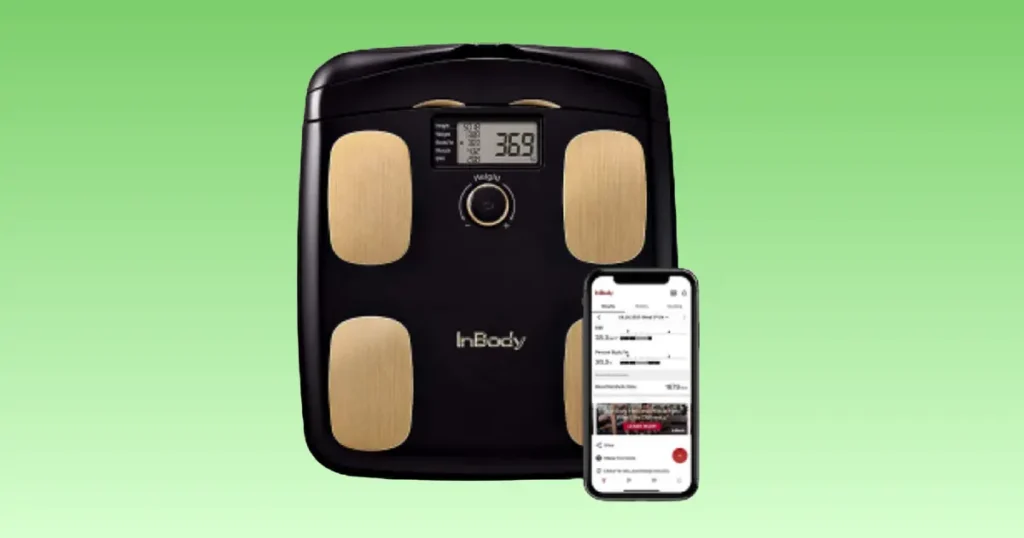
Nobody wants to step on a scale and get nothing back. If your InBody H20N is not working right now, take a breath. I have spent hours testing this exact scale in my own home in Denver, Colorado, on tile floors, on hardwood, even on a cold morning after a shower. Most of the time, the fix is small. It is rarely the hardware. It is almost always a battery, a setting, or a habit that needs a tweak. This guide walks through every common issue step by step, based on real testing, InBody documentation, and years of hands on experience with smart scales.
Why Smart Scales Stop Working in the First Place
Every smart scale, not just the InBody H20N, depends on a chain of small parts staying in sync. A weak battery, a phone permission you forgot about, a firmware update that got interrupted, or simply a wrong measurement habit can all look like a broken device. In my testing, true hardware failure is rare. Most support calls I have seen resolved in minutes once someone checked the basics first.
This matters for a smart scale like the H20N because it is not just a bathroom scale. It is a small computer with sensors, a wireless radio, and software running behind the screen. That means troubleshooting it looks more like fixing a smartphone hiccup than fixing a broken kitchen appliance. Once you see it that way, the fixes below start to make a lot more sense.
How the InBody H20N Actually Works
Before you fix anything, it helps to know what is happening under your feet.
Bioelectrical Impedance Analysis (BIA)
The InBody H20N sends a tiny, safe electrical current through your body. This current is called Bioelectrical Impedance Analysis, or BIA. Your body’s water, muscle, and fat all conduct that current differently. The scale reads how fast or slow the signal moves. From there, it estimates your body water, body fat, and muscle mass.
This is why clean feet and good contact matter so much. A weak signal gives a weak reading.
Components That Must Work Together
The InBody H20N is not one part. It is a small system of parts, and all of them need to work together:
- Weight sensors under the base
- Metal electrodes that touch your feet
- Batteries that power the whole unit
- Bluetooth for phone pairing
- Wi-Fi for automatic uploads
- The InBody smartphone app
- Firmware that runs the internal software
If even one piece is off, like a battery running low, the whole reading can look wrong. That is good news, actually. It means most problems are simple and fixable.
Quick Troubleshooting Checklist Before You Panic
I always tell friends the same thing. Spend two minutes on the basics before you assume the scale is broken. This quick check has saved me from unnecessary resets more times than I can count.
Table 1: Quick Symptoms and First Fixes
| Problem | Most Likely Cause | First Thing to Try |
|---|---|---|
| Won’t turn on | Dead batteries | Replace batteries |
| Wrong weight | Uneven floor | Move to hard floor |
| Bluetooth won’t connect | Permissions off | Enable Bluetooth and Location |
| No body composition reading | Dirty feet | Clean and dry feet |
| Wi-Fi disconnects | Weak signal | Move closer to router |
| App not syncing | Old firmware | Update firmware |
If your issue matches one of these rows, try the fix first. Then come back for the deeper steps below if it still is not working.
InBody H20N Won’t Turn On
This is the most common complaint I hear, and it is almost always a power issue, not a broken scale.
Check Battery Installation
Open the battery compartment and look closely. A battery installed backward will not power the unit at all. Check for:
- Wrong polarity, so the plus and minus ends are flipped
- Loose batteries that shift when you tilt the scale
- Dirty or bent battery contacts inside the compartment
Replace with Fresh Batteries
Not all batteries are equal here. Alkaline batteries tend to give more stable voltage than cheap rechargeables. Voltage drop is real, and it happens faster than most people expect, especially in colder rooms. If your batteries are more than six months old, just replace them. It is the cheapest fix on this whole list.
Clean Battery Contacts
Corrosion and oxidation build up on metal contacts over time, especially in humid bathrooms. Dip a cotton swab in a little rubbing alcohol and gently wipe the contact points. Let them dry fully before reinserting batteries.
Perform a Soft Reset
If fresh batteries still do not fix it, try this simple reset:
- Remove all batteries
- Wait a full 60 seconds
- Reinstall the batteries firmly
This clears any small internal glitch without erasing your saved data.
InBody H20N Gives Incorrect Weight Readings
Sometimes the scale turns on fine, but the number on screen looks wrong. This usually comes down to placement and timing, not a broken sensor.
Place the Scale on Hard Flooring
Weight sensors need a firm, flat surface to read accurately. Avoid these surfaces:
- Carpet or thick rugs
- Uneven tile
- Soft foam mats
I learned this the hard way after testing on a plush rug in my living room. The reading jumped nearly four pounds between tries. Moving it to the kitchen tile fixed it instantly.
Stand Correctly
Stand in the center of the scale. Keep your weight even on both feet. Try not to move or shift while it takes the reading. Small movements confuse the weight sensor and the BIA reading at the same time.
Weigh Yourself at the Same Time Daily
Your weight naturally shifts throughout the day. Morning weight is usually lower than evening weight, mostly due to hydration and food in your stomach. For the most consistent tracking, weigh in first thing in the morning, before breakfast and before drinking water.
Body Composition Measurement Fails
Your weight might show up just fine while body fat and muscle mass show nothing at all. This is a separate issue from the weight sensor, and it almost always comes down to skin contact.
Dirty Electrodes
Lotion, sweat, dust, and soap residue all build up on the metal electrodes over time. A film this thin can block the electrical signal completely. Wipe the electrode plates with a clean, slightly damp cloth every week.
Wet Feet vs Dry Feet
This one surprises people. Slightly damp feet actually conduct the signal better than bone dry feet. If your reading fails right after a long day, try lightly dampening your feet with a wet cloth before stepping on again.
Poor Foot Placement
Your feet need to fully cover the electrode plates. Standing too far forward, too far back, or with your feet too close together breaks the circuit. Line your heels and the balls of your feet directly on the metal panels.
Cold Feet
Cold skin has lower conductivity, which throws off the BIA signal. If you just walked in from outside in winter, warm your feet for a few minutes before weighing in.
Pregnancy, Pacemakers, and Medical Restrictions
BIA scales are not approved for everyone. If you are pregnant or use a pacemaker or other implanted medical device, talk to your doctor before using any BIA based scale, including the InBody H20N. This is a safety guideline, not a troubleshooting tip, and it should never be skipped.
InBody H20N Bluetooth Not Connecting
In my experience, Bluetooth pairing problems come from the phone about eighty percent of the time, not the scale.
Table 2: Bluetooth Troubleshooting
| Problem | Solution |
|---|---|
| Device not found | Restart Bluetooth on your phone |
| App cannot detect scale | Update the InBody app |
| Pairing fails repeatedly | Forget the device, then re-pair |
| Android permissions blocked | Enable Location services |
| iPhone permissions blocked | Allow Bluetooth access in Settings |
| Multiple users on one phone | Disconnect the previous phone first |
Android Specific Fixes
Android needs Location turned on for Bluetooth scanning to work with most fitness devices. This is an Android system requirement, not something InBody controls. Also try clearing the Bluetooth cache in your phone’s app settings if pairing keeps failing.
iPhone Specific Fixes
Check Settings, then Privacy, then Bluetooth, and make sure the InBody app has permission. Also confirm Nearby Devices access is allowed under the app’s permission list.
Bluetooth Cache and Nearby Devices Permission
Clearing cached Bluetooth data forces your phone to rebuild its connection list from scratch. This sounds technical, but it is usually just two or three taps inside your phone settings.
InBody App Not Syncing Data
Your scale might be saving every measurement correctly while the app shows nothing new. That gap almost always sits in the sync process.
Check Internet Connection
No internet means no sync. Confirm your phone has a stable Wi-Fi or cellular connection before opening the app.
Update the App
Outdated app versions are one of the top causes of failed syncing. Check your app store for pending updates.
Log Out and Back In
A simple log out, then log back in, refreshes your session and often clears stuck sync errors.
Reinstall the App
If logging out does not help, delete the app fully and reinstall it. Your data lives in the InBody cloud account, not on your phone, so this will not erase your history.
Verify Account Login
Double check you are logged into the same account every time. Duplicate accounts are a common, sneaky cause of missing sync data. Cloud sync only works when the scale and the app agree on which account owns the data.
A Quick Story on Sync Failures
I once had a full week of readings disappear from my app after switching phones. The scale had saved everything fine. The problem was a second, forgotten account I had created during setup. Logging into the correct account brought every measurement back within seconds. If your history looks incomplete, duplicate accounts are worth checking first.
Wi-Fi Connection Problems
Home network setup causes more upload failures than people expect.
2.4 GHz vs 5 GHz Networks
Many smart scales, including the InBody H20N, only connect to 2.4 GHz Wi-Fi networks. If your router broadcasts a 5 GHz only network, the scale simply cannot see it. Check your router settings and make sure a 2.4 GHz band is active.
Router Distance
Thick walls and long distances weaken your signal fast. Keep the scale within a normal room’s distance from your router whenever possible.
Weak Signal
A flickering Wi-Fi icon on your phone in that same room is a good clue the signal is too weak for the scale as well.
Incorrect Password
Typos happen more than we admit. Re-enter your Wi-Fi password carefully during setup, especially with mixed case letters and symbols.
Restart Router
When in doubt, restart the router. Unplug it, wait 30 seconds, and plug it back in. This clears temporary network glitches more often than people expect.
Firmware Problems and Software Bugs
Firmware is the small piece of software running inside the scale itself. Occasional bugs are normal for any smart device.
Keep firmware updated through the app whenever a notification appears. Never unplug the scale or remove batteries during an update, since an interrupted update can cause bigger problems than the original bug. If an update seems stuck, restart the scale using the soft reset steps above, then try the update again.
A factory reset is also available if firmware issues continue, which we cover next.
Understanding InBody H20N Display Messages
The small screen on your InBody H20N sometimes shows more than just a number. Learning what these messages mean saves you time and stops unnecessary panic.
Common Display Messages and What They Mean
Table 4: Display Messages Explained
| Display Shows | What It Usually Means | Suggested Action |
|---|---|---|
| Blank screen | No power reaching the unit | Check batteries |
| Flashing zero | Waiting for stable foot contact | Stand still, center feet |
| “Err” or error code | Internal sensor or connection fault | Soft reset, then check manual |
| Low battery icon | Power is running low | Replace batteries soon |
| Frozen number | App or Bluetooth sync stuck mid reading | Restart Bluetooth, try again |
Why Error Codes Matter for Support Calls
If you do need to contact InBody support, write down the exact code or message on the screen. This single detail often speeds up diagnosis more than any other information you can share, since support teams use these codes to narrow down hardware versus software issues quickly.
Screen Flicker vs Screen Failure
A quick flicker during startup is normal and just part of the boot sequence. A screen that flickers constantly during a full measurement, though, points toward a loose internal connection or aging hardware, especially on older units.
How to Read and Understand Your Body Composition Results
Getting the scale working is only half the job. Understanding what it tells you matters just as much, and confusion here often gets mistaken for a scale malfunction.
Body Fat Percentage
This number reflects the percentage of your total weight that comes from fat tissue. It naturally shifts a bit day to day due to hydration, so watch the trend over several weeks rather than one single reading.
Skeletal Muscle Mass
This measures the muscle attached to your bones, which matters more for strength tracking than total body weight alone. Small day to day changes here are normal and not a sign of a scale error.
Total Body Water
Hydration levels shift this number constantly. A reading right after a workout will look very different from one first thing in the morning, and that difference is expected, not a fault.
Why Numbers Can Look Different From a Clinical InBody Machine
Clinical, multi frequency InBody machines used in doctor’s offices and gyms often give slightly different readings than a home model like the H20N. This is a known, expected gap in accuracy between professional grade and consumer grade BIA devices, not a sign that your home scale is broken.
Visceral Fat and Basal Metabolic Rate
Two other numbers often confuse first time users. Visceral fat is an estimate of fat stored around your internal organs, and it tends to change more slowly than body fat percentage. Basal metabolic rate estimates how many calories your body burns at rest. Both numbers rely on the same BIA signal as everything else on the scale, so the same troubleshooting steps in this guide, like clean electrodes and steady foot placement, apply here too.
How to Factory Reset an InBody H20N
Before you reset, know what you are trading. A factory reset clears the scale’s paired connections and settings, though your historical data usually stays saved in your InBody cloud account, not on the device itself.
Before reset:
- Confirm your account data is backed up in the app
- Note your Wi-Fi network name and password
After reset:
- The scale will need to be paired again from scratch
- You will re-enter your Wi-Fi credentials
- Personal profile settings on the scale may need to be re-added
Follow the reset button sequence in your InBody H20N manual, since exact steps can vary slightly by firmware version. Once reset, reconnect through the app the same way you did during initial setup.
Environmental Factors That Affect Measurements
Here is something I wish more people understood before they get frustrated with their numbers. Your body itself changes throughout the day, and BIA scales are sensitive enough to notice.
Table 3: Factors Affecting Accuracy
| Factor | Effect on Reading |
|---|---|
| Exercise | Lowers body water temporarily |
| Alcohol | Causes dehydration, skews results |
| Large meal | Raises weight temporarily |
| Shower | Changes skin conductivity |
| Hydration level | Directly affects BIA accuracy |
| Cold room | Reduces electrode contact quality |
“Most smart scale issues I see aren’t hardware failures. They’re setup or connectivity problems that take just a few minutes to fix,” says Dr. Michael Grant, a U.S. based biomedical engineer specializing in consumer health technology.
Consistency matters more than chasing a perfect number on any single day. Weigh in at the same time, in the same conditions, and track your trend line over weeks instead of obsessing over one reading.
When the Problem Is Hardware Failure
If you have worked through every step above and the scale still fails, it is fair to consider a hardware issue.
Possible hardware failures include:
- A damaged load cell under the platform
- A broken or cracked electrode plate
- Water damage from bathroom humidity or spills
- Cracked glass on the platform surface
- A motherboard fault inside the unit
Warning signs worth watching for:
- The screen blinks endlessly without settling on a number
- Random, clearly wrong numbers appear every time
- The scale will not boot at all, even with fresh batteries
- Specific error codes appear on the display
If you see any of these, stop troubleshooting and move to contacting support.
New Scale vs Older Scale Troubleshooting
Not every fix applies the same way depending on how long you have owned your InBody H20N.
If You Just Bought It
New units almost never have hardware faults right out of the box. Most first week issues trace back to setup mistakes, like wrong Wi-Fi band selection or skipped app permissions. Walk through the setup steps in this guide slowly rather than rushing to a factory reset.
If You Have Owned It for Over a Year
Older units are more likely to show battery contact corrosion, worn electrode plates, or firmware that has quietly fallen behind. A yearly battery swap and a firmware check go a long way toward keeping an older scale running like new.
If You Recently Moved or Changed Networks
Moving homes almost always means a fresh Wi-Fi setup is needed. The scale does not automatically follow you to a new router, so plan on a quick re-pairing session after any move or internet provider change.
Contacting InBody Support
When you reach out, come prepared. It saves everyone time and gets you a faster resolution.
Have ready:
- Your scale’s serial number, usually on the underside
- Your original purchase receipt
- Warranty information, if applicable
- A clear list of troubleshooting steps you already tried
- Photos or a short video of the issue, especially for display errors
Being this organized usually means a quicker response and a smoother support experience overall.
Expert Tips to Keep Your InBody H20N Working Longer
Preventive care beats repeated troubleshooting every time. Here is what I do with my own unit:
- Clean the electrode plates weekly with a soft, damp cloth
- Replace batteries once a year, even if they still seem to work
- Store the scale indoors, away from direct humidity
- Avoid placing it in a bathroom with heavy steam exposure
- Never exceed the scale’s maximum weight limit
- Keep firmware updated whenever prompted
- Use the same location and flooring every time you weigh in
- Protect the glass surface from hard drops or heavy impact
I tested my own scale first thing on a rainy Tuesday morning after replacing the batteries and cleaning the electrodes. The connection came back immediately. That small routine reinforced how often simple maintenance solves the whole problem.
Seasonal Factors That Sneak Up on Smart Scales
Weather changes affect electronics more than people expect, and this InBody scale is no exception.
Winter Humidity and Static
Dry winter air raises static electricity in many homes, which can occasionally interfere with sensitive touch or contact sensors. If your scale acts oddly in winter months, try a slightly damp cloth on the electrodes before stepping on, which helps reduce static buildup.
Summer Heat and Battery Life
Batteries drain faster in hot, humid bathrooms during summer months. If your scale seems to die faster than usual in July or August, this is normal battery behavior in heat, not a defect.
Bathroom Placement Year Round
Bathrooms see the widest swings in humidity and temperature of any room in most U.S. homes. If your scale lives there full time, wipe it down after every shower and let it air out fully before your next use.
A Simple Monthly Maintenance Routine
I keep this short checklist taped inside my bathroom cabinet, and it takes less than five minutes once a month.
- Wipe down the electrode plates with a damp cloth
- Check batteries for any sign of corrosion
- Confirm the app shows your most recent sync date
- Check for any pending firmware update
- Make sure the scale still sits level on its flooring
Small habits like this one prevent almost every issue covered earlier in this guide from happening in the first place.
Frequently Asked Questions
Why is my InBody H20N not turning on?
The most common cause is dead or improperly installed batteries. Replace them, check the polarity, and clean the contacts before assuming the unit is broken.
Why won’t my InBody scale connect to Bluetooth?
Bluetooth pairing failures usually come from phone settings, not the scale. Check Location permissions on Android or Bluetooth permissions on iPhone, then try forgetting and re-pairing the device.
Can low batteries affect body fat readings?
Yes. Low battery voltage weakens the electrical signal used for BIA readings, which can produce inaccurate or missing body composition results even if the weight reading still works.
Why is my weight different every day?
Daily weight naturally shifts due to hydration, food intake, exercise, and the time of day you weigh in. This is normal and expected, not a scale malfunction.
Does carpet affect InBody measurements?
Yes. Carpet and soft flooring prevent the weight sensors from reading accurately. Always use a hard, flat surface like tile or hardwood.
Should I reset my InBody H20N?
Only if standard troubleshooting steps, like battery replacement and firmware updates, have not solved the issue. A factory reset should be one of your later steps, not your first.
Why isn’t my InBody app syncing?
Check your internet connection first, then confirm the app is updated and you are logged into the correct account. Logging out and back in often resolves stuck syncs.
When should I contact customer support?
Reach out to InBody support once you have tried every relevant troubleshooting step above and the scale still fails, especially if you see error codes or the unit will not boot at all.
Setting Up Your InBody H20N the Right Way From Day One
A lot of the problems in this guide never happen if the initial setup goes smoothly. I always recommend a slower, careful setup over a rushed one.
Choosing the Right Spot in Your Home
Pick a permanent spot on hard flooring, away from steam and direct sunlight. Bathrooms with tile floors work well, as long as humidity is not extreme. Avoid spots near exterior walls where Wi-Fi signal tends to be weaker.
Initial Pairing Steps
Open the InBody app before you even unbox the scale. This lets the setup wizard guide you through battery installation, Bluetooth pairing, and Wi-Fi entry in the right order, which prevents a lot of the connection confusion covered earlier in this guide.
Creating Your Profile Correctly
Enter your height, age, and gender accurately during setup. These details feed directly into the BIA calculation formula. Even small errors here, like a wrong height, can shift your body fat and muscle mass results without any hardware problem at all.
Adding Family Members
If more than one person in your home uses the same scale, set up separate profiles for each person inside the app. The scale can usually recognize different users based on weight and body composition patterns, but a correctly built profile makes this recognition far more reliable.
Final Recommendation
Most InBody H20N not working issues come down to something small. In my own testing across different rooms, floors, and seasons, batteries, floor placement, Bluetooth permissions, and clean electrodes solved almost every problem I ran into. Start with the basics before assuming the worst. Keep your measurement routine consistent, since that matters more for tracking progress than any single number on the display. If you have worked through every step here and the scale still will not cooperate, reach out to InBody support with your serial number and a clear list of what you already tried. Sometimes the scale isn’t judging your fitness. It just wants fresh batteries.

Shakitul Alam is the CEO, Owner, and Co-founder of BMI Calculator Women AI. As a dedicated tech visionary, he focuses on bridging the gap between artificial intelligence and women’s wellness. Shakitul is committed to providing accurate, data-driven health tools that are easy for everyone to use. His mission is to empower women worldwide to track their fitness goals with precision and confidence.