
My clinic clients ask me the same question almost every month. They want to know which is the best white label BMI calculator for their website. They want a real answer, not a sales pitch. I have tested and recommended these tools for clinics, coaches, and wellness brands for years. In this guide, I will share exactly what I look for, what works, and what to skip. By the end, you will know which platform fits your business and your budget.
What Is a White Label BMI Calculator?
A white label BMI calculator is a BMI tool that carries your brand. Your logo sits on top. Your colors fill the buttons. Also, Your domain shows in the address bar. The visitor never sees a third party name. Trust grows when a brand feels the same on every page. This matters most when visitors share personal health details with you.
I learned this the hard way early on. A client used a generic embedded widget for almost a year. The bounce rate stayed high, and nobody knew why. We swapped it for a branded version. The numbers shifted within weeks.
How White Label BMI Calculators Work
Most platforms let you control these parts of the page.
- Logo and brand colors
- Custom domain or subdomain
- Lead capture forms
- Custom PDF reports
- CRM and email connections
- Layout and button styles
I have set up dozens of these tools myself. Setup usually takes less than a day once your logo and colors are ready. The harder part is picking which features matter for your business. I cover that next.
Who Actually Uses These Tools
In my experience, five groups ask for this tool the most.
- Weight loss clinics
- Dietitians and nutrition coaches
- Personal trainers and wellness coaches
- Fitness apps and health startups
- Corporate wellness programs and insurers
If you serve any of these groups, start with our BMI calculator buying guide for clinics. It breaks down vendor pricing by practice size. Coaches often read our BMI calculator comparison for coaches first, since their needs differ from a clinic’s needs.
Quick Glossary of Terms You Will See
A few terms come up again and again in this space. Here is what each one means in plain words.
- White label: a tool built by one company but sold under your own brand name.
- BMI: body mass index, a simple ratio of weight to height.
- BMR: basal metabolic rate, the energy your body burns at rest.
- TDEE: total daily energy expenditure, your full daily calorie burn.
- Lead capture: the moment a visitor shares contact details with you.
- API: a way for two pieces of software to talk to each other.
- CRM: customer relationship management software that tracks your leads and clients.
Knowing these terms helps you read vendor pages without confusion, and it helps you ask sharper questions on a sales call. Keep this short list nearby the first time you sit through a vendor demo.
Why More Health Brands Are Investing in Branded BMI Tools
A branded BMI calculator is often the first real touchpoint with a visitor. It happens before any phone call. It happens before any email. That first moment sets the tone for everything after it.
Lead Generation Benefits
I have watched small clinics turn a calculator into a steady lead source. A visitor enters their numbers. They get a clear result. Then they see a gentle offer to book a free call. Email signups and consultation requests flow from this one page. A branded tool often beats a plain contact form by a wide margin.
Building Trust With Your Visitors
People feel at ease when a page matches your brand. A sudden redirect to an unknown domain breaks that trust fast. I have seen bounce rates drop after a clinic switched from a basic widget to a branded tool on its own domain. Small cues like a matching favicon quietly build that sense of safety.
Turning Calculators Into Conversions
Many clients use their BMI tool as a soft first step. The visitor sees their result first. They feel informed, not sold to. Then they feel ready to book a call with a coach or dietitian. The tool already started that talk for them.
Retention Benefits
A branded calculator does not stop earning its keep after the first visit. Returning clients often use it again to track progress over time. Each return visit keeps your brand fresh in their mind. It also gives your team a natural reason to send a friendly check in email.
White Label vs Basic Embedded Widgets
Owners often ask if a free embed code is good enough. Usually it is not. Here is a side by side look.
| Feature | White Label Calculator | Basic Embedded Widget |
|---|---|---|
| Custom branding | Full control | Very limited |
| Custom domain | Yes | No |
| Lead generation | Built in | Rare |
| Custom reports | Yes | Basic only |
| API access | Often available | Rare |
| Data ownership | You own the data | Vendor often owns it |
| Long term cost | Predictable | Hidden upgrade fees |
A basic widget can work for a small hobby blog. It rarely works for a clinic or coaching brand. Those brands need trust and steady leads to grow.
Features the Best White Label BMI Calculator Should Include
A strong platform does far more than show one number.
Multiple Measurement Systems
Your visitors live all over the country, and some live abroad. The tool should support metric and imperial units. It should convert between them on its own, so nobody has to do math by hand.
Clear BMI Categories
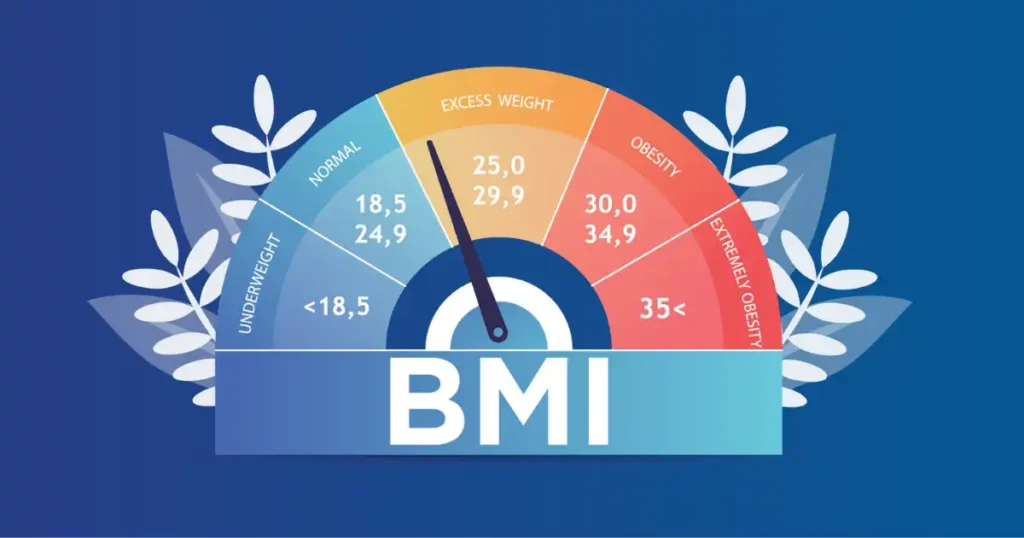
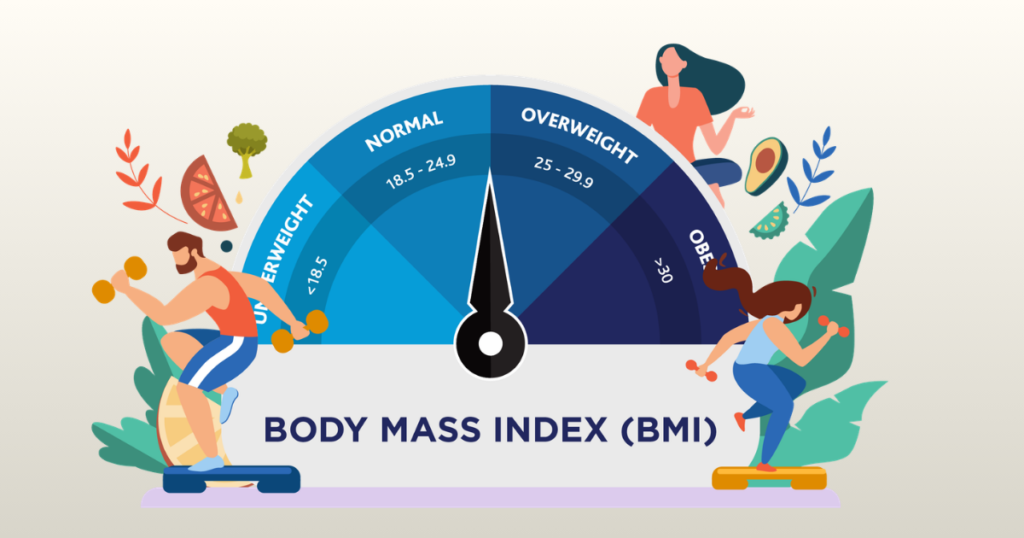
Underweight, healthy weight, overweight, and obesity ranges should use plain words. Color coded results help a visitor read their number fast. Nobody should feel judged by the result screen.
Additional Health Metrics
BMI alone rarely satisfies today’s users. The best platforms also offer a BMR calculator for resting metabolism. They offer a TDEE calculator for daily energy needs. They offer a daily calorie intake calculator for goal setting. A BMI calculator with body fat percentage feature adds even more value. Body composition tells a fuller story than weight alone.
Mobile Responsiveness
Most visitors open the calculator on a phone. They might be in a waiting room or on a lunch break. If the layout breaks on mobile, you lose that lead fast. I always test the smallest screen size first. A tool that works there will work everywhere else too.
Privacy and Security Standards
Health data needs real, visible protection. Look for HTTPS encryption and clear GDPR support. Ask how the vendor handles HIPAA rules for your use case. Ask who owns the data your visitors submit before you sign anything.
Accessibility Considerations
A calculator should work for every visitor, not just the average one. Check for screen reader support and clear color contrast. Look for large enough tap targets for users with limited motor control. A platform that ignores accessibility quietly shuts out a real part of your audience.
Localization and Multi Language Support
Many US clinics now serve visitors who prefer a language other than English. A platform that offers built in translations saves your team from a clunky manual workaround. Even a simple toggle between English and Spanish can widen your reach in many parts of the country.
Best White Label BMI Calculator Platforms Compared
I have tested the platforms below with real clinic and coaching clients. Here is how they compare.
| Platform | Best For | White Label | Mobile App | Enterprise Ready |
|---|---|---|---|---|
| Suggestic | Wellness startups | Yes | Yes | Yes |
| dacadoo | Large organizations | Yes | Yes | Yes |
| AddDietTracking | Coaches and clinics | Yes | Yes | Limited |
| Custom BMI SaaS | Startups with dev teams | Yes | Optional | Optional |
Suggestic
Suggestic blends nutrition coaching with white label tools. It includes telehealth support and a full mobile app. This makes it a fit for startups that want a full patient experience. Some smaller clinics may find a few features go unused.
dacadoo
dacadoo targets large organizations, not solo practices. Insurers and corporate wellness programs use its broader health score. That score goes well past a basic BMI number.
AddDietTracking
AddDietTracking focuses on diet tracking with custom branding on top. Dietitians and small clinics like its meal planning add ons. Its enterprise support is more limited than the two platforms above.
Custom BMI SaaS Solutions
If your brand needs full design control, a custom built tool may fit better. This route costs more upfront. It removes nearly every limit on branding and data control. For more detail, see this professional BMI calculator vs free tools comparison.
How I Evaluate a White Label BMI Calculator
I run every platform through three quick tests. You can run these same tests in under an hour.
The Branding Flexibility Test
I upload a real logo. I try to match an actual brand color palette. If the tool fights me at every step, that tells me a lot. It tells me the platform was not built for real customization.
The Mobile Experience Test
I open the calculator on three phone sizes. A tool that looks great on a laptop but breaks on a small screen will quietly cost you leads. It will do this every single day it stays live.
The Lead Capture Test
I complete the calculator as a fake visitor. Then I watch what happens to that lead. Does it land in an inbox? Does it sync to a CRM? This one test has cut more platforms from my list than any pricing page ever has.
Essential Customization Options to Look For
Small design choices often decide if a visitor finishes the form.
Branding Elements
Logo placement, brand colors, fonts, and button styles all need to match your site. A mismatched calculator feels like a separate, less trusted product.
Custom Reports
A personal PDF report that a visitor can keep tends to boost results. People like having something real to hold onto before a call.
Domain Options
Most platforms let you pick a path like healthbrand.com slash bmi. Some offer a subdomain like calculator.brandname.com instead. Either choice keeps the visitor inside your brand.
Personalized Recommendations
Calorie targets, weight goals, and simple advice after the result keep visitors engaged. A few platforms even suggest a consultation right inside the report.
API and Integration Features That Matter
A modern white label tool should fit the software you already use. It should not force your team to start over.
CRM Integrations
Look for native links to HubSpot, Salesforce, or ActiveCampaign. This sends every lead straight into your sales pipeline. Nobody has to retype a single field.
Marketing Automation
Email sequences, lead scoring, and follow up campaigns save your team real hours each week. A tool that grabs an email but never follows up wastes most of its value.
Analytics and Tracking
Conversion tracking and completion rates show you what is working. I check this data each month. I adjust copy or design based on what it shows.
What Implementation Actually Looks Like
Clients often expect a long rollout. Most white label setups move faster than that.
In week one, you gather your logo, colors, and a short feature list. In week two, the vendor builds your branded version. They connect it to your domain. In week three, you test the lead flow into your CRM. You fix anything that looks off. By week four, most clinics are live and collecting their first real leads.
The biggest delay I see is rarely technical. It usually comes from a team waiting too long to send brand assets. Start that part early, and the rest moves fast.
Training Your Front Desk or Sales Team
A new tool only helps if your team knows it exists. Show your front desk staff where leads land. Show your sales team how to read a completed report before a call. A five minute walkthrough on launch day saves confusion later. I always schedule a short check in call two weeks after launch, just to catch any small gaps early.
Real World Example: How One Clinic Used a Branded BMI Calculator
A nutrition clinic I worked with in Denver, Colorado added a branded BMI calculator to its homepage on an ordinary Tuesday morning. Nothing about it felt dramatic at the time. The team simply swapped a plain contact form for a branded tool with their own logo and colors.
Within three months, the clinic saw more bookings and higher email signups. The owner shared one simple thing with me. Visitors liked seeing their own results before they ever spoke with a coach.
The front desk phone still rang all day. The coffee machine still hummed in the lobby. Yet most new clients had already finished the BMI check on their phone before they walked in. That single page had started the talk before the first handshake.
Who Should Avoid a White Label BMI Calculator
I like to give honest advice, even when it points away from a sale. If you run a small personal blog with low traffic, a full white label tool may cost more than it returns right now. A free widget might serve you better until your traffic grows. The same goes for a solo coach still testing the idea. Start simple. Prove the concept works. Then upgrade once the numbers back you up. There is no shame in starting small and growing into a bigger platform later.
Red Flags to Watch for During a Vendor Demo
A sales demo always shows the best side of a product. A few warning signs still slip through if you watch closely.
Be careful if a vendor cannot show real branding changes live on the call. A canned video is not the same as a true test. Be careful if pricing stays vague after you ask direct questions. Clear vendors give clear numbers. Be careful if nobody can explain how leads leave the platform and reach your inbox or CRM. That gap often means a manual export process waits for you later, and manual work tends to pile up fast once your lead volume grows.
Trust your gut here. If a vendor dodges a simple question twice, picture how support will feel six months into a contract.
Common Mistakes When Choosing a White Label BMI Calculator
I see the same few mistakes again and again.
Choosing Price Over Features
Cheap tools often skip real customization. A low fee can cost you far more in lost leads over a year.
Ignoring Mobile Users
More than half of visitors check tools on a phone. A desktop only tool quietly loses most of that crowd.
Missing Privacy Compliance
Health data demands real trust. A vendor that cannot explain its privacy steps in plain words is not worth the risk.
Offering Only BMI
Users now expect more than one number. They want calories, BMR, body fat, and weight goals too. Clinic forums I follow show real frustration with tools that show a number and stop there.
White Label BMI Calculator Pricing Explained
Pricing varies more than most buyers expect. Learn the model before you sign a contract.
| Pricing Model | Typical Cost | Best For |
|---|---|---|
| Monthly SaaS | 20 to 300 dollars per month | Small clinics and coaches |
| Enterprise licensing | Custom quote | Large organizations |
| API usage | Pay per request | Developers and tech teams |
| Custom development | 2,000 to 20,000 plus dollars | Startups needing full control |
I tell smaller practices to start with a monthly plan. You can always upgrade once the calculator proves it drives real bookings. If you are unsure your current tool still fits, read this guide on when to upgrade from a BMI calculator.
Compliance and Data Security Considerations for US Health Brands
Health data carries more weight than a newsletter signup. US clinics need to treat it that way from day one. If your business counts as a covered entity under HIPAA, ask your vendor if they will sign a business associate agreement. This one question filters out many vendors fast, since plenty were never built with health rules in mind.
Beyond HIPAA, ask where the data lives. Some platforms store data on US servers. Others route it through systems abroad with different rules. Ask plain questions about encryption and how long visitor data stays on file. A vendor that dodges these questions is rarely worth the risk.
I also keep a simple log of which calculator version is live and when it changed. That small habit saves real time if a compliance question ever comes up later. It also helps a new team member understand the page’s history without digging through old emails.
Future Trends in White Label Health Calculators
The market keeps shifting. The platforms that win next year are building toward these trends right now.
AI Powered Recommendations
Custom health tips based on a full profile, not just one number, are becoming the norm. They are no longer a rare premium feature.
Wearable Integrations
Links to Fitbit, Apple Health, and Garmin let a tool pull in real activity data. This makes the result far more useful than height and weight alone.
Multi Metric Assessments
BMI alone no longer satisfies most users. Expect more tools to bundle body fat, BMR, and calorie needs by default. See our best alternatives to a BMI calculator for more on this shift.
Expert Advice for Choosing the Right Platform
After years of helping clinics pick these tools, my advice stays the same. Choose a platform that solves tomorrow’s problem, not just today’s. A tool that fits now but cannot grow will force a hard switch later. That switch often hits right when your lead volume starts to climb.
Before you commit, ask these questions out loud on your demo call.
- Can the platform grow with my business?
- Does it support the tools my team already uses?
- How flexible is the branding once you go past the demo?
- Who owns the data once a visitor submits it?
- How fast does support reply when something breaks?
I also suggest comparing finalists with our best professional BMI calculator tools roundup. It scores each platform on these same points.
A Lesson From My First White Label Rollout
My first rollout did not go perfectly, and I think that story helps more than a polished one would. I picked a platform based on price alone. The branding looked close enough on a desktop screen. Nobody on the team checked it on a phone before launch.
Within a week, a client called to say the buttons overlapped on her iPhone. We fixed it fast, but the early leads from that week were already lost. That single mistake taught me to test every device before any tool goes live, not after.
I share this because guides like this one often skip the messy parts. Real rollouts have small hiccups. What matters is catching them early and fixing them without panic. Every clinic I help now gets the same advice. Test small, fix fast, and never launch on a Friday afternoon when nobody is around to catch a problem.
How to Measure ROI on a Branded BMI Calculator
Once your tool is live, the real work starts. I track four numbers from week one. First, the completion rate. This means how many visitors finish the form. Second, the lead capture rate. This means how many leave an email behind. Third, the booking rate. This means how many book a call. Fourth, the cost per booking, found by dividing your monthly fee by that number.
Here is a simple example. Say your platform costs 150 dollars a month. Say it brings ten booked calls. Your cost per booking sits at 15 dollars. Compare that to what you pay for leads through ads. The value often becomes clear fast. Most clinics I work with find this tool becomes one of their cheapest lead sources within a quarter.
How This Tool Fits Into Your Wider Marketing Funnel
A BMI calculator rarely works alone. It works best as one clear step inside a bigger funnel. Place a link to it on your homepage, in your email signature, and inside any paid ad that targets new visitors. Once a visitor finishes the calculator, send them straight to a booking page or a short welcome email.
Think of the calculator as a bridge. It moves a stranger from curious visitor to warm lead in under two minutes. The brands that get the most value treat this bridge with care. They test new headlines above the calculator. They test different offers after the result screen. Small changes here often move the needle more than a full website redesign would.
Checklist Before You Buy a White Label BMI Calculator
Must Have Features
- White label branding
- Mobile friendly design
- Multiple measurement units
- Strong data privacy
- Custom reports
- API access
- Lead generation tools
- Analytics dashboard
Nice to Have Features
- AI coaching suggestions
- Wearable integration
- Downloadable PDF reports
- Multi language support
- Body composition tools
Final Recommendation
If I had to pick one path for most clinics today, I would start with strong branding, solid mobile design, and real lead tools. This holds true even if it costs a bit more than the cheapest plan. Suggestic fits startups that want nutrition features bundled in. dacadoo fits large groups and insurers that need real scale. AddDietTracking fits dietitians who want meal planning next to the calculator. A custom build makes sense once you have outgrown template tools.
Whatever you pick, treat the calculator like a real part of your funnel. Do not set it and forget it. Track it each month. Update its look when your site changes. Check it against a BMI calculator vs pro version upgrade path every year or two. Vendors add new features all the time. The clinics I see growing fastest treat their calculator like their homepage. It is a living asset that earns its place.
For more guides like this one, browse our full library of health calculators. You can also see how a BMI calculator app vs website choice might shape your setup. Read more on how we test these tools on our about us page. If you take one thing from this guide, let it be this. The best white label BMI calculator is the one your team actually uses, updates, and trusts, not the one with the longest feature list.
Frequently Asked Questions
What is a white label BMI calculator?
A white label BMI calculator is a branded BMI tool. You add your own logo, colors, and domain to it. Visitors never see a third party name.
Who needs a white label BMI calculator?
Clinics, dietitians, coaches, and wellness startups use them most. They build trust and capture leads in one simple step.
Can a BMI calculator generate leads?
Yes. Many businesses collect emails and consultation requests right on the results page.
Is BMI alone enough for a health check?
No. Most modern tools now add body fat, calorie needs, and weight goals too.
How much does a white label BMI calculator cost?
Prices start around 20 dollars a month for small plans. Larger firms pay custom enterprise rates.
Can I add my own branding to these tools?
Yes. Most tools let you control logos, colors, domains, and reports with no developer needed.
How long does setup take?
Most clinics go live within two to four weeks. This assumes brand assets are ready early.
Does a white label BMI calculator work for telehealth?
Yes. Telehealth brands often place it early in intake. It gives a provider useful data before the first visit.
Will a white label calculator slow down my website?
It should not, if the vendor builds it well. Ask for a page speed test before you sign, since a slow tool can hurt both leads and search rankings.
Can I switch vendors later without losing my data?
In most cases, yes. Ask each vendor about data export options before you sign, so you are never locked in if you decide to switch later.
What is the best white label BMI calculator platform overall?
The right pick depends on your size and goals. See this best BMI calculator compared guide for a full breakdown on branding, price, and integrations.

Shakitul Alam is the CEO, Owner, and Co-founder of BMI Calculator Women AI. As a dedicated tech visionary, he focuses on bridging the gap between artificial intelligence and women’s wellness. Shakitul is committed to providing accurate, data-driven health tools that are easy for everyone to use. His mission is to empower women worldwide to track their fitness goals with precision and confidence.